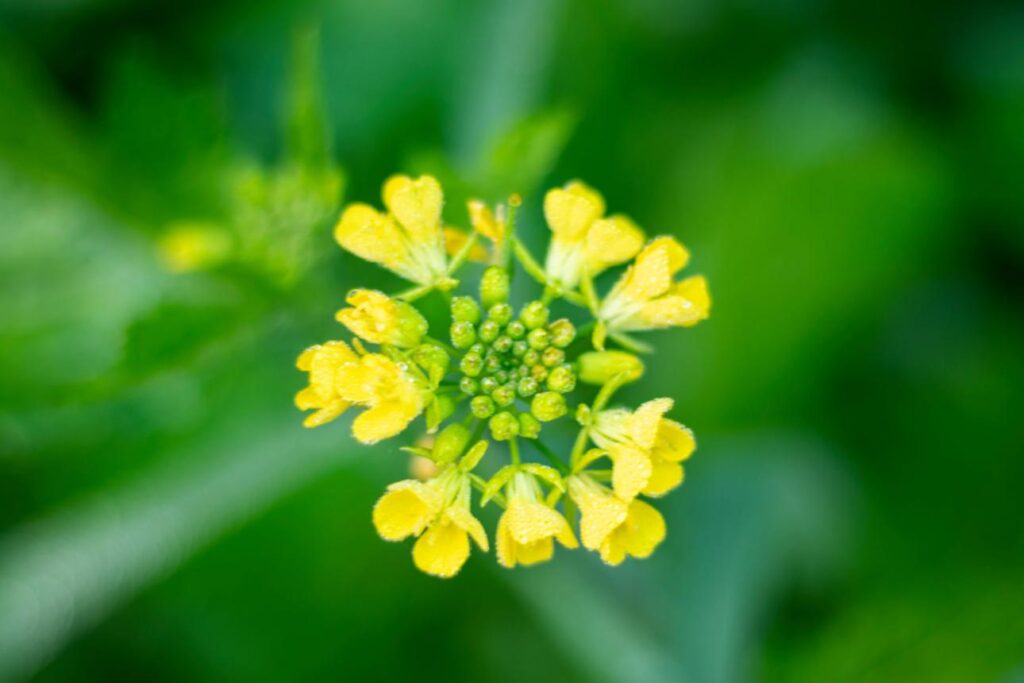
How to Grow Mustard Greens & Mustard Seed
General Information
| Botanical Name: | Brassica juncea, Brassica nigra, Brassica alba |
| Common Names: | Mustard Greens, Mustard Seed, Brown Mustard, Black Mustard, White Mustard, Yellow Mustard |
| Plant Family: | Brassicaceae |
| Type: | Annual; Culinary/Medicinal/Aromatic; Cool season |
| Our Favorite Varieties: | Southern Giant Curled, Red Giant, Florida Broadleaf, Tendergreen, Brown Mustard, Yellow Mustard |
Know Before You Grow
| Growing Zones: | 2–11 |
| Frost Hardy: | Yes |
| Heat Tolerant: | No |
| Stratification: | No |
| Rows, Beds, Containers: | Rows, beds, and containers all work well |
Starting from Seed
| When: | Not Recommended. Should be Direct Sown Only. |
Row, Bed, Container Prep
| Soil: | Loose, fertile, well-draining soil rich in organic matter |
| pH: | 6.0–7.5 |
| Soil Depth or Pot Size: | 6–8 inches deep minimum for greens; containers at least 8–10 inches deep |
| Trellis: | no |
| Fertilizer/Feed: | Mix a balanced fertilizer such as 5-5-5 into the soil before planting; side dress lightly once plants are established if growing for greens |
| Compost: | Mix 1–2 inches of finished compost into the top several inches before planting |
Transplanting/Up Potting
| When: | Not Recommended. Direct Sow where it will grow only. |
Direct Sowing
| When: | Sow 2–4 weeks before last frost in spring or 6–8 weeks before first frost in fall |
| Depth: | ¼–½ inch |
| Spacing: | Thin to 6–8 inches for greens; 10–12 inches for seed production |
| Water: | Keep evenly moist |
| Light: | Full sun to partial shade |
| # in Sq. Ft. Planting: | 4 plants per square foot for greens; 1 plant per square foot for seed production |
Growing Care
| Fertilizer/Feed: | Feed lightly once plants are established if leaf growth is slow; do not overfeed if growing for seed |
| Days to Maturity: | 30–50 days for baby greens; 45–70 days for full greens; 90–120 days for seed |
| Water: | About 1 inch per week; more in dry weather |
| Pruning/Harvesting: | Pick outer leaves for continued greens production; if growing for seed, stop harvesting leaves and let plants flower and set pods |
| Mulching: | Use a light layer to keep soil cool and reduce weeds |
| Pollination: | Insect pollinated; bees help improve seed set |
Companions & Antagonists
| Plant Family: | Antagonists: |
| Lettuce | Other brassicas |
| Spinach | – |
| Onions | – |
| Beets | – |
| Dill | – |
| Chamomile | – |
Attracts & Repels
| Attracts: | Repels: |
| Bees, pollinators, beneficial insects | Can help distract some pest insects as a trap crop, but does not reliably repel major pests on its own |
Pests & Disease
| Pests: | Disease: |
| Aphids | Downy Mildew |
| Flea Beetles | Powdery Mildew |
| Cabbage Worms | Clubroot |
| Harlequin Bugs | Leaf Spot |
Seed Saving
| When: | When seed pods dry and turn tan to brown on the plant |
| Method: | Cut stalks, dry fully, then crush pods and separate out seeds; store only fully dry seed |
Harvest Time
| When: | Harvest greens young for mild flavor or later for larger leaves; harvest seed when pods are dry and brown |
| How: | Cut outer leaves as needed or pull whole plant; cut seed stalks and finish drying if needed |
| What: | Leaves and seeds |
| Storing: | Greens refrigerate short term; seeds store dry in airtight containers |
| Preservation Methods: | Greens can be frozen after blanching; seeds are dried for storage |
Medicinal Uses:
| Traditionally Used for: | Digestion, circulation, warming support, chest rubs and poultices |
| Forms: | Seeds, tea, poultice, plaster, foot soak |
| Dosage or Application: | Tea: 1 teaspoon crushed seed per cup; Seeds: used in small amounts in food or preparations; Poultice/Plaster: apply externally as needed with caution because it can irritate skin |
| NOTICE: | This information is based on historical/traditional fact. It is for educational purposes only. Lowe Bridges Farm will not be held liable for your use of this information. Your use of this information and the results thereof is your responsibility, and yours alone. |
Culinary Uses:
| Flavor Profile: | Greens are peppery and sharp; seeds are pungent, warming, and spicy |
| Best Used In: | Cooked greens, stir fries, soups, pickles, spice blends, homemade mustard |
| Forms: | Fresh greens, cooked greens, whole seed, crushed seed, ground seed |
As an Aromatic:
| Used for: | Sharp, spicy scent in seed form |
| How: | Crushed seeds in spice blends and pantry mixes |
Troubleshooting
| Bitter Greens: | Weather too hot or plants too old |
| Poor Germination: | Soil too dry or too hot |
| Holey Leaves: | Flea beetles or cabbage worms |
| Weak Seed Set: | Not enough growing time or too much leaf harvesting |
| Yellowing Leaves: | Overwatering, poor drainage, or nitrogen deficiency |