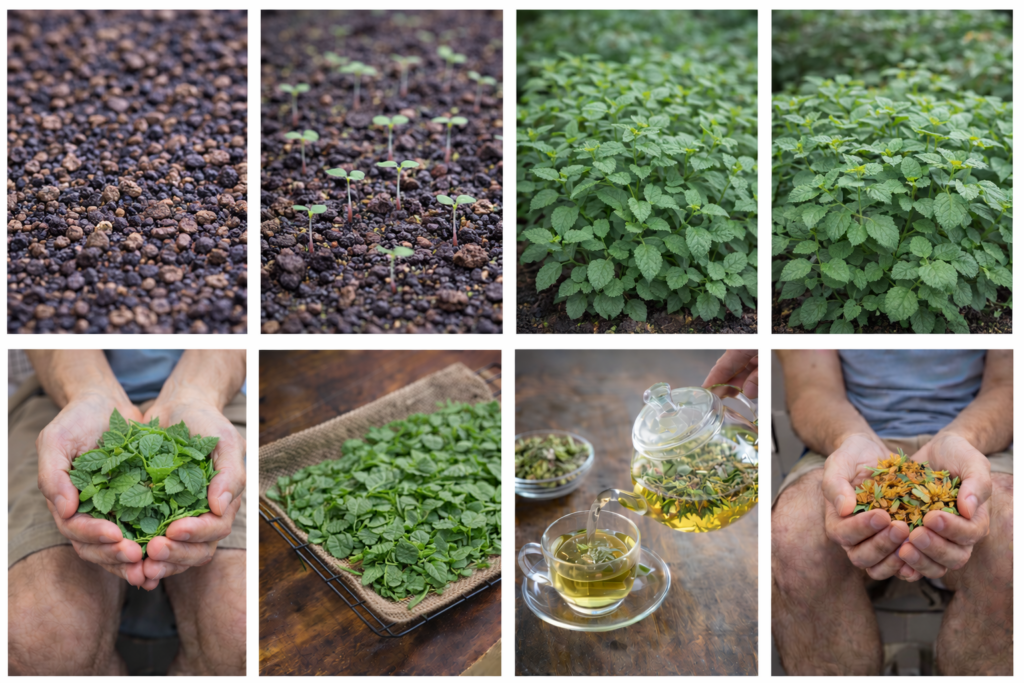
How to Grow Lemon Balm
Lemon balm grows well in rich soil amended with compost and benefits from balanced fertilizer applications. It also attracts pollinators and can be used in teas and herbal preparations.
General Information
Know Before You Grow
| Growing Zones: | 4 – 9 |
| Frost Hardy: | Yes |
| Heat Tolerant: | Moderate |
| Stratification: | No |
| Rows, Beds, Containers: | Yes to all three |
Starting from Seed
| When: | Start indoors 6–8 weeks before last frost, or direct sow after frost danger passes |
| Soil: | Seed Starting Mix |
| Depth: | Barely cover seed |
| Water: | Keep evenly moist |
| Germination: | 7–14 days |
| Up Pot: | After true leaves appear |
| Light: | 12–16 hours per day |
| Soil Temperature: | 65–70°F |
| Heat Mat: | Optional |
| Harden Off: | Yes |
Row, Bed, Container Prep
| Soil: | Well-drained, average soil |
| pH: | 6.0–7.5 |
| Soil Depth or Pot Size: | 8–12 inches deep or a 10–12 inch pot |
| Trellis: | no |
| Fertilizer/Feed: | Mix a small amount of balanced fertilizer into the soil before planting. A general fertilizer like 5-5-5 or 10-10-10 works well. Use it lightly, because too much fertilizer can make lemon balm grow fast but weaker in flavor. |
| Compost: | Mix 1–2 inches of finished compost into the top several inches of soil before planting. In containers, blend compost into the potting mix at about 10–20% of the total volume. |
Transplanting/Up Potting
| When: | After danger of hard frost |
| How: | Plant gently at the same level it was growing before |
| Depth: | Same depth as original container |
| Spacing: | 18–24 inches |
| Water: | Water deeply right after planting |
| Mulch: | Add 1–2 inches of mulch around the plant, but keep it pulled back from the stem |
Direct Sowing
| When: | After frost danger passes |
| Depth: | Barely cover seed |
| Spacing: | Thin to 18–24 inches |
| Water: | Keep evenly moist until established |
| Light: | Full sun to part shade |
| # in Sq. Ft. Planting: | 1 Per Square Foot |
Growing Care
| Fertilizer/Feed: | Feed lightly. If growth slows or leaves start looking pale, give it a light side dressing of compost or a half-strength balanced liquid fertilizer about once a month during active growth. Do not overfeed. |
| Days to Maturity: | 70–90 days |
| Water: | Give about 1 inch of water per week, more during very hot or dry weather. Keep soil evenly moist but not soggy. |
| Pruning/Harvesting: | Pinch and trim often to keep the plant bushy and productive. Cut back flower stalks if you want more leaf growth. |
| Mulching: | Use 1–2 inches of mulch to help hold moisture and reduce weeds |
| Pollination: | Not needed for leaf production |
Companions & Antagonists
| Plant Family: | Antagonists: |
| Chamomile | None |
| Dill | – |
| Parsley | – |
| Basil | – |
Attracts & Repels
| Attracts: | Repels: |
| Bees, butterflies | Mosquitoes |
Pests & Disease
| Pests: | Disease: |
| Aphids | Powdery Mildew |
| Spider Mites | Root Rot |
| – | Leaf Spot |
Seed Saving
| When: | After seed heads dry on the plant |
| Method: | Let seed heads dry fully, collect them, and store the seed in a cool, dry place |
Harvest Time
| When: | Once plants are well established, before flowering for best flavor |
| How: | Snip stems or pick leaves |
| What: | Leaves and tender stems |
| Storing: | Use fresh or dry thoroughly before storing in an airtight container |
| Preservation Methods: | Drying, freezing, tinctures, syrups, vinegars |
Medicinal Uses:
| Traditionally Used for: | Stress, restlessness, mild digestive upset, sleep support |
| Forms: | Tea, tincture, syrup, vinegar, glycerite |
| Dosage or Application: | Tea: 1.5–4.5 g dried leaf per cup, up to 3 times daily. Tincture: 2–6 mL, 1–3 times daily. Liquid Extract: 2–4 mL, 3 times daily. |
| NOTICE: | This information is based on historical/traditional fact. It is for educational purposes only. Lowe Bridges Farm will not be held liable for your use of this information. Your use of this information and the results thereof is your responsibility, and yours alone. |
Culinary Uses:
| Flavor Profile: | Mild, lemony, fresh |
| Best Used In: | Teas, salads, desserts, syrups, summer drinks |
| Forms: | Fresh, dried, infused |
As an Aromatic:
| Used for: | Calming, fresh lemon scent |
| How: | Sachets, bath blends, potpourri, infused products |
Troubleshooting
| Leggy Growth | Trim Often |
| Mildew | Improve Airflow |
| Spreading Too Much | Grow in containers or deadhead |
| Weak flavor | Harvest Younger Leaves |
| Wet roots | Improve drainage |