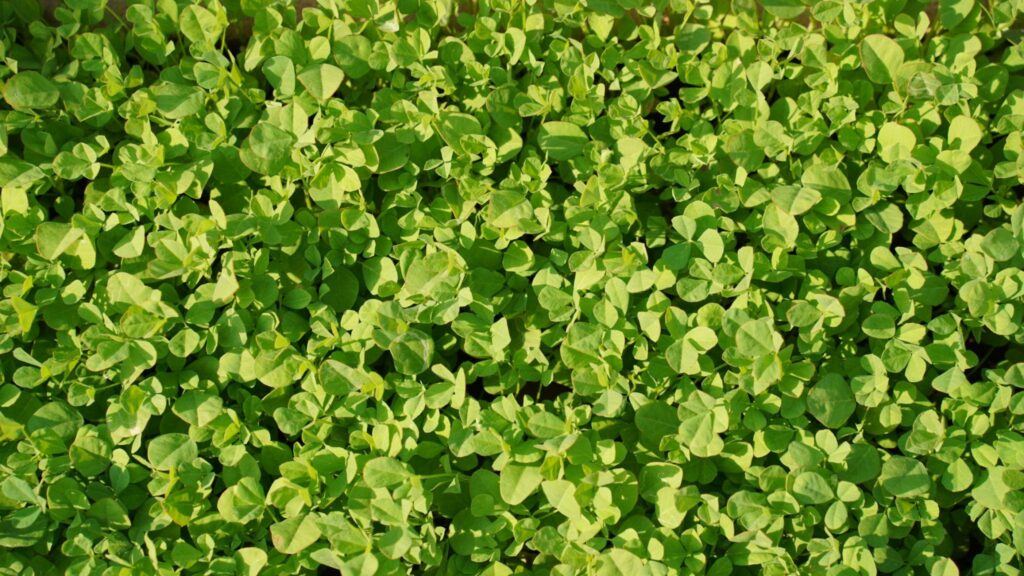
How to Grow Fenugreek

General Information
Botanical Name: Trigonella foenum-graecum
Common Names: Fenugreek, Methi
Plant Family: Fabaceae
Type: Annual; Culinary/Medicinal/Aromatic; Cool season
Our Favorite Varieties: Common Fenugreek, Methi, Kasuri Methi
Know Before You Grow
Growing Zones: 2–11
Frost Hardy: Light frost only
Heat Tolerant: Moderate (bolts in high heat)
Stratification: no
Rows, Beds, Containers: Rows, beds, and containers all work well
Starting from Seed
When: Direct sow only, where you intend for the plant to grow. Fenugreek does not like to be transplanted.
Row, Bed, Container Prep
Soil: Loose, well-draining soil; does not require rich soil
pH: 6.0–7.0
Soil Depth or Pot Size: 6–8 inches deep minimum; containers at least 8 inches deep
Trellis: no
Fertilizer/Feed: Very light feeder; usually no fertilizer needed; a small amount of balanced fertilizer like 5-5-5 can be mixed in before planting if soil is poor
Compost: Mix 1 inch into soil if needed, but do not over-enrich
Transplanting/Up Potting
When: Not recommended. Direct sow only.
Direct Sowing
When: Early spring and again in fall
Depth: ¼–½ inch
Spacing: Thin to 4–6 inches apart
Water: Keep evenly moist
Light: Full sun to partial shade
# in Sq. Ft. Planting: 6–9 plants per square foot
Growing Care
Fertilizer/Feed: Usually none needed; too much fertilizer reduces flavor and seed production
Days to Maturity: 20–30 days for leaves; 90–110 days for seed
Water: About 1 inch per week; avoid letting soil fully dry out
Pruning/Harvesting: Cut leaves young for greens; allow plants to fully mature and dry for seed production
Mulching: Use a light layer if needed to hold moisture and reduce weeds
Pollination: Self-pollinating; insects help improve seed set
Companions & Antagonists
Plant Family: Antagonists:
Beans None
Peas –
Leafy Greens –
Most Vegetables –
Attracts & Repels
Attracts: Repels:
Bees and beneficial insects Some soil pests lightly due to its scent and root activity
Pests & Disease
Pests: Disease:
Aphids Root rot in poorly drained soil
Spider Mites Powdery Mildew
Seed Saving
When: When pods turn yellow to brown and dry on the plant
Method: Harvest whole plants or pods, dry completely, then shell seeds and store dry
Harvest Time
When: Harvest leaves early; harvest seeds when pods are fully dry
How: Cut leaves or pull whole plants for seed harvest
What: Leaves and seeds
Storing: Fresh leaves refrigerated short term; seeds stored dry
Preservation Methods: Drying seeds, drying leaves
Medicinal Uses:
Traditionally Used for: Digestion, blood sugar support, milk production support, inflammation support
Forms: Seeds, tea, powder, poultice
Dosage or Application: Tea: 1 teaspoon seeds per cup; Seeds: used in food or soaked; Powder: ¼–1 teaspoon; Poultice: apply externally as needed
NOTICE: This information is based on historical/traditional fact. It is for educational purposes only. Lowe Bridges Farm will not be held liable for your use of this information. Your use of this information and the results thereof is your responsibility, and yours alone.
Culinary Uses:
Flavor Profile: Slightly bitter, nutty, maple-like aroma
Best Used In: Curries, spice blends, breads, teas
Forms: Fresh leaves, dried leaves, whole seed, ground seed
As an Aromatic:
Used for: Warm, slightly sweet and maple-like scent
How: Dried leaves and seeds in blends
Troubleshooting
Poor Growth: Soil too wet or poorly drained
Weak Flavor: Over-fertilized
Poor Seed Set: Not enough time to mature
Yellowing Leaves Overwatering or poor drainage
  • Home
  • Down on the Farm
  • How to Grow…
  • The Apothecary
  • Our Stores

Homesteader’s Creed


Use it up, Wear it out
Make it do...
Or do without!

Homesteading Defined…

A lifestyle of self-sufficiency and sustainability, characterized by food production and preservation, knowing or learning new skills to become less dependent on outside sources. Homesteading can be done anywhere, at any age, by anybody who wants a simpler way of life…

Follow Us


  • Facebook
  • Instagram
  • Pinterest
  • TikTok
  • X
  • YouTube
  • LinkedIn

Inspiration


From Philippians, Chapter 4:

6 Do not be anxious about anything, but in every situation, by prayer and petition, with thanksgiving, present your requests to God.7 And the peace of God, which transcends all understanding, will guard your hearts and your minds in Christ Jesus”

Resources


  • USDA
  • NIFA
  • Farmers
  • Our Printables
  • Territorial Seed Co.
  • Privacy Policy
  • Terms of Use
  • Disclaimer
  • Cookie Policy

Copyright © 2026 by Lowe Bridges Farm


×

Log In

Forgot Password?

Not registered yet? Create an Account