How to Grow Cayenne Peppers
General Information
| Botanical Name: | Capsicum annuum |
| Common Names: | Cayenne Pepper, Cayenne, Red Pepper, Chili Pepper |
| Plant Family: | Solanaceae |
| Type: | Annual; Culinary/Medicinal/Aromatic; Warm season |
| Our Favorite Varieties: | Long Slim Cayenne, Red Ember, Ring of Fire, Golden Cayenne |
Know Before You Grow
| Growing Zones: | 3–11 |
| Frost Hardy: | No |
| Heat Tolerant: | Yes |
| Stratification: | No |
| Rows, Beds, Containers: | Rows, beds, and containers all work well |
Starting from Seed
| When: | Start indoors 8–10 weeks before last frost |
| Soil: | Seed StartingWell-draining seed starting mix Mix |
| Depth: | ¼ inch |
| Water: | Keep evenly moist, not soggy |
| Germination: | 7–21 days |
| Up Pot: | When seedlings have 2–3 sets of true leaves |
| Light: | 14–16 hours bright light |
| Soil Temperature: | 75–85°F |
| Heat Mat: | Recommended |
| Harden Off: | 7–10 days |
Row, Bed, Container Prep
| Soil: | Loose, fertile, well-draining soil |
| pH: | 6.0–6.8 |
| Soil Depth or Pot Size: | 10–12 inches deep minimum; containers at least 12 inches deep and 12–14 inches wide |
| Trellis: | Optional; small cage or stake helps support heavy plants |
| Fertilizer/Feed: | Mix balanced fertilizer such as 5-5-5 or 10-10-10 into soil before planting; feed lightly every 3–4 weeks during fruiting |
| Compost: | Mix 2–3 inches of finished compost into soil before planting |
Transplanting/Up Potting
| When: | After last frost when nights stay above 55°F and soil is warm |
| How: | Transplant carefully without disturbing roots |
| Depth: | Same depth as original container |
| Spacing: | 18–24 inches apart |
| Water: | Water deeply after transplanting |
| Mulch: | Add 1–2 inches of mulch after soil warms |
Direct Sowing
| When: | Not recommended unless the season is very long and soil is warm |
| Depth: | ¼ inch |
| Spacing: | 18–24 inches |
| Water: | Keep evenly moist until established |
| Light: | Full sun |
| # in Sq. Ft. Planting: | 1 plant per square foot |
Growing Care
| Fertilizer/Feed: | Feed lightly and regularly once plants begin flowering; too much nitrogen gives leaves instead of peppers |
| Days to Maturity: | 70–90 days green; 90–110 days red |
| Water: | About 1–1.5 inches per week; keep moisture even during flowering and fruiting |
| Pruning/Harvesting: | Harvest ripe red peppers regularly to keep plants producing |
| Mulching: | After the soil has warmed, add 1–2 inches of straw, shredded leaves, untreated grass clippings, or fine wood mulch around the plants. Keep mulch 2–3 inches away from the stem. Mulch helps reduce moisture swings, keeps weeds down, and protects shallow roots during hot weather. |
| Pollination: | Self-pollinating; wind and insects help improve fruit set |
Companions & Antagonists
| Plant Family: | Antagonists: |
| Basil | Fennel…everyone in the garden hates fennel. |
| Onion | – |
| Carrot | – |
| Tomato | – |
| Oregano | – |
Attracts & Repels
| Attracts: | Repels: |
| Bees and pollinators | No strong garden repellent effect from the plant; dried cayenne is sometimes used in pest-deterrent sprays |
Pests & Disease
| Pests: | Disease: |
| Aphids | Blossom End Rot |
| Spider Mites | Bacterial Spot |
| Flea Beetles | Leaf Spot |
| Hornworms | Root Rot |
| Pepper Weevils | – |
Seed Saving
| When: | When peppers are fully ripe and red |
| Method: | Cut open ripe peppers, remove seeds, dry completely, and store in a cool, dry place; wear gloves when handling hot peppers |
Harvest Time
| When: | Harvest when peppers are fully red for strongest heat and best dried spice |
| How: | Cut peppers from the plant with scissors or pruners |
| What: | Fruits |
| Storing: | Fresh peppers store short term in the refrigerator |
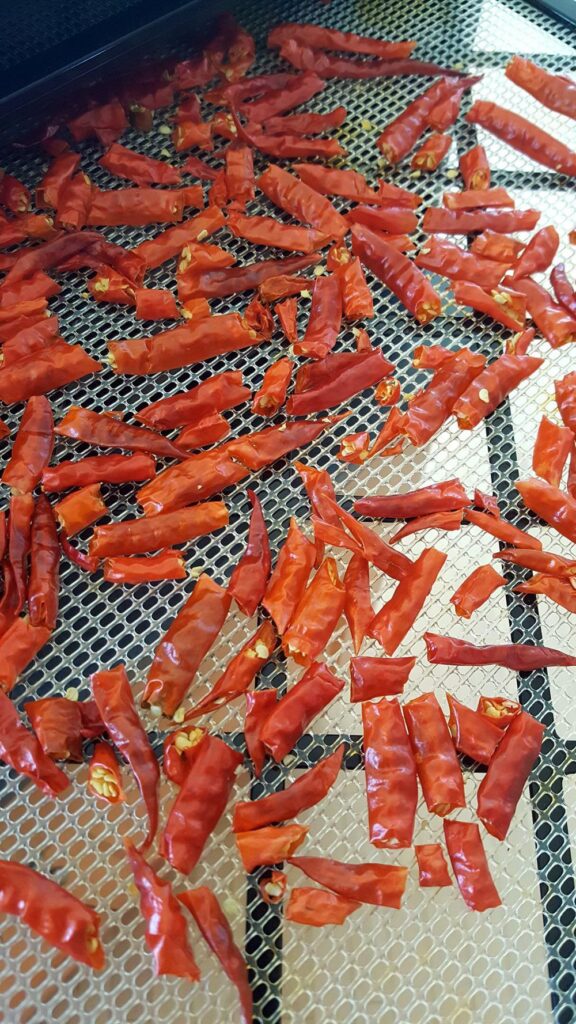
| Preservation Methods: | Drying, grinding into powder, freezing, vinegar, hot sauce |
Medicinal Uses:
| Traditionally Used for: | Circulation support, warming support, muscle and joint discomfort, digestion |
| Forms: | Powder, tincture, infused oil, salve, balm |
| Dosage or Application: | Food: use in small amounts; Tea: a pinch in warm water or blends; Tincture: 5–15 drops; Topical: use very diluted and avoid eyes, broken skin, and sensitive areas |
| NOTICE: | This information is based on historical/traditional fact. It is for educational purposes only. Lowe Bridges Farm will not be held liable for your use of this information. Your use of this information and the results thereof is your responsibility, and yours alone. |
Culinary Uses:
| Flavor Profile: | Hot, sharp, pungent, slightly earthy |
| Best Used In: | Hot sauces, spice blends, soups, stews, beans, meats, marinades |
| Forms: | Fresh, dried, crushed, powdered, infused vinegar |
As an Aromatic:
| Used for: | Sharp warming scent in spice blends |
| How: | Dried pepper, crushed flakes, or powder |
Troubleshooting
| Poor Fruiting: | Too much nitrogen, not enough sun, or poor pollination |
| Blossom End Rot: | Inconsistent watering or calcium uptake problem |
| Slow Growth: | Soil too cool |
| Sunscald: | Fruit exposed to intense sun after leaf loss |
| Weak Heat: | Harvested too early or grown with too much water near harvest |