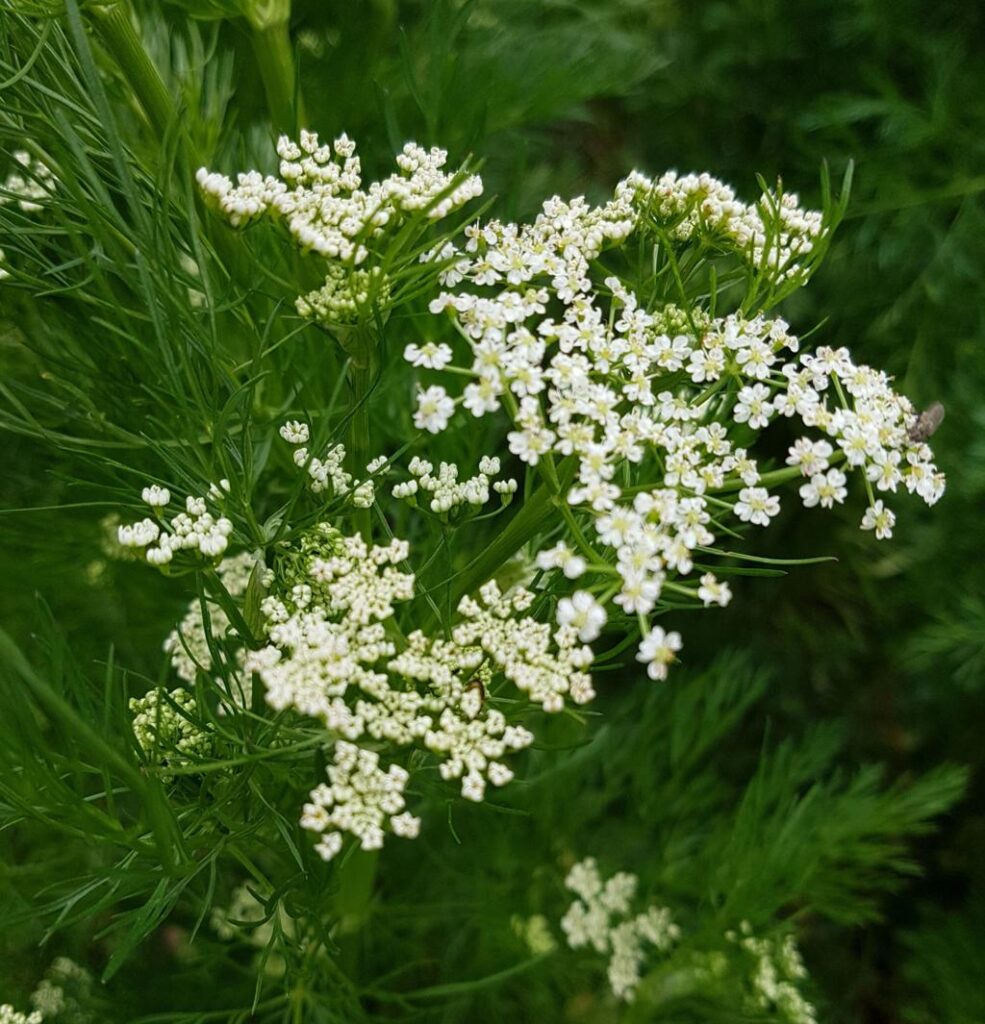
How to Grow Caraway
General Information
| Botanical Name: | Carum carvi |
| Common Names: | Caraway, Caraway Seed, Meridian Fennel, Persian Cumin |
| Plant Family: | Apiaceae |
| Type: | Biennial; Culinary/Medicinal/Aromatic; Cool season |
| Our Favorite Varieties: | Common Caraway, Annual Caraway, Dutch Caraway |
Know Before You Grow
| Growing Zones: | 3–9 |
| Frost Hardy: | yes |
| Heat Tolerant: | Moderate |
| Stratification: | no |
| Rows, Beds, Containers: | Best in rows or beds; containers work if deep enough |
Starting from Seed
| When: | Start indoors only if transplanting very young |
| Soil: | Seed Starting Mix |
| Depth: | ¼ inch |
| Water: | Keep evenly moist until germination |
| Germination: | 7–21 days |
| Up Pot: | Not recommended unless started in deep cells |
| Light: | Full sun to part shade |
| Soil Temperature: | 60–70°F |
| Heat Mat: | Not needed |
| Harden Off: | 7–10 days if started indoors |
Row, Bed, Container Prep
| Soil: | Loose, well-draining, moderately fertile soil |
| pH: | 6.0–7.0 |
| Soil Depth or Pot Size: | 10–12 inches deep minimum; containers at least 12 inches deep |
| Trellis: | no |
| Fertilizer/Feed: | Mix a small amount of balanced fertilizer such as 5-5-5 into poor soil before planting; avoid heavy feeding |
| Compost: | Mix 1–2 inches of finished compost into the top several inches before planting |
Transplanting/Up Potting
| When: | When seedlings are small and before taproot is long |
| How: | Move carefully without disturbing roots |
| Depth: | Same depth as original container |
| Spacing: | 8–12 inches apart |
| Water: | Water deeply after planting |
| Mulch: | Light mulch after plants are established |
Direct Sowing
| When: | Early spring or late summer |
| Depth: | ¼ inch |
| Spacing: | Thin to 8–12 inches apart |
| Water: | Keep evenly moist until established |
| Light: | Full sun to part shade |
| # in Sq. Ft. Planting: | 1–2 plants per square foot |
Growing Care
| Fertilizer/Feed: | Feed lightly only if growth is weak; too much fertilizer gives leafy growth and weaker seed production |
| Days to Maturity: | 70–90 days for leaves; 300–400 days for seed from biennial types |
| Water: | About 1 inch per week; keep steady moisture during establishment and flowering |
| Pruning/Harvesting: | Harvest leaves lightly the first year; allow second-year plants to flower and set seed |
| Mulching: | Add 1–2 inches of straw, shredded leaves, or fine mulch after plants are established; keep mulch 2–3 inches away from stems |
| Pollination: | Insect pollinated; bees and beneficial insects improve seed set |
Companions & Antagonists
| Plant Family: | Antagonists: |
| Peas | Fennel |
| Lettuce | – |
| Cabbage Family | – |
| Onions | – |
Attracts & Repels
| Attracts: | Repels: |
| Bees | Nothing |
| Hoverflies | – |
| Parasitic Wasps | – |
| Ladybugs | – |
| Butterflies | – |
Pests & Disease
| Pests: | Disease: |
| Aphids | Powdery Mildew |
| Carrot Rust Fly | Root Rot |
| Caterpillars | Leaf Spot |
| Spider Mites | – |
Seed Saving
| When: | When seed heads turn brown and seeds are dry but before they shatter |
| Method: | Cut seed heads into a paper bag, dry fully, then rub seeds free and store dry |
Harvest Time
| When: | Leaves can be harvested lightly once established; seeds are harvested when brown and dry |
| How: | Snip leaves as needed; cut seed heads before seeds drop |
| What: | Leaves, roots, and seeds |
| Storing: | Fresh leaves short term; seeds fully dried and stored airtight |
| Preservation Methods: | Drying seeds, drying leaves, freezing leaves |
Medicinal Uses:
| Traditionally Used for: | Gas, bloating, digestion, appetite support |
| Forms: | Tea, tincture, whole seed, crushed seed |
| Dosage or Application: | Tea: 1–2 teaspoons crushed seed per cup; Tincture: 20–40 drops; Seeds: used in food or chewed in small amounts after meals |
| NOTICE: | This information is based on historical/traditional fact. It is for educational purposes only. Lowe Bridges Farm will not be held liable for your use of this information. Your use of this information and the results thereof is your responsibility, and yours alone. |
Culinary Uses:
| Flavor Profile: | Warm, earthy, slightly sweet, peppery, and anise-like |
| Best Used In: | Rye bread, sauerkraut, cabbage dishes, soups, stews, potatoes, sausage, pickles |
| Forms: | Whole seed, crushed seed, ground seed, fresh leaves |
As an Aromatic:
| Used for: | Warm seed scent in spice blends and pantry mixes |
| How: | Whole or crushed dried seed |
Troubleshooting
| Poor Seed Production: | Plant did not overwinter, was harvested too heavily, or did not get enough pollinator activity |
| Weak Growth: | Soil too compacted or plants too crowded |
| Root Rot: | Soil stays too wet |
| Seed Shatter: | Harvest seed heads sooner, when brown but before they fully drop |
| Bolting first Year: | Heat or drought stress |