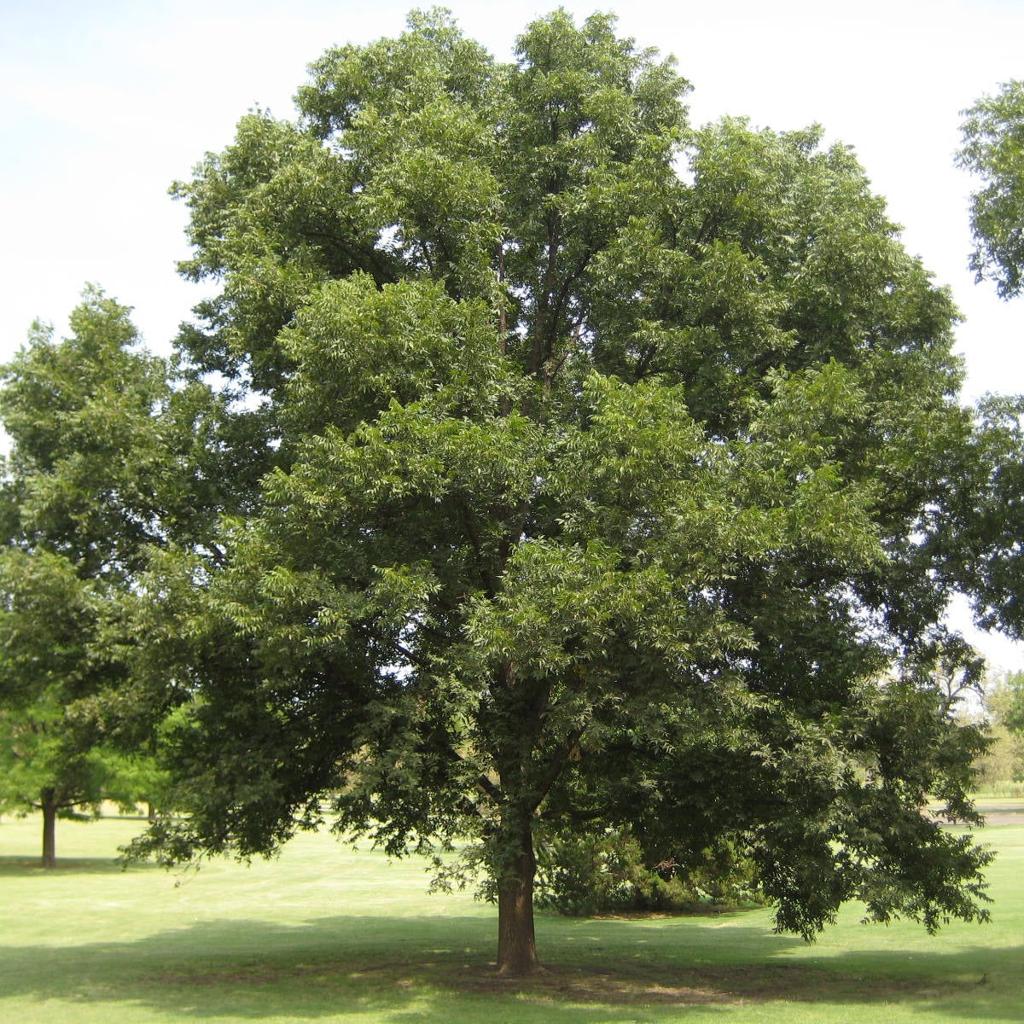
How to Grow Pecan Trees
General Information
| Botanical Name: | Carya illinoinensis |
| Common Names: | Pecan, Pecan Tree |
| Plant Family: | Juglandaceae |
| Type: | Deciduous; Nut |
| Our Favorite Varieties: | Desirable, Pawnee, Elliot, Kanza, Stuart |
Know Before You Grow
| Growing Zones: | 6–9 |
| Frost Hardy: | Yes |
| Heat Tolerant: | Yes |
| Chill Hours: | 400–800 |
| Pollination Needs: | Requires cross-pollination with a different pecan variety – A Type I and Type II pairing is needed |
| Rootstock: | Typically grown on seedling rootstock; improved varieties are grafted |
| Full Size: | 70–100+ feet tall and wide |
| Years to Produce: | 6–10 years (sometimes longer) |
| In-Ground or Container: | In ground only |
Starting from Seed
| When: | Fall or after stratification |
| Stratification: | Yes, 60–90 days cold stratification |
| Scarification: | Not required (shell can be cracked slightly to speed germination) |
| Soil | Loose, deep, well-draining soil |
| Depth: | 1–2 inches |
| Water: | Keep evenly moist |
| Germination: | 2–8 weeks after stratification |
| Up Pot: | Not recommended; transplant early due to deep taproot |
| Light: | Full sun |
| Soil Temperature: | 65–75°F after stratification |
| Heat Mat: | Optional |
| Harden Off: | 7–10 days |
Planting Site Prep:
| Soil: | Deep, well-draining loam |
| pH: | 6.0–7.0 |
| Drainage: | Must drain well; does not tolerate waterlogged soil |
| Sun: | Full sun (6–8+ hours) |
| Spacing: | 40–60 feet apart; plant at least two compatible varieties within about 100 feet for pollination |
| Hole Size: | 2–3 times wider than root ball, same depth |
| Fertilizer/Feed: | Light feeding after establishment; avoid over-fertilizing |
| Compost: | Mix 2–3 inches into soil if needed |
| Mulch: | 2–4 inches, kept away from trunk |
Planting:
| When: | Late winter to early spring (bare root) or fall in mild climates |
| How: | Plant straight with roots spread naturally |
| Depth: | Same as nursery depth; graft union above soil if present |
| Spacing: | 40–60 feet apart |
| Water: | Water deeply after planting |
| Mulch: | Apply 2–4 inches, keep 4–6 inches away from trunk |
| Staking: | Rarely needed |
Growing Care
| Fertilizer/Feed: | Light feeding in early spring; mature trees may require soil testing for nutrients |
| Water: | Deep water regularly during establishment; mature trees tolerate some drought but produce better with consistent moisture |
| Pruning: | Minimal pruning; remove dead or damaged branches |
| Thinning: | Not required |
| Mulching: | Maintain mulch ring to retain moisture and reduce competition |
| Pollination: | Requires cross-pollination between different types (Type I and Type II) |
| Winter Protection: | Protect young trees from freeze damage |
| Summer Protection: | Maintain moisture during heat for nut development |
Companions & Antagonists
| Plant Family: | Antagonists: |
| Grasses | None, but garden plants will struggle if planted to close. |
| Clover | – |
| Groundcovers | – |
Attracts & Repels
| Attracts: | Repels: |
| Wildlife | Nothinbg |
| Birds | – |
| Squirrels | – |
Pests & Disease
| Pests: | Disease: |
| Pecan Weevil | Pecan Scab |
| Aphids | Leaf Spot |
| Hickory Shuckworm | Powdery Mildew |
| – |
Propagation
| Seed: | Possible but not true to type |
| Cuttings: | Rarely used |
| Grafting: | Standard method for improved varieties |
| Layering: | Not commonly used |
Harvest Time
| When: | Fall when nuts drop from tree |
| How: | Collect from ground after natural drop |
| What: | Nuts |
| Storing: | Dry thoroughly and store in a cool, dry place |
| Preservation Methods: | Drying, freezing shelled nuts |
Uses:
| Culinary Uses: | Fresh eating, baking, cooking, roasting |
| Medicinal Uses: | Nutrient-dense food, healthy fats |
| Wildlife Uses: | Major food source for wildlife |
| Landscape Uses: | Large shade tree |
| Wood Uses: | High-quality hardwood for furniture and smoking wood |
Troubleshooting
| No nuts: | Lack of pollination or tree too young |
| Poor yield: | Nutrient deficiency or drought stress |
| Wormy nuts: | Insect damage |
| Leaf spotting: | Fungal disease; improve airflow if possible |
| Slow growth: | Poor soil depth or root restriction |