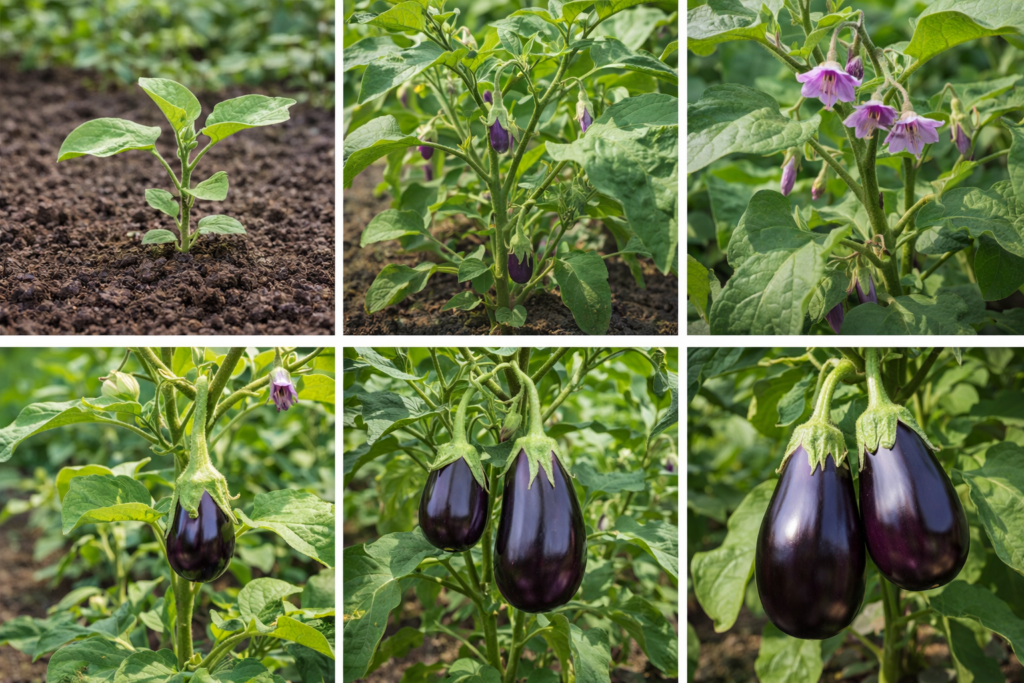
How to Grow Eggplant
General Information
| Scientific Name: | Solanum Melongena |
| Common Names: | Egg[;amt. aubergine, brinjal |
| Plant Family: | Solanaceae |
| Vegetable Type: | Warm Season fruiting vegetable |
| Popular Varieties: | Black beauty, Ichiban, Fairy Tale, Rosa Bianca, Little Finger |
Know Before You Grow
| Growing Zones: | 5 to 11 |
| Crops per Year: | 1 crop per year usually. In the warmest zones, some gardeners may manage 2 plantings. |
| Plants Per Person: | 2 to 3 plants per person, but if you will be doing any preservation of eggplant, you may need 3 to 5 plants per person. |
| Frost Hardy: | None |
| Heat Tolerant: | Good heat tolerance, but extreme heat can reduce fruit set. |
| Stratification: | No |
| Scarification: | No |
| Resistances: | Some varieties handle heat or disease better than others. |
Rotation Schedule
| Schedule: | 3 year rotation schedule. |
| Follow ->: | beans, peas, onions, garlic, leafy greens, root crops |
| <-Following: | beans, peas, brassicas, carrots, lettuce, onions |
Starting from Seed
| When: | 8 to 10 weeks before transplanting outside. |
| Soil: | Seed starting mix |
| Depth: | 1/4 inch deep |
| Water: | Keep soil evenly moist but not soggy |
| Germination: | 7 to 14 days |
| Up Pot: | When seedlings have their true leaves. Try to up pot before they become root bound. |
| Harden Off: | Harden off for about 7 to 10 days before transplanting. |
| Light: | 14 to 16 hours per day. |
| Soil Temperature: | 75° to 90°F |
| Heat Mat: | Yes |
Garden Bed Prep
| Soil: | Rich, loose, fertile well-draining soil |
| pH: | 6.0 to 6.8 |
| Soil Depth: | 10 to 12 inches |
| Trellis: | No, but staking may be needed. |
| Fertilizer: | Eggplant is a moderate to fairly heavy feeder. Add 1 to 2 inches of compost to the soil and use a balanced garden fertilizer. |
Transplanting
| When: | After all danger of frost has passed, nights are reasonably warm and the soil is warm. |
| Depth: | As deep as they were in the pot. |
| Spacing: | 18 to 24 inches apart, rows should be 30 to 36 rows apart. |
| Mulch: | Yes, once the plants are established. Add 2 to 3 inches. |
| Water: | Water immediately after transplanting. |
| Plants per Square Foot: | 1 eggplant for every 2 square feet, but if this isn’t possible, certainly no more than 1 per square foot. |
Direct Sowing
| When: | Direct sow is not recommended. Seeds should be started indoors well before the last frost. |
Growing Care
| Soil pH: | 6.0 to 6.8 |
| Fertilizer/Feed: | After plants are established, side dress lightly. Side-dress again when flowering starts or when the fruit first sets. |
| Days to Maturity: | 70 to 90 days from transplant. |
| Water: | Water thoroughly so that moisture reaches the root zone. While you may let the soil dry, do not let the plants wilt. Water for about 30 minutes once a week for best results. |
| Pruning: | Remove dead, damaged or diseased parts. You may prune the bottom leaves or thin them to allow for better airflow. |
| Pollination: | Self-Pollinating |
Companions & Antagonists
| Plant Family: | Antagonists: |
| beans | tomatoes |
| peas | peppers |
| spinach | potatoes |
| lettuce | – |
| marigolds | – |
| basil | – |
Attracts & Repels
| Attracts: | Repels: |
| bees | Nothing |
| ladybugs | – |
| lacewings | – |
| hoverflies | – |
Pests & Disease
| Pests: | Disease: |
| flea beetles | verticillium wilt |
| aphids | bacterial wilt |
| spider mites | early blight |
| stink bugs | damping off |
| colorado potato beetles | blossom end rot |
Seed Saving
| When: | Let fruit become fully mature, beyond eating stage. |
| Method: | Remove from vine, cut open, remove seeds. Wash seeds free of pulp (do not use soap or any other cleaners other than water), dry thoroughly. |
| Storage: | Store in a cool, dry place. |
Harvest Time
| When: | When they are full sized for their variety. The rind should be glossy, firm and still have smooth skin. |
| How: | Use pruners or a knife to remove the fruit from the plant. |
| Storing: | Fresh eggplant only keeps for 4 to 7 days. Keep it refrigerated for best results, and do not wash before storing. |
| Preservation Methods: | freezing, canning, dehydration. Best preserved after cooking. |
Troubleshooting
| Big plant, few fruits: | Usually too much nitrogen, not enough warmth early on, or poor pollination |
| Flowers dropping: | Can be caused by heat stress, cold nights, drought, stress, or general plant stress |
| Fruit is bitter: | Usually overripe fruit, heat stress, or variety differences |
| Leaves full of tiny holes: | Often flea beetles |
| Plants look wilted, even with water: | Possible wilt disease, root trouble, or severe stress |
| Fruit small or misshapen: | Could be poor pollination, plant stress or weak fertility. |
| Brown spot on blossom end of fruit: | Likely blossom end rot, often tied to uneven moisture and calcium movement issues. |