
Aquaponic Gardening – or Aquaponics
Aquaponics is what you get when hydroponics and fish raising move in together and decide to cooperate.
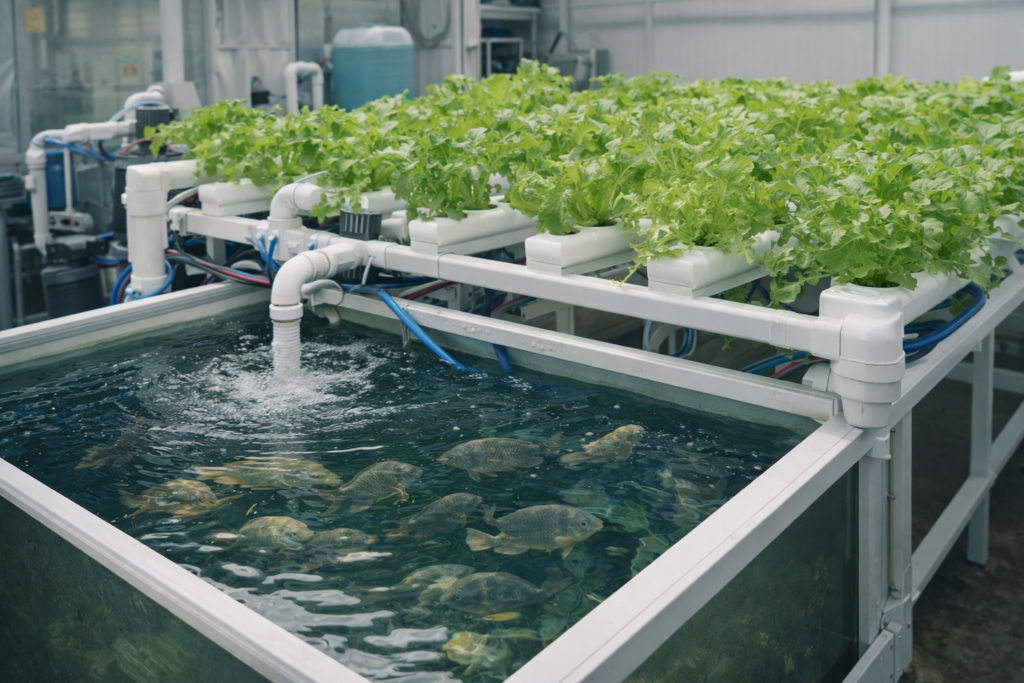
Instead of feeding plants with a bottled nutrient solution the way hydroponics does, aquaponics uses fish waste as part of the nutrient cycle. The fish produce waste, bacteria break that waste down into forms plants can use, and the plants help clean the water before it goes back to the fish. That is the basic idea. It is a recirculating system built around fish, plants, water, and biology all working together.
That sounds simple enough on paper. In real life, it is one of those methods that can be fascinating, productive, and very efficient when it is working well. It can also be one of the quickest ways to discover that you are not just growing plants anymore. You are managing a whole little ecosystem, and every part of it matters.
What Aquaponics Is and How It Works
In a regular garden, the soil helps hold water, nutrients, and oxygen around the roots. In hydroponics, the grower replaces the soil with a water-and-nutrient system. In aquaponics, the nutrient side of that equation comes largely from the fish.
Here is the short version of how it works:
- fish live in a tank and produce waste
- beneficial bacteria convert that waste into plant-available nutrients
- plants take up those nutrients
- cleaner water is returned to the fish
That is why aquaponics is not just hydroponics with a fish tank stuck on the side. It is a combined system, and the fish side, plant side, and bacterial side all have to stay in balance. Oklahoma State Extension describes aquaponics as the combination of aquaculture and hydroponics, with plant growth and fish production happening in the same system. North Carolina State says much the same thing and notes that many different system designs exist, from basic hobby setups to more technical systems.
Because it is a living system, you are not just feeding plants. You are also protecting fish and supporting the bacterial process that keeps everything moving.
Why People Like Aquaponics
One big reason people are drawn to aquaponics is efficiency.
A recirculating system can make good use of water, especially compared with many traditional outdoor growing methods. It also allows growers to produce both plants and fish in one connected setup. Texas A&M AgriLife describes aquaponics as an integrated system where fish and plants are grown together, and Clemson Extension notes that fish waste provides nutrients for plants while the plants help clean the water for recirculation.
Other reasons people like it:
- it can work where native soil is poor
- it can be done in greenhouses or other controlled spaces
- it can produce leafy greens and herbs quite well
- it appeals to people who enjoy systems, monitoring, and hands-on management
- it can be a good educational tool because you can see the whole cycle at work
It is also just plain interesting. There is something satisfying about a system where one part helps support the next.
The Catch: This Is Not a Lazy Gardener’s Method
Aquaponics can be productive, but it is not low-maintenance.
You are not just watching plant growth. You are also paying attention to fish health, water quality, temperature, oxygen, waste load, and nutrient balance. Maryland Extension describes aquaponics as a mutually beneficial fish-and-plant system, but like any system that depends on balance, it requires management.
If something goes wrong, it may affect more than one part of the setup. A problem with water quality can hurt the fish and the plants. A fish loss changes nutrient production. A pump issue can affect oxygen and circulation. That is a whole lot different from forgetting to weed a bed of beans for a day or two.
This is a method for people who do not mind paying attention.
Best Crops and Best Expectations
Aquaponics tends to make the most sense for leafy greens, herbs, and other crops that do well in controlled systems. Lettuce is a common favorite. Herbs and some greens are often easier starting places than large fruiting crops.
That does not mean you cannot grow bigger things. It means bigger things usually come with bigger system demands, more support needs, and less beginner forgiveness.
As for the fish side, that depends a great deal on climate, legal issues, water conditions, system design, and grower goals. Texas A&M’s aquaponics resource hub includes material on fish selection and water quality, which tells you right there that aquaponics is more than just a plant-growing project.
So if somebody is brand new, I would not suggest starting with grand dreams of a giant backyard aquaponics empire. I would suggest starting small, learning the system, and deciding whether you actually enjoy managing all the moving parts.
Is Aquaponics Right for You?
Aquaponics may be a good fit if:
- you enjoy systems and monitoring
- you like the idea of fish and plant production together
- you want to grow in a controlled environment
- you do not mind learning about water quality and system balance
- you are willing to check on things consistently
It may not be your best match if:
- you want a simple, low-tech garden
- you do not want equipment or monitoring responsibilities
- you are easily annoyed by troubleshooting
- you mainly want a straightforward backyard vegetable patch
There is no shame in admiring aquaponics without wanting to run one. It is a fascinating method, but it asks more from the grower than a basic row garden or raised bed does.
Final Thoughts
Aquaponics is a combined system where fish, plants, and beneficial bacteria work together in recirculating water. When it is balanced, it can be efficient, productive, and a very smart use of space and resources. When it is out of balance, it can become a headache in a hurry.
For the right person, it is an exciting and rewarding method. For the wrong person, it is one more thing to monitor, fix, and worry over.
If aquaponics interests you, start small, keep your expectations reasonable, and remember that you are not just growing plants. You are managing a living system.
For More Information on Aquaponic Gardening: