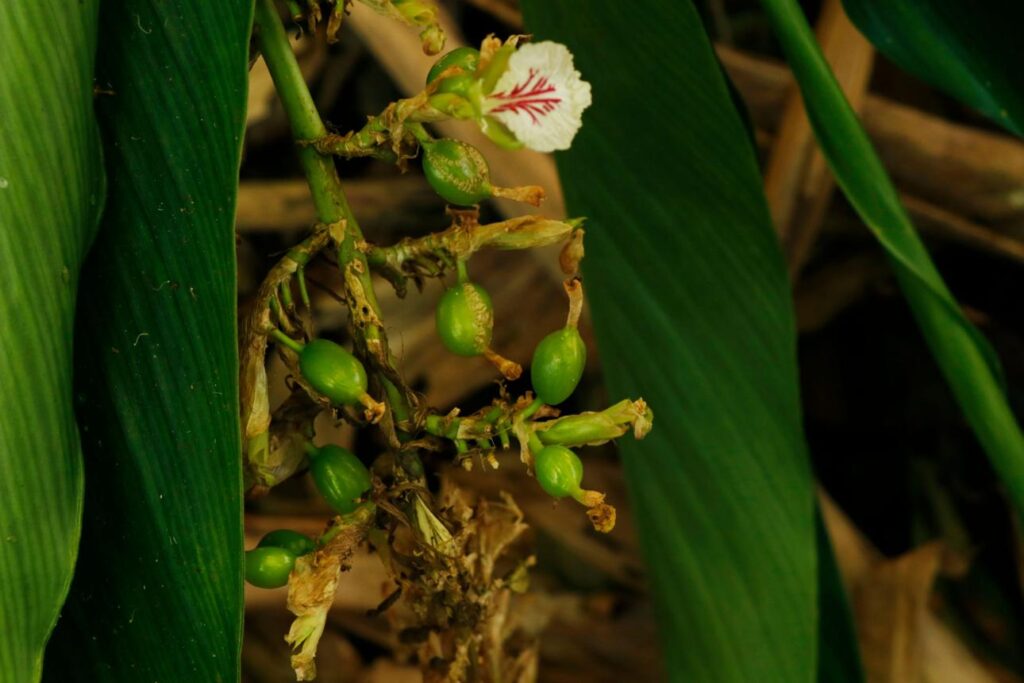
Cardamom
General Information
| Botanical Name: | Elettaria cardamomum |
| Common Names: | Cardamom, Green Cardamom, True Cardamom |
| Plant Family: | Zingiberaceae |
| Type: | Tender perennial; Culinary/Medicinal/Aromatic; Warm season |
| Our Favorite Varieties: | Green Cardamom, Malabar Cardamom, Mysore Cardamom |
Know Before You Grow
| Growing Zones: | 10–12 |
| Frost Hardy: | No |
| Heat Tolerant: | Moderate; prefers warm, humid conditions but not dry heat |
| Stratification: | No |
| Rows, Beds, Containers: | Best in containers outside tropical climates |
Starting from Seed
| When: | Start indoors anytime if warmth and humidity can be maintained |
| Soil: | Rich, loose, well-draining seed-starting mix |
| Depth: | ¼ inch |
| Water: | Keep evenly moist, never soggy |
| Germination: | 30–90 days |
| Up Pot: | When seedlings are sturdy and roots begin filling the container |
| Light: | Bright indirect light |
| Soil Temperature: | 75–85°F |
| Heat Mat: | Recommended |
| Harden Off: | 7–10 days before moving outdoors |
Row, Bed, Container Prep
| Soil: | Rich, loose, moisture-retentive, well-draining soil |
| pH: | 6.0–6.8 |
| Soil Depth or Pot Size: | Container at least 12 inches deep and 12–16 inches wide to start; larger pots needed as clump grows |
| Trellis: | No |
| Fertilizer/Feed: | Mix a small amount of balanced fertilizer such as 5-5-5 into the soil before planting; feed monthly during active growth with half-strength liquid fertilizer |
| Compost: | Mix 2 inches of finished compost into potting mix or bed soil before planting |
Transplanting/Up Potting
| When: | When weather is warm and nights stay above 60°F |
| How: | Move carefully without breaking rhizomes or roots |
| Depth: | Same depth as original container |
| Spacing: | 24–36 inches apart in ground; one clump per large container |
| Water: | Water deeply after transplanting |
| Mulch: | Use 1–2 inches of mulch to hold moisture, keeping it pulled back from stems |
Direct Sowing
| When: | Not recommended except in tropical climates |
| Depth: | ¼ inch |
| Spacing: | 24–36 inches |
| Water: | Keep evenly moist |
| Light: | Bright shade or filtered sun |
| # in Sq. Ft. Planting: | Not recommended for square foot planting |
Growing Care
| Fertilizer/Feed: | Feed monthly during warm active growth with half-strength balanced liquid fertilizer or compost tea |
| Days to Maturity: | 2–3 years or longer for seed pods under ideal conditions |
| Water: | Keep soil evenly moist; do not let it dry out completely |
| Pruning/Harvesting: | Remove yellow or damaged leaves; harvest pods before they fully split open |
| Mulching: | Keep 1–2 inches of mulch around container or bed plants to hold moisture; keep mulch 2–3 inches away from stems |
| Pollination: | Flowers may need insect activity or hand pollination indoors for pod production |
Companions & Antagonists
| Plant Family: | Antagonists: |
| Ginger | Dry Soil Herbs |
| Turmeric | Desert Herbs |
| Tropical Herbs | Plants that require full sun |
| Shade Loving Plants | – |
Attracts & Repels
| Attracts: | Repels: |
| Bees and pollinators when flowering | No reliable garden repellent effect |
Pests & Disease
| Pests: | Disease: |
| Spider Mites | Root Rot |
| Aphids | Leaf Spot |
| Mealybugs | Fungal Issues |
| Scale | – |
Seed Saving
| When: | When pods are mature but before they split open |
| Method: | Harvest pods, dry them fully, and store whole pods in an airtight container |
Harvest Time
| When: | Harvest seed pods when they are full-sized and beginning to mature, before they split |
| How: | Cut or pinch pods from flowering stems |
| What: | Seed pods |
| Storing: | Store dried whole pods airtight in a cool, dark place |
| Preservation Methods: | Drying whole pods |
Medicinal Uses:
| Traditionally Used for: | Digestion, gas, bloating, bad breath, mild congestion |
| Forms: | Tea, whole pods, crushed seeds, tincture |
| Dosage or Application: | Tea: 2–4 lightly crushed pods per cup; Seeds: use small amounts in food or tea; Tincture: 20–40 drops |
| NOTICE: | This information is based on historical/traditional fact. It is for educational purposes only. Lowe Bridges Farm will not be held liable for your use of this information. Your use of this information and the results thereof is your responsibility, and yours alone. |
Culinary Uses:
| Flavor Profile: | Sweet, warm, citrusy, floral, spicy |
| Best Used In: | Chai, baked goods, rice dishes, curries, spice blends, coffee, desserts |
| Forms: | Whole pods, seeds, ground spice |
As an Aromatic:
| Used for: | Sweet spicy scent in teas, spice blends, incense-style blends, and body products |
| How: | Whole pods, crushed seeds, ground powder |
Troubleshooting
| Brown Leaf Tips: | Air too dry, under-watering, or mineral buildup |
| Yellow Leaves: | Over-watering, poor drainage, or low fertility |
| No flowers or pods: | Plants too young, not warm enough, low humidity or poor pollination. |
| Spider-Mites: | Air too dry; increase humidity and rinse leaves |
| Root Rot: | Soil staying wet instead of evenly moist, |