Caring for Your Soil
If you want a better garden, take care of your soil.
That sounds simple, and it is simple, but it is also easy to overlook. A lot of people focus on the plants and forget that everything starts below them. They buy seeds, choose varieties, plan beds, and dream about harvests, all while standing on the very thing that is going to make or break the whole operation.
Soil is not just dirt. It is a living growing medium. It holds water, air, nutrients, microbes, fungi, organic matter, and the roots of everything you hope will grow well. If the soil is healthy, a lot of garden problems become easier to manage. If the soil is worn out, compacted, lifeless, or out of balance, the garden will struggle no matter how pretty the seed packets looked in spring.
Caring for your soil is not glamorous, but it is one of the smartest things a gardener can do.
Good Soil Does Not Stay Good by Accident
Soil changes over time. Rain moves through it. Plants pull nutrients out of it. Heat dries it. Foot traffic compacts it. Organic matter breaks down. Seasons, crops, weather, and gardening habits all leave their mark.
That means good soil needs ongoing care. Even naturally decent soil can lose structure, fertility, and balance if it is worked hard and never replenished. On the other hand, poor soil can become much better if it is treated thoughtfully and improved over time.
That is the encouraging part.
You do not have to start with perfect soil to grow a good garden. But you do need to care for the soil you have.
Feed the Soil, Not Just the Plant
A lot of gardeners think only in terms of feeding the plant. They want to know what fertilizer to add and how fast it will work. Sometimes fertilizer is needed, but if that is the only thing you ever think about, you can miss the bigger picture.
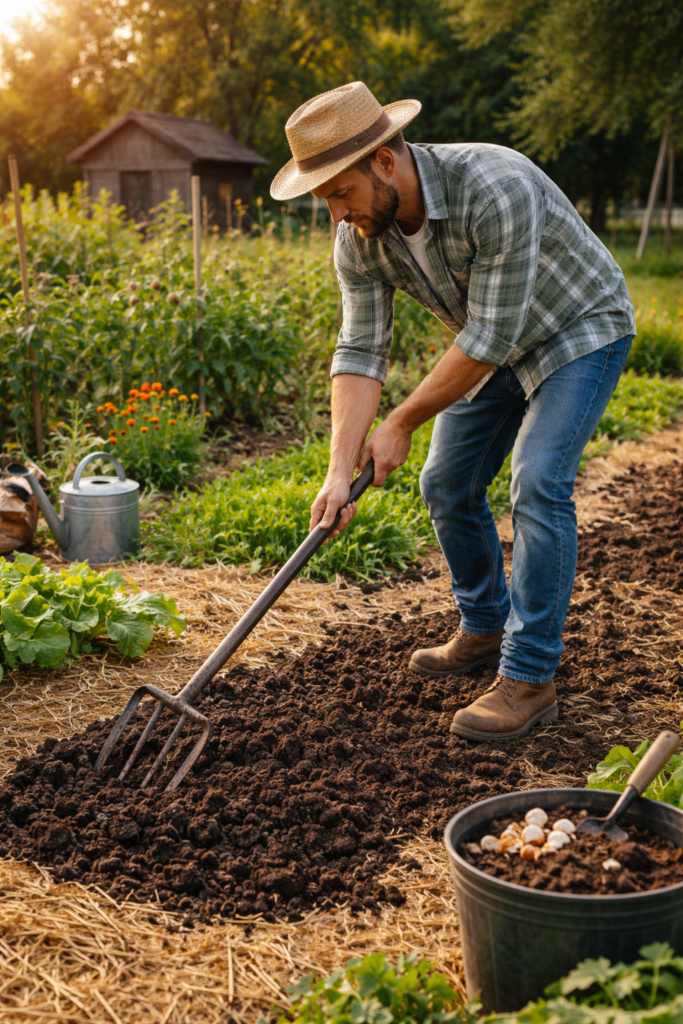
Healthy soil is not just a holder for plant roots. It is an active system. When you add compost, organic matter, mulch, and other good inputs, you are not just feeding the crop in front of you. You are improving the soil itself. That helps the next crop too, and the one after that.
This is why compost matters so much. It improves structure, supports soil life, helps with moisture balance, and contributes to long-term fertility. Fertilizer may give nutrients more directly, but compost helps build the home those roots are living in.
And that home matters.
Add Organic Matter Regularly
If there is one habit that improves a lot of soils over time, it is adding organic matter.
Organic matter helps:
- improve soil structure
- increase moisture retention in sandy soil
- loosen heavier soil over time
- support beneficial soil life
- help nutrients stay available
For many gardens, compost is the easiest and most useful form of organic matter to add. Leaf mold, aged manure, and other well-broken-down materials can also help, depending on what you have available and how you use them.
This is not usually a one-and-done fix. Soil improvement happens over time. A single load of compost is good. Repeated additions over seasons and years are where the real long-term improvement starts to show.
Avoid Compaction
One of the quickest ways to hurt soil is to keep compacting it.
Compacted soil has less room for air, water movement, root growth, and soil life. It can become hard, dense, and difficult for plants to grow in, even when other things seem right. Many garden problems that look like “the plants just aren’t doing much” start with roots struggling in tight, airless ground.
The easiest way to reduce compaction is not to walk where you plant. Keep clear paths. Reach into beds instead of stepping into them. If you have raised beds or framed beds, use those borders and paths the way they were meant to be used.
It also helps to avoid working soil when it is too wet. Wet soil, especially clay-heavy soil, compacts and smears much more easily. If the ground is sticky and soggy, it is usually better to wait.
Keep Soil Covered
Bare soil is vulnerable soil.
When the surface is left exposed, it can dry out faster, crust over, erode, bake in the sun, and invite weeds to move in. A covered soil surface is usually better protected and better able to hold steady conditions.
This is one reason mulch is so useful. Mulch helps moderate temperature, reduce moisture loss, soften the impact of rain, and cut down on weeds. It also helps protect the structure of the soil underneath.
Different gardeners use different mulches, including:
- straw
- shredded leaves
- pine needles
- grass clippings used carefully
- wood chips in the right places
- compost as a top layer
- cardboard, which probably won’t breakdown before the next planting season, but it will cover and protect your soil.
The best mulch depends on the crop and the setting, but the general idea stays the same: protect the soil instead of leaving it naked to take a beating.
Test Before You Guess
A soil test is one of the best tools you have for caring for soil wisely.
Without a test, it is easy to assume the problem is low fertility when it may actually be pH. It is easy to add phosphorus when the soil already has plenty. It is easy to spend money fixing the wrong thing.
Testing helps you understand what the soil actually needs. That lets you make better decisions about lime, sulfur, fertilizer, and other amendments. It also keeps you from blindly dumping products into the garden just because the label made big promises.
Good soil care is easier when it is based on information instead of guesswork.
Disturb It Less Than You Think
A lot of soil does not benefit from being constantly turned, chopped, and worked to death.
Yes, sometimes you need to loosen a space, prepare a bed, or work in amendments. But constant disturbance can break down soil structure, bring weed seeds to the surface, and disrupt the organisms that help keep the soil healthy.
That is one reason no-dig and lower-disturbance methods appeal to so many gardeners. They focus more on top-dressing, mulching, composting, and gradual improvement instead of constant upheaval.
You do not have to become extreme about it. Just remember that more digging is not always better soil care.
Match Your Expectations to Your Soil
Different soils need different kinds of care.
Sandy soil may need more organic matter and more help holding moisture. Clay soil may need structure improvement, patience, and careful timing. Silty soil may need protection from crusting and compaction. Poor soil may need a long-term rebuilding plan instead of one dramatic fix.
This is where frustration can creep in. People read generic advice and assume every yard should behave the same way. It does not.
Caring for your soil means learning what kind of soil you actually have and adjusting your methods accordingly. The goal is not to make every garden identical. The goal is to make your soil healthier than it was before.
Rotate, Rest, and Replenish
Soil gets used.
Plants pull nutrients out of it. Heavy feeders can put a lot of demand on the same space. Repeated planting of the same kinds of crops in the same place can also make some soil problems more noticeable over time.
That is one reason crop rotation can help. It does not fix every issue, but it can reduce repetitive strain on the same patch of soil and help break some pest and disease cycles too.
And sometimes the best thing you can do for a bed is replenish it well between crops. Add compost. Refresh the mulch. Let the soil recover instead of expecting it to produce endlessly without support.
Soil Care Is Long-Term Work
This may be the most important thing to remember: soil care is not usually dramatic.
It is not often one big miracle product or one weekend of heroic effort. It is a long line of smaller choices that add up over time. Compost instead of neglect. Mulch instead of bare ground. Paths instead of trampling. Information instead of guessing. Patience instead of panic.
That may not sound exciting, but it is real.
And real soil improvement is what supports real gardening success.
Final Thoughts
Caring for your soil means paying attention to the ground that supports everything else in the garden. Add organic matter, avoid compaction, protect the surface, test before guessing, and improve steadily over time. Healthy soil does not happen by accident, but it does respond beautifully to good care.
If you take care of your soil, it will do a whole lot more of the heavy lifting for you. And in gardening, that is one of the best partnerships you can build.