Framed Gardening: An Alternate Container
Framed gardening is one of those methods that sits somewhere between row gardening and raised bed gardening. It gives you a defined growing space without always requiring the depth, soil volume, or expense of a full raised bed.
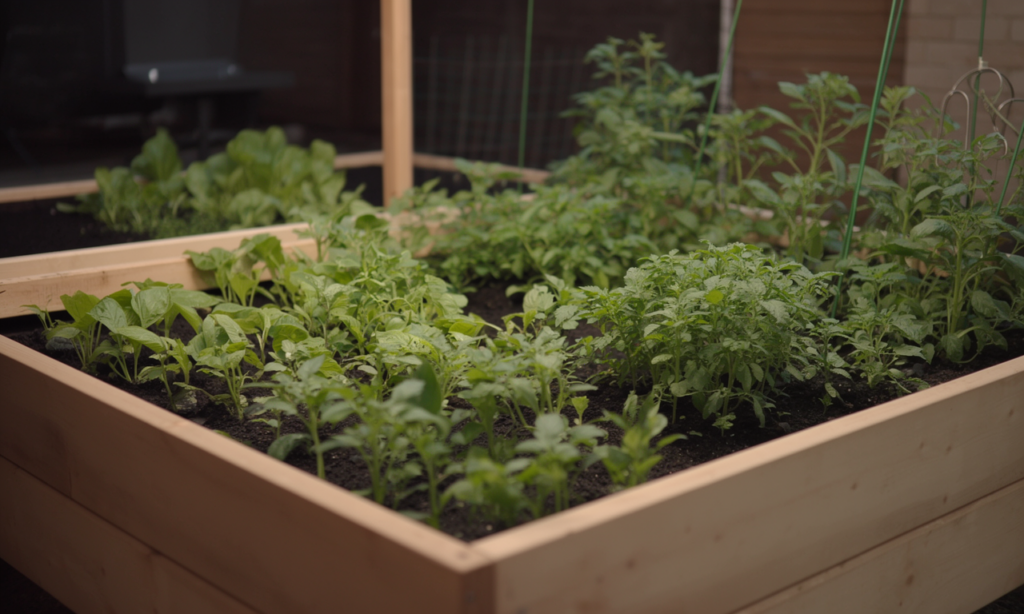
In plain English, framed gardening means you build some kind of border or frame around a garden space to mark it off and help manage it. That frame might be made of wood, blocks, metal, stone, logs, or other sturdy materials.
Sometimes the frame is shallow and mostly used to define the space. Sometimes it is deeper and starts acting a whole lot like a raised bed. That is why the line between framed gardening and raised bed gardening can get a little blurry.
What makes framed gardening useful is that it gives the garden shape, order, and containment. Instead of having crops planted in a wide open patch of ground, you have a clear planting area with visible boundaries. That can make the garden easier to plan, easier to maintain, and a whole lot easier to keep looking neat.
For a lot of home gardeners, that alone is a big win.
A framed bed helps keep pathways where they belong and growing space where it belongs. It can help prevent soil from spreading out into the walkways, and it can give the whole garden a more organized look. If you are the kind of person who likes things to feel tidy and intentional, framed gardening may suit you very well.
It can also be a good compromise if you do not want to commit to tall raised beds everywhere. Maybe you do not need a bed that is twelve inches deep. Maybe you just want a low border to outline the bed, help with soil management, and make the space easier to work with. That is where framed gardening shines.
One of the nicest things about framed gardening is that it is flexible. You can frame one small bed or an entire garden layout. You can make formal rectangles, long narrow beds, square sections, curved spaces, or whatever fits your land and your style. You are not stuck with one look.
This method works especially well in backyard gardens, kitchen gardens, herb gardens, and any growing area where you want more control over the layout. It also works well when you are trying to break a larger space into smaller, more manageable sections.
A framed garden can make crop rotation easier to track. It can help you group crops by season, by plant family, or by watering needs. It can also help keep you from gradually creeping farther and farther out into the yard like some kind of gardening outlaw who swore she was only going to plant a “small little patch.”
Now, framed gardening does have some of the same benefits people like in raised beds. The borders help hold soil in place. The planting area is clearly defined. It is easier to avoid stepping where you should not step. Depending on how the frame is built, it may warm up a little sooner in spring and drain a little better than the surrounding ground.
Framed Gardening is Not Raised Bed Gardening
Framed Gardening is not automatically the same as raised bed gardening.
A true raised bed usually sits well above ground level and is intentionally filled or improved to create a deeper growing environment. A framed bed may be only slightly raised, or not much raised at all. Sometimes the frame is more about structure and management than height. That distinction matters, especially when you are deciding what to grow there.
If the bed is shallow and the soil beneath it is poor, rocky, compacted, or badly drained, the frame alone will not magically fix that. You still have to deal with the soil situation. A frame is useful, but it is not a miracle worker.
That said, framed gardening can be a very good way to improve a space over time. You can add compost, organic matter, mulch, and other amendments season by season. You can build the soil gradually while still enjoying the benefits of a more controlled and attractive layout.
This method can work for vegetables, herbs, flowers, or mixed plantings. It is especially handy for crops you want grouped neatly together. Lettuce, onions, carrots, herbs, bush beans, peppers, and many other common garden plants do just fine in a framed space. It can also work beautifully for themed beds, like a salsa garden, tea herb bed, pollinator bed, or kitchen herb garden.
Another advantage is accessibility. Even a low frame makes the bed easier to see and easier to work around. It creates a visual cue that says, this is the garden, not the walkway. That can be helpful for children, visitors, and even for your own tired self when you are carrying tools, plants, mulch, or a basket and trying not to tromp through something important.
Framed gardening can also cut down on some maintenance headaches. Defined beds tend to make mulching easier. Weed control can feel more manageable when the growing area is clearly marked. Watering can be more targeted. And the whole space is often easier to cover with row cover, shade cloth, or frost protection because the bed has a shape and a boundary you can work with.
Of course, there are drawbacks.
The Drawbacks of Framed Gardening
The materials cost something unless you are using what you already have on hand. Building takes time and effort. Some materials last much longer than others. Wood may eventually rot. Cheap materials may warp, crack, or shift. If you build a lot of framed beds, the setup can become a project in itself.
You also need to think about width. One of the biggest mistakes people make is building beds too wide. A pretty frame does not help much if you cannot easily reach the middle without stepping into the bed. In most cases, keeping the width manageable will save you a lot of aggravation later.
Drainage matters too. If you frame in a problem area without understanding how water moves through that space, you can wind up creating a soggy mess. That is especially true in low spots or heavy clay. The frame gives structure, but it does not change gravity.
Material choice matters as well. Natural wood looks nice and is popular, but it will not last forever. Stone and block are durable but heavier and more permanent. Metal can last a long time but may not suit every style or budget. Repurposed materials can work, but make sure they are safe for growing food. You do not want to get clever and then realize your “budget-friendly garden border” was a bad idea all along.
For gardeners who want order without going all the way into deep raised beds, framed gardening is a very practical middle ground. It is especially useful if you want your garden to be both productive and attractive. A framed bed has a finished look to it. It says this space was planned on purpose.
And that matters more than some folks like to admit.
When a garden looks cared for, it often gets cared for better. You notice problems sooner. You stay on top of weeds a little easier. You enjoy being out there more. A neat, framed garden has a way of inviting you back into it.
Framed gardening is not the only way to grow, and it is not always the best method for every space. But if you want clear boundaries, an organized layout, and a garden that feels manageable, it can be an excellent choice.
For many home gardeners, it offers a nice balance between structure and flexibility. It gives definition without demanding a full raised-bed commitment, and it can make the whole garden feel more orderly, workable, and inviting.
Final Thoughts
Framed gardening is a simple idea, but a useful one. Put a clear border around the growing space, make the bed easy to reach, pay attention to drainage, and build with materials that make sense for your budget and your goals.
If you want a garden that looks intentional, stays easier to manage, and gives you some of the benefits of raised beds without going all the way there, framed gardening may be exactly your speed.