Greenhouse Gardening
Greenhouse gardening is exactly what it sounds like: growing plants inside a protected structure that helps you control conditions better than you can out in the open garden.
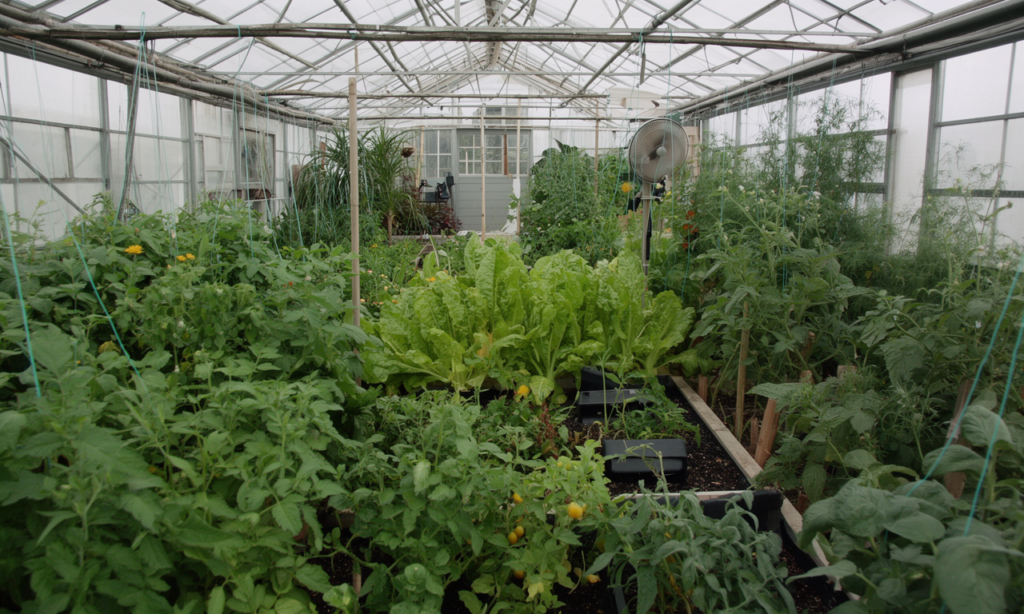
That protection is the big draw. A greenhouse can help shelter plants from cold, wind, pounding rain, and some pest pressure, and it can also make it possible to start seedlings earlier or keep crops going longer into the season. Penn State notes that greenhouses can be used for many purposes through the year, including producing vegetables, growing transplants, and protecting crops in a controlled environment.
A greenhouse is not a magic bubble where everything thrives automatically, though. It gives you more control, but it also gives you more responsibility. Once you start gardening in a greenhouse, you become a lot more aware of temperature, airflow, humidity, watering, and spacing than you might be in a regular backyard bed.
What Greenhouse Gardening Is
Greenhouse gardening means growing plants inside a structure designed to capture and hold warmth from sunlight while offering protection from outdoor conditions.
That can range from a small hobby greenhouse in the backyard to a much larger growing structure. The basic idea stays the same: create a more controlled growing environment than the open garden can offer. Penn State’s greenhouse production guidance explains that a greenhouse may be used for many purposes throughout the year, including crop production and transplant growing.
For home gardeners, greenhouse gardening is often used for:
- starting seeds and transplants
- protecting tender plants
- extending the growing season
- growing greens, herbs, or specialty crops in cooler months
- keeping plants going when outdoor conditions are not cooperating
Why Gardeners Like It
One of the biggest advantages is the ability to stretch the season.
A greenhouse can let you get started earlier in spring and keep growing later into fall or winter, depending on your climate and your setup. University of Minnesota’s work on deep winter greenhouses highlights that protected growing structures can capture solar heat and extend production well beyond the normal outdoor season.
Gardeners also like greenhouse growing because it can:
- protect young plants
- reduce weather damage
- give more control over growing conditions
- make transplant production easier
- support year-round or near year-round growing in some situations
And let’s be honest, there is also something satisfying about walking into a warm greenhouse when the weather outside is acting ugly.
The Good Side and the Hard Side
The good side is obvious. More control, more protection, and often a longer season.
The hard side is that a greenhouse has to be managed.
Heat can build up fast. Humidity can get out of hand. Airflow matters. Watering is different from outdoor gardening because rain is not handling part of the job for you. Penn State’s greenhouse materials emphasize that greenhouse growing requires attention to environmental conditions and management rather than simple set-it-and-forget-it growing.
A greenhouse can also become expensive, depending on the structure, heating, cooling, irrigation, benches, coverings, and repair needs. Even a small hobby greenhouse still needs thought put into placement, ventilation, and how you will actually use it.
So greenhouse gardening is not automatically easier than outdoor gardening. It is just different. In some ways it solves problems, and in other ways it creates new ones.
What Grows Well in a Greenhouse
That depends on the greenhouse, the season, and how much control you have over the environment.
Many gardeners use greenhouses for:
- vegetable seedlings and transplants
- herbs
- lettuce and leafy greens
- tomatoes
- peppers
- cucumbers
- specialty crops that need more protection
In cool climates or colder seasons, a greenhouse may be ideal for greens and transplants. In warmer weather, heat-loving crops may do well, but overheating can become a serious issue if ventilation is poor. University of Minnesota’s greenhouse materials show how structure type and season affect what is practical to grow and when.
Is Greenhouse Gardening Right for You?
Greenhouse gardening may be a good fit if:
- you want to extend your growing season
- you like starting your own plants
- you want more protection from weather
- you enjoy a little more control over the growing environment
It may be less appealing if:
- you do not want another structure to manage
- you do not want the added cost
- you prefer simpler, lower-input gardening
- you are not interested in monitoring heat, airflow, and watering more closely
For a lot of home gardeners, the smartest greenhouse use is not trying to grow everything in there all year long. It is using the greenhouse strategically for seedlings, season extension, and a few crops that truly benefit from the extra protection.
Final Thoughts
Greenhouse gardening can be a very useful method for gardeners who want more control, more protection, and a longer growing season. It can help with transplant production, season extension, and protected crop growing, but it also requires management and attention to conditions inside the structure.
For the right gardener, a greenhouse can be a real asset. For the wrong gardener, it can turn into one more thing to fuss over. The key is using it in a way that fits your climate, your space, and your actual gardening habits.
For more information: