Hydroponic Gardening – or Hydroponics
Hydroponics is one of those gardening methods that sounds a whole lot more complicated than it has to be.
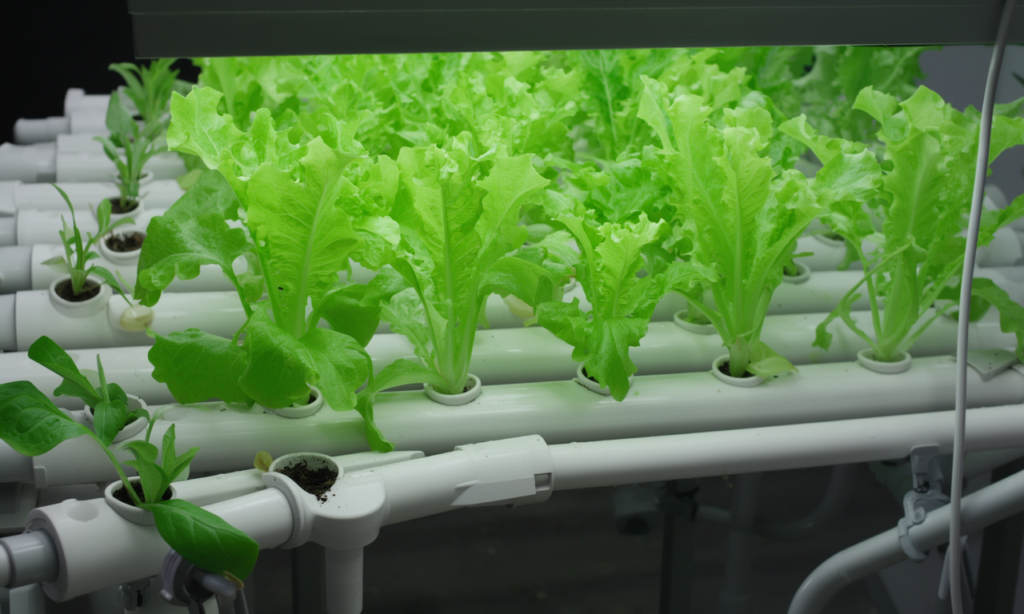
At its most basic, hydroponics is simply growing plants without soil. Instead of pulling nutrients from the ground, the plants get what they need from water that has nutrients added to it. Sometimes the roots sit directly in that water. Sometimes they grow in an inert material like perlite, clay pellets, coco coir, or rockwool while the nutrient solution moves through the system. Either way, the soil is not doing the feeding.
For some folks, hydroponics sounds futuristic. For others, it sounds like one more expensive gadget hobby. Truth is, it can be as simple or as complicated as you make it. A small countertop lettuce setup is hydroponics. A greenhouse full of channels and reservoirs is hydroponics too.
It is not my first choice for every gardener, but it is a legitimate growing method and it absolutely has its place.
What Hydroponics Is and How It Works
Plants do not actually need soil itself. What they need is water, nutrients, oxygen, light, and support. In a traditional garden, the soil helps provide or hold those things. In a hydroponic system, you replace the soil’s job with a controlled system.
That means the grower is responsible for providing:
- water
- nutrients
- oxygen to the roots
- support for the plant
- enough light
- the right temperature
Because the system is controlled, hydroponics can be very productive. Plants are not spending energy hunting through the soil for food and water. The nutrients are right there where they can get to them.
That is one reason hydroponics is so appealing to people who want fast growth, efficient water use, year-round gardening, or the ability to grow food where the soil is poor or the outdoor conditions are not cooperative.
Of course, once you take soil out of the equation, you also take away some forgiveness. In a soil garden, the ground can buffer a few mistakes. In hydroponics, the system depends on you staying on top of things. If the nutrient balance is off, the plants can show it fast. If a pump quits, the plants can show it fast. If the water temperature gets too high or oxygen levels drop, the plants can show it fast.
So yes, hydroponics can be very efficient. It can also be a little less forgiving.
Common Types of Hydroponic Systems
There is more than one way to grow hydroponically.
Some systems are simple and passive. Others use pumps, timers, reservoirs, tubing, and a whole lot more moving parts. The basic idea stays the same, but the delivery system changes.
A few of the more common types include:
Deep Water Culture
The roots are suspended in nutrient solution, usually with air being added to keep the roots oxygenated. This is one of the easier systems for beginners to understand.
Nutrient Film Technique
A shallow stream of nutrient solution moves through channels and past the roots. This method is common in more serious setups and commercial systems.
Drip Systems
Nutrient solution is dripped onto the growing media around the roots. These can work well, but they have more parts to monitor.
Ebb and Flow
The root zone is periodically flooded with nutrient solution and then drained. It is effective, but timing and maintenance matter.
Wick Systems
These are more passive. A wick draws nutrient solution up to the root zone. They are simple, but not ideal for large or thirsty plants.
Some hydroponic systems are better for leafy greens and herbs. Others are used for fruiting crops like tomatoes, peppers, and cucumbers. Not every crop is equally easy, and not every setup is equally beginner-friendly.
Why People Like Hydroponics
One of the biggest draws is control.
When you grow hydroponically, you have a lot more control over the plant’s environment than you do in a traditional bed out in the yard. That can be a huge advantage in the right setting.
Hydroponics can:
- use less water than many traditional growing systems
- work in places with poor soil
- allow indoor or year-round growing
- produce fast growth
- reduce some soil-borne disease problems
- make gardening possible in small or unusual spaces
It is especially popular for lettuce, leafy greens, herbs, and other crops that do well in a controlled setup and do not require a giant support structure or a long season.
For people living in apartments, harsh climates, or places with bad native soil, hydroponics may open a door that regular gardening does not.
And for growers who enjoy systems, testing, tinkering, and precision, it can be downright fun.
The Drawbacks You Need to Know
This is the part people sometimes skip over while they are daydreaming about perfect lettuce floating in a little glowing setup.
Hydroponics is not magic, and it is not maintenance-free.
You still have to monitor the system. You still have to watch your plants. And because the growing environment is more controlled, problems can move quickly when something is off.
A few of the common downsides are:
- setup cost
- equipment dependence
- nutrient management
- pH monitoring
- system cleaning
- pump or power failures
- algae, root, or reservoir issues
- less room for neglect
If you enjoy traditional gardening partly because you like getting your hands in the dirt and letting nature do some of the work, hydroponics may feel a little sterile to you.
If, on the other hand, you enjoy precision and process, you may love it.
Hydroponics also does not automatically mean easy. Some crops are simple. Some are fussier. Fruiting plants like tomatoes and peppers can be grown hydroponically, but they usually require more support, more attention, and a more capable system than a beginner lettuce setup.
Best Crops for Beginners
If somebody is just getting started, I would not send them straight into a big complicated setup with heavy-feeding fruiting crops.
Begin with easy wins.
Good beginner crops for hydroponics include:
- lettuce
- spinach
- kale
- arugula
- basil
- cilantro
- parsley
- mint
- bok choy
- other small leafy greens
These crops tend to grow fairly quickly, do not need a huge support system, and let you learn the basics without a whole lot of drama.
Once you understand how your system behaves, then you can decide whether you want to move into bigger, longer-season crops.
Is Hydroponics Right for You?
Hydroponics can be a very good method for the right gardener.
It may be a good fit if:
- you have limited space
- your native soil is poor
- you want to grow indoors
- you enjoy systems and monitoring
- you want fresh greens year-round
- you do not mind learning the technical side
It may not be your favorite if:
- you want a low-input, low-tech garden
- you do not want to monitor water, nutrients, and pH
- you prefer working in the soil
- you want something more forgiving
- you do not want to depend on equipment
There is no shame in deciding hydroponics is not your kind of gardening. There is also no shame in deciding you love the control and efficiency of it.
Like any other method, the best one is the one that fits your space, your budget, your patience, and your goals.
Final Thoughts
Hydroponics is simply a way of growing plants without soil by feeding them through a controlled water-and-nutrient system.
It can be productive, efficient, space-saving, and useful in places where regular gardening is difficult. It can also be more technical, less forgiving, and more equipment-dependent than a traditional garden.
For some growers, that tradeoff is worth it. For others, it is not.
If you are curious about hydroponics, start small, choose easy crops, and let yourself learn the system before you go building something elaborate. A little success with lettuce or herbs will teach you far more than a giant complicated setup ever will.
For more information on Hydroponic Gardening: