
Lasagna Gardening: Everything to Know
Lasagna gardening is one of those methods with a cute name that makes people think it is either silly or complicated. It is really neither.
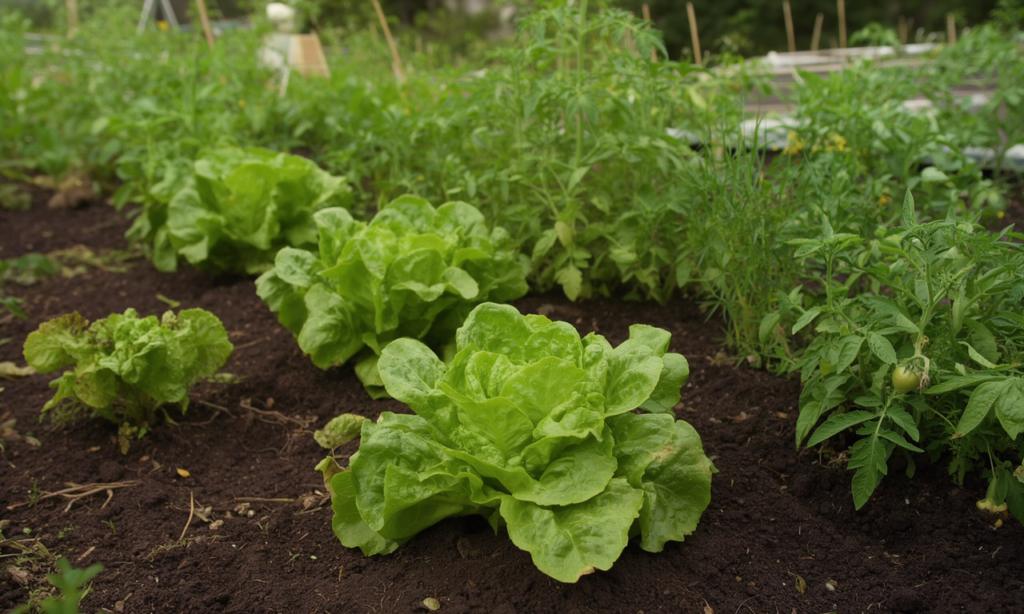
The name comes from the way the garden bed is built in layers, like a pan of lasagna. Instead of digging up the ground and working the soil the hard way, you lay materials down in layers and let them break down over time. Those layers smother existing growth, feed the soil, and gradually create a rich planting area.
It is part sheet mulching, part compost building, and part bed creation all rolled into one. For gardeners who do not want to till, dig, or wrestle with poor soil more than they have to, lasagna gardening can be a very appealing method.
It is also one of those gardening methods that sounds almost too easy, which makes some people suspicious. But the basic idea is sound. Cover what is there, layer on organic matter, let nature go to work, and plant into the improved space.
What Lasagna Gardening Is
Lasagna gardening is a no-dig method of building a garden bed by layering organic materials directly on top of the ground.
Usually, the first layer is something that helps smother grass or weeds, such as cardboard or several sheets of newspaper. After that, you alternate layers of carbon-rich and nitrogen-rich materials. Over time, those layers start to decompose, feeding the soil underneath and creating a softer, richer growing area.
You are basically building soil from the top down instead of digging it up from the bottom.
That is what makes this method attractive to so many people. It works with the soil instead of picking a fight with it.
How It Works
The bottom layer helps block light and suppress whatever is already growing there. Grass, weeds, and other plant growth are smothered underneath the layers.
Then the organic materials above begin to break down. Earthworms, microbes, insects, moisture, and time all help with that process. As the layers settle and decompose, they feed the soil food web and improve the texture of the bed.
Over time, the whole thing starts turning into a rich planting area with better structure and more organic matter than what you may have started with.
That is the beauty of it.
You are not just making a bed for this season. You are improving the ground underneath too.
What Goes Into a Lasagna Garden
A lasagna garden is usually built with alternating “brown” and “green” materials.
Brown materials are carbon-rich, such as:
- shredded leaves
- straw
- torn cardboard
- newspaper
- dried plant matter
- wood chips in some cases
Green materials are nitrogen-rich, such as:
- grass clippings
- kitchen scraps
- manure from safe sources
- coffee grounds
- fresh plant trimmings
Some gardeners also add compost, aged manure, or finished soil between layers to help the process along.
You do not have to build it with mathematical perfection. This is gardening, not chemistry class. The main goal is to use a good mix of materials that will break down well and create a healthy bed over time.
That said, you do want to use some common sense. Do not load the thing up with diseased plant matter, aggressive weeds gone to seed, or materials you would not want in your garden soil later.
Why People Like Lasagna Gardening
One of the biggest reasons people love this method is that it lets them make a garden bed without digging up the yard like a crazed badger.
That alone is enough to win some people over.
It can also be useful if:
- your soil is poor
- your ground is compacted
- you are trying to convert lawn into garden
- you want to build organic matter
- you are trying to avoid tilling
- you have access to lots of leaves, clippings, cardboard, or compostable material
Lasagna gardening can also be easier on the body than traditional digging and tilling. For gardeners with back problems, limited strength, or just a healthy dislike of unnecessary labor, that matters.
And from a practical standpoint, it can be a good way to use materials you may already have on hand.
The Good Side of Lasagna Gardening
This method has several real advantages.
It helps suppress weeds. It builds soil over time. It can improve moisture retention. It makes use of organic materials that might otherwise be discarded. And it encourages a more natural soil-building process instead of constant disturbance.
It is also flexible. You can build a lasagna bed in a large garden area, in a smaller backyard plot, around ornamentals, or even in a spot where the native soil is not very cooperative.
Another thing people like is that it can be started in fall and left to mellow through winter, which gives everything time to break down before spring planting. That is honestly one of the nicest ways to do it if you can plan ahead.
By spring, those layers have started settling into something far more plantable than a fresh pile of cardboard and yard scraps.
The Not-So-Magical Side
Now for the part that gets glossed over in the dreamy articles.
Lasagna gardening is not instant magic.
If you throw together a rough pile of half-broken materials and expect it to behave like perfect finished garden soil right away, you may be disappointed. A freshly layered bed can be lumpy, uneven, and still in the early stages of decomposition.
This method works best when given some time.
It can also attract slugs or other moisture-loving pests if it stays too wet or if the layers are heavy and dense. If you use poor materials, bad manure, or weedy inputs, you can create problems for yourself instead of solving them.
And if you are planting immediately, you may need to top the bed with compost or finished soil so seeds and seedlings have a better place to get started.
That is one of the big practical distinctions. A bed built for future planting is one thing. A bed built today that you want to plant tomorrow may need a little extra finishing help.
Best Uses for Lasagna Gardening
Lasagna gardening works especially well when:
- you are starting a brand-new bed
- you want to convert lawn to garden
- you are building a seasonal bed in place
- you want to improve soil gradually
- you have lots of organic materials available
- you prefer no-dig methods
It can be used for vegetables, herbs, flowers, or mixed plantings. It is especially useful for gardeners who think long-term and do not mind letting nature do some of the heavy lifting.
If you are patient, it can be a very effective way to create a productive growing space without tearing everything up first.
Is It the Same as Composting?
It is closely related, but not exactly the same thing.
A compost pile is usually built to break materials down first and then be spread onto the garden later.
A lasagna garden is built right where the garden bed is going to be. The decomposition happens in place.
So yes, composting is part of the idea, but the end goal is not just finished compost. The end goal is a functioning garden bed.
Is Lasagna Gardening Right for You?
Lasagna gardening may be a good fit if:
- you want a no-dig approach
- you are trying to build better soil
- you have access to layering materials
- you are patient enough to let the bed develop
- you want to turn lawn into garden without major excavation
It may be less appealing if:
- you want instant results with very little setup
- you do not have enough organic materials
- you dislike a rough-looking bed while it is settling
- you want a highly polished, ready-to-plant bed immediately
Like most gardening methods, it is not the only good way to grow. But it can be a very smart way to build a bed, especially when the native ground needs help and you do not feel like digging half the county up to make progress.
Final Thoughts
Lasagna gardening is a practical no-dig method for building garden beds by layering organic materials directly on top of the ground.
It can suppress weeds, improve soil, build organic matter, and make use of materials you may already have on hand. It is not instant perfection, and it works best when given time, but it can be a very effective way to create a healthier growing space without tilling and digging everything to death.
If you like the idea of building soil, working with nature, and letting decomposition do part of the job for you, lasagna gardening may be well worth a try.
For More Information: