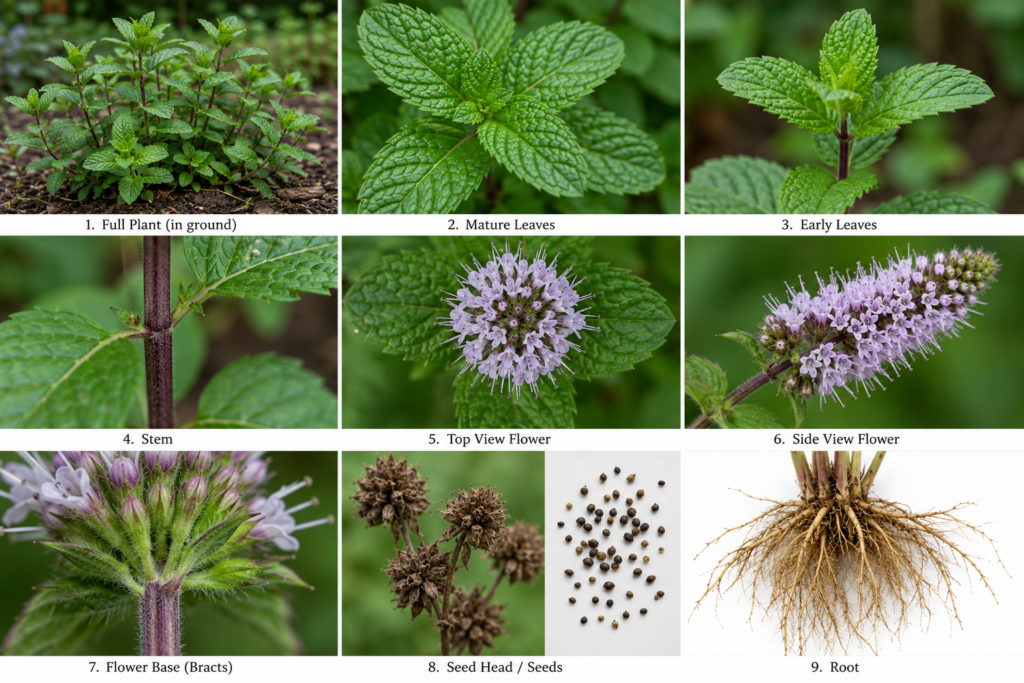
Medicinal Herb Profile of Peppermint
Herb Overview
| Common Names: | Peppermint |
| Botanical Name: | Mentha × piperita |
| Plant Family: | Lamiaceae |
| Origins: | Natural hybrid of watermint and spearmint originating in Europe; now widely cultivated worldwide |
| Parts Used: | Leaves, flowering tops |
| Primary Preparations: | Tea, tincture, glycerite, infused oil, salve, steam, syrup |
Plant Identification
Full Plant (in ground): 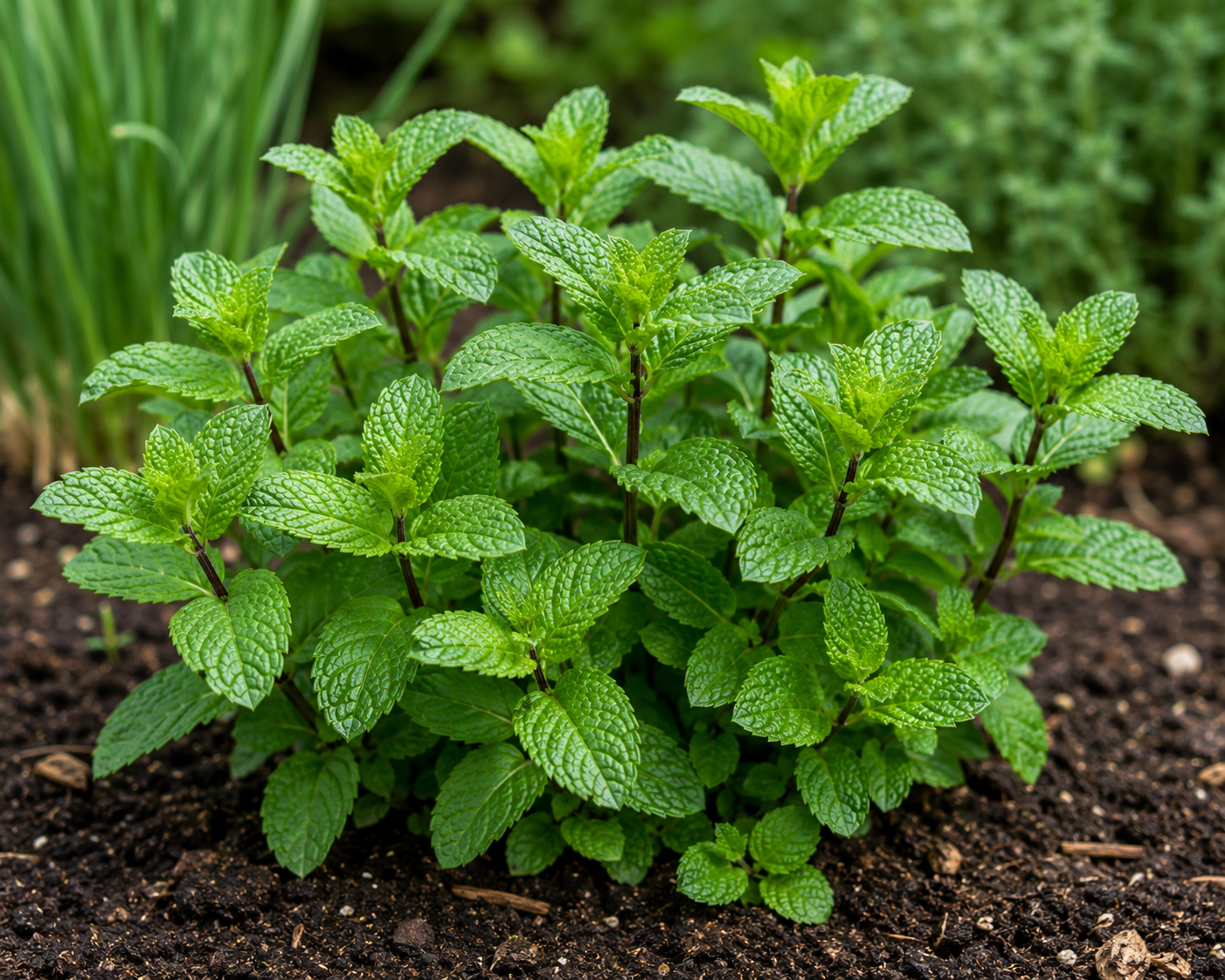
Upright spreading perennial herb with square stems, sharply scented leaves, and spikes of pale purple flowers.
Leaves (mature): 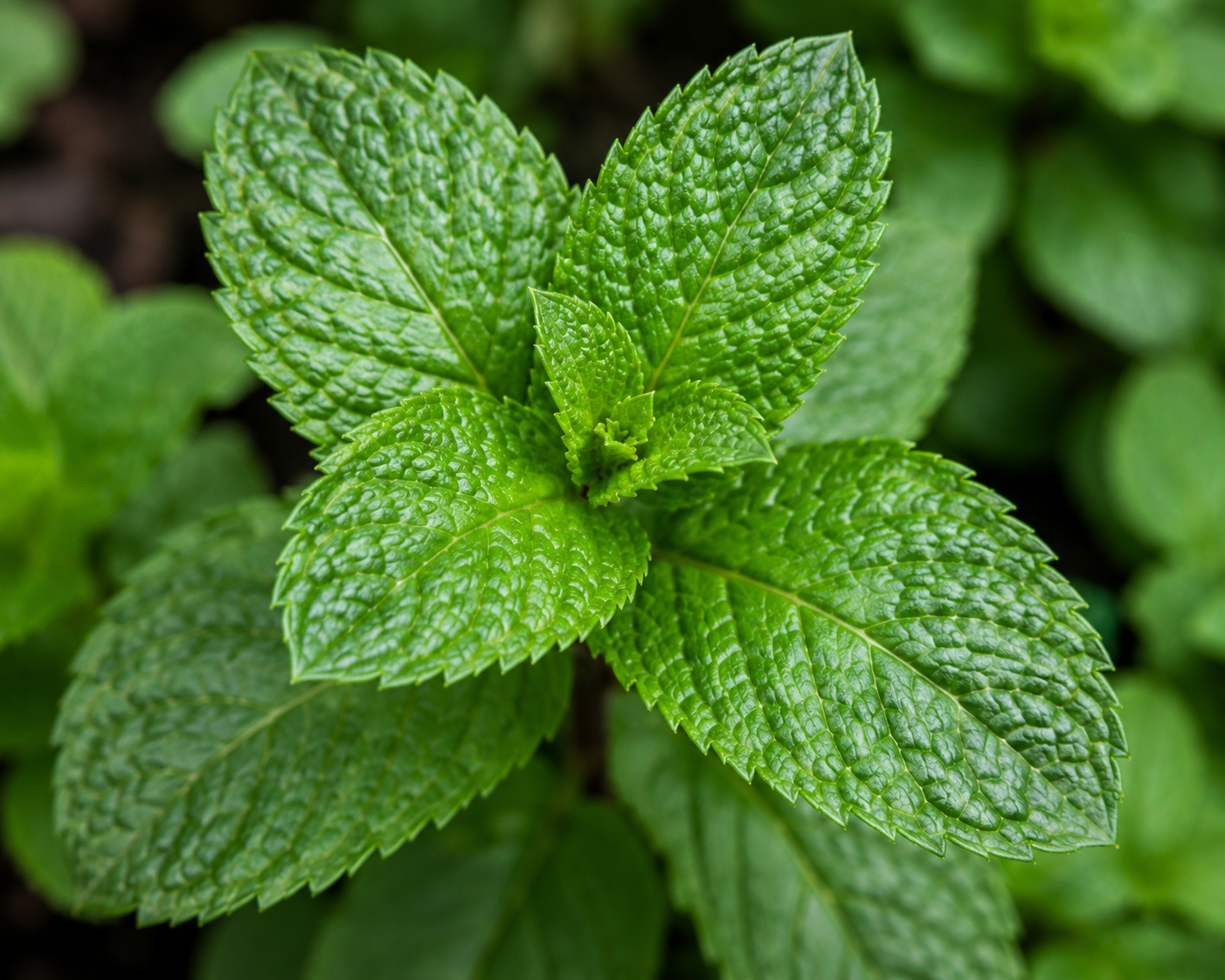
Deep green oval leaves with serrated edges and pronounced veins. Leaves release a strong minty aroma when crushed.
Leaves (early growth): 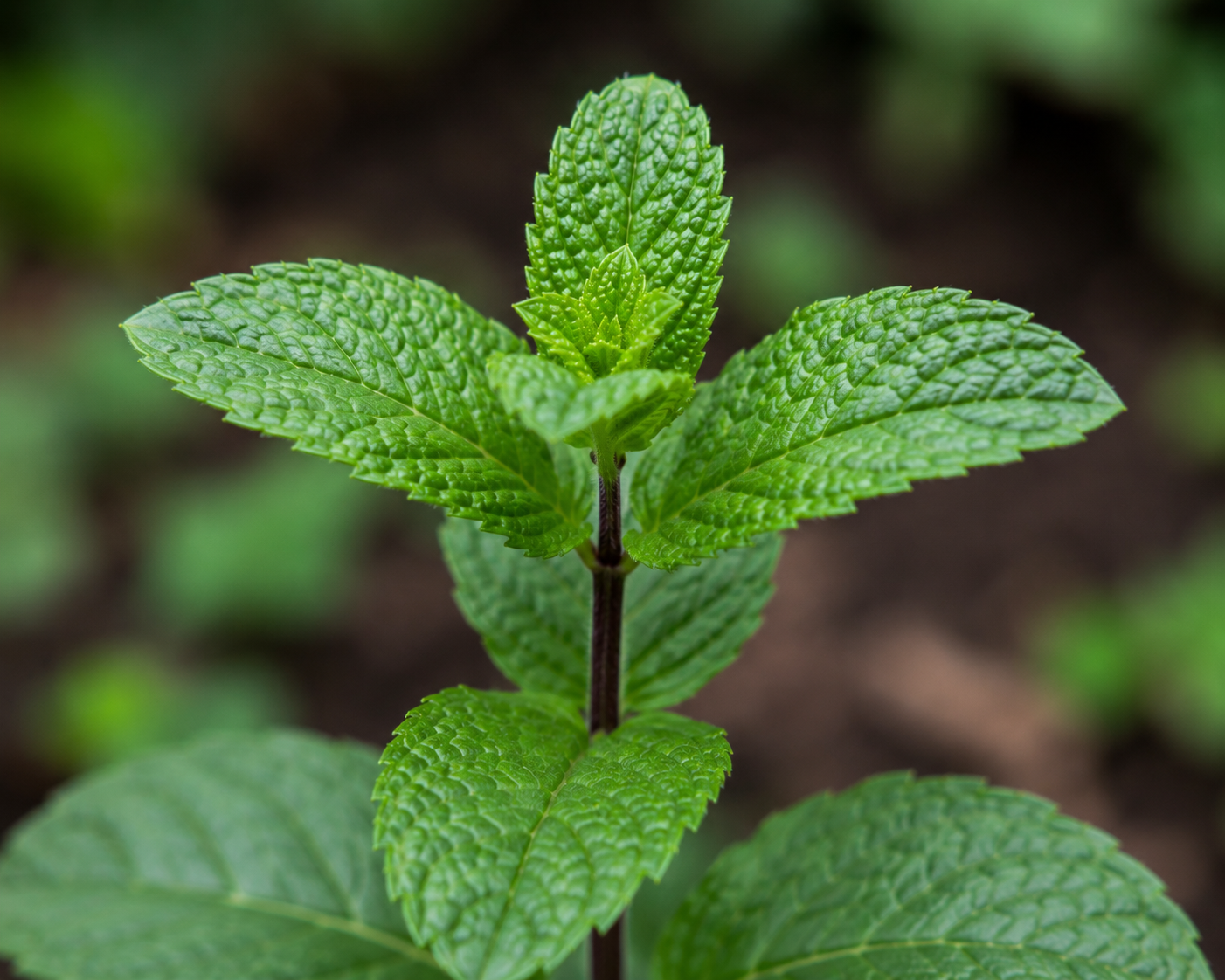
Young leaves are tender, bright green, and highly aromatic.
Stem: 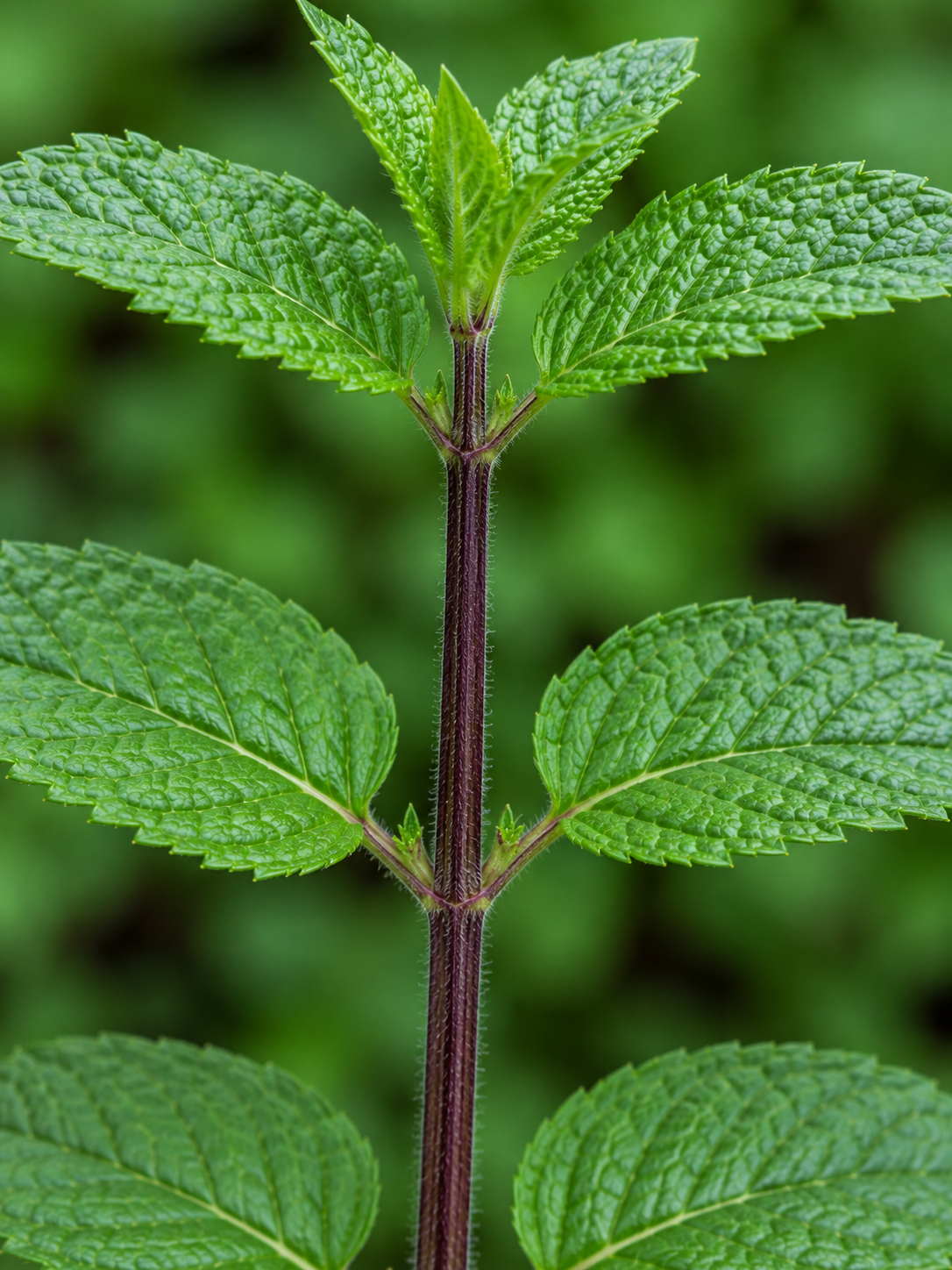
Square stems often tinged purple or reddish, typical of the mint family.
Flower (Top View): 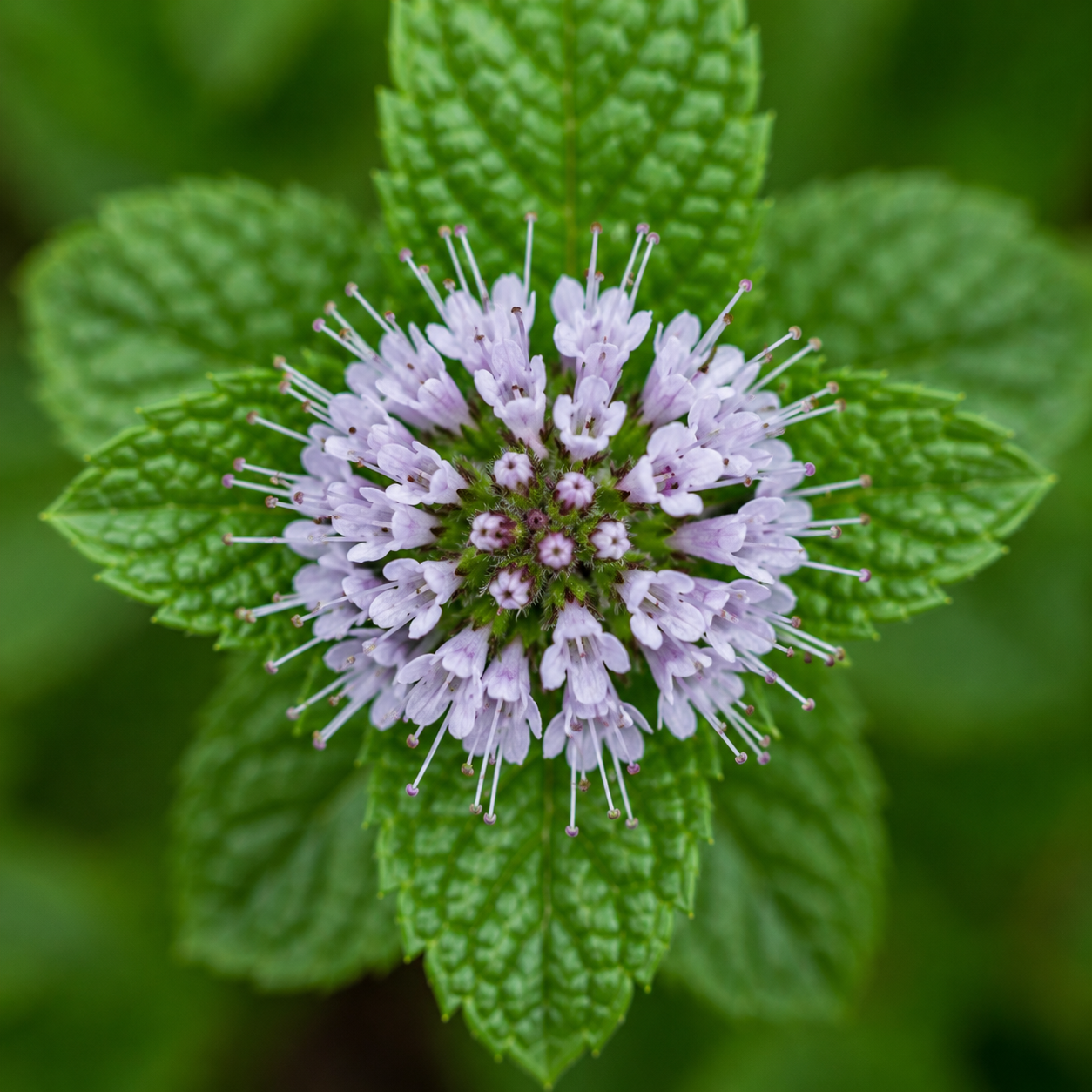
Dense spikes of tiny pale purple to pinkish flowers.
Flower (Side View): 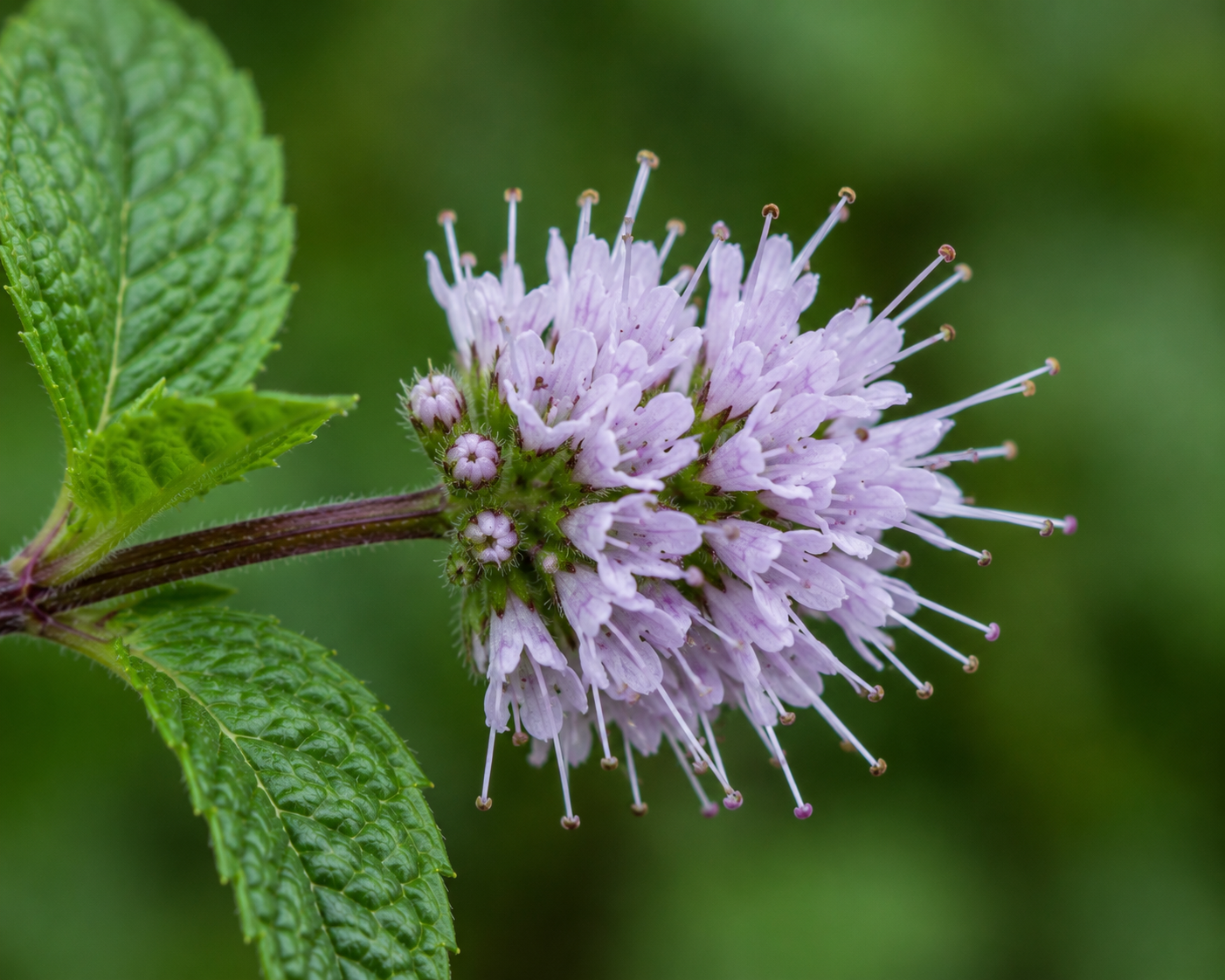
Small tubular flowers arranged along upright terminal spikes.
Flower Base (bracts):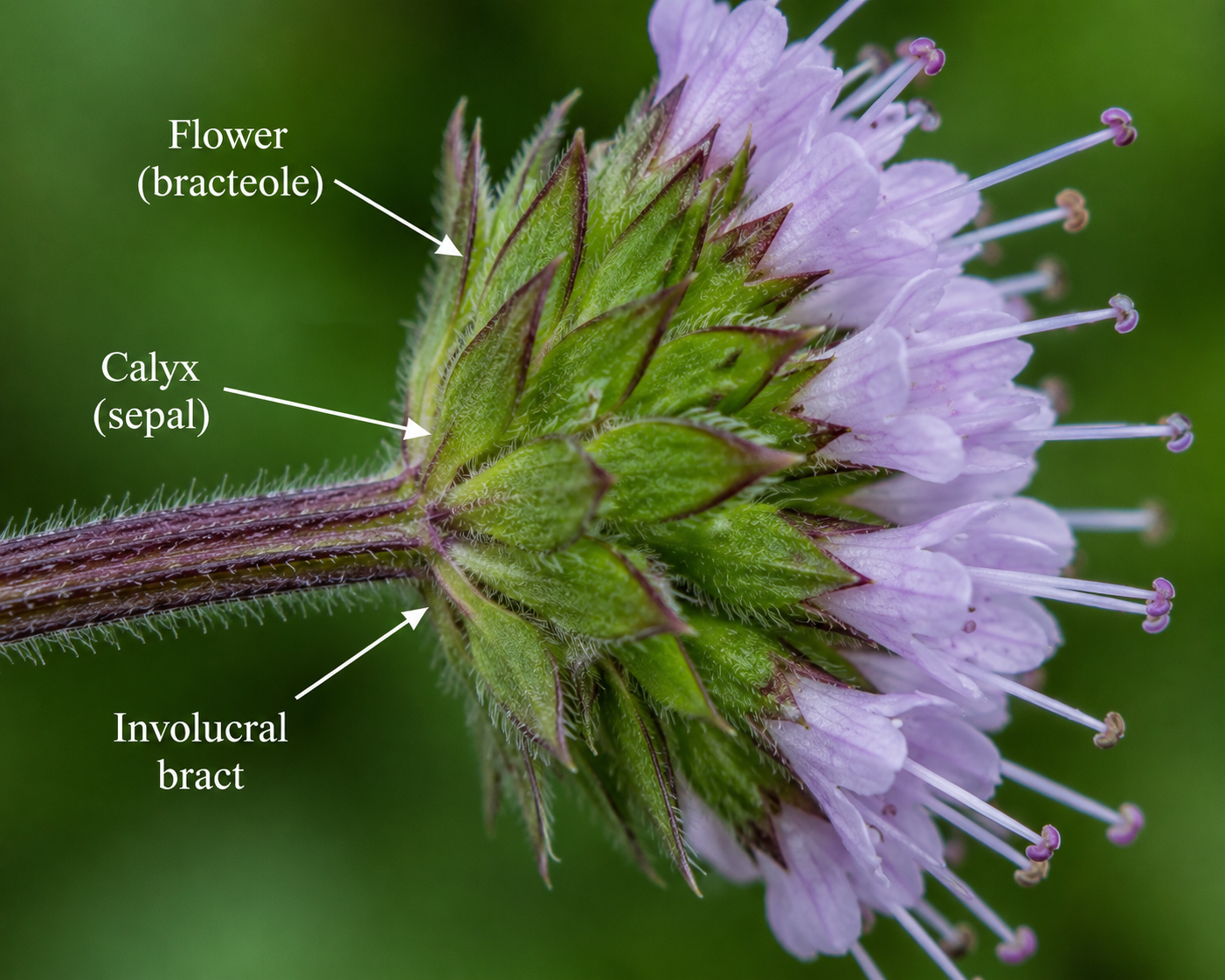
Tiny green bracts beneath flower clusters.
Seed Head / Seeds: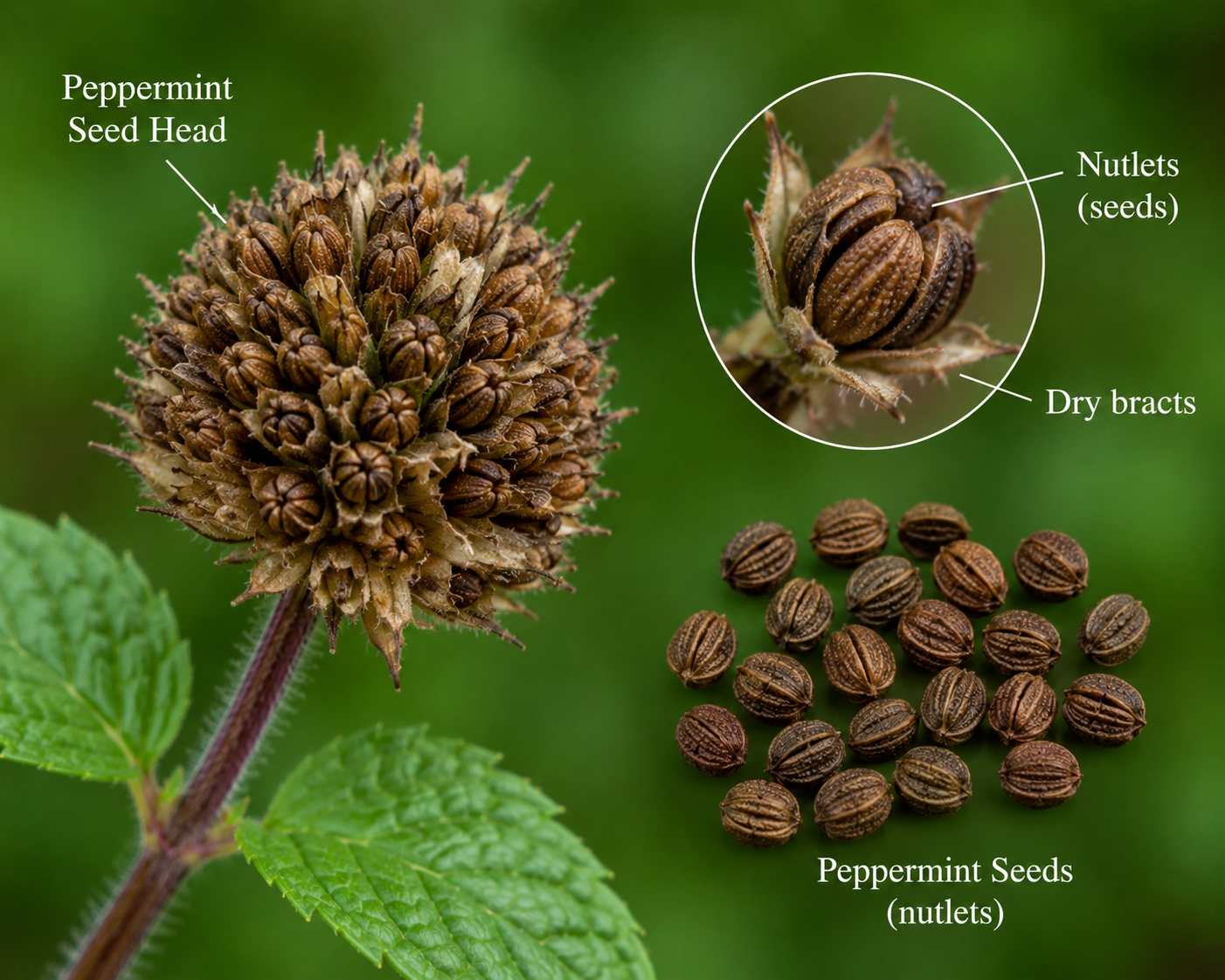
Peppermint rarely produces viable seed because it is a hybrid; spreads mainly by runners.
Root: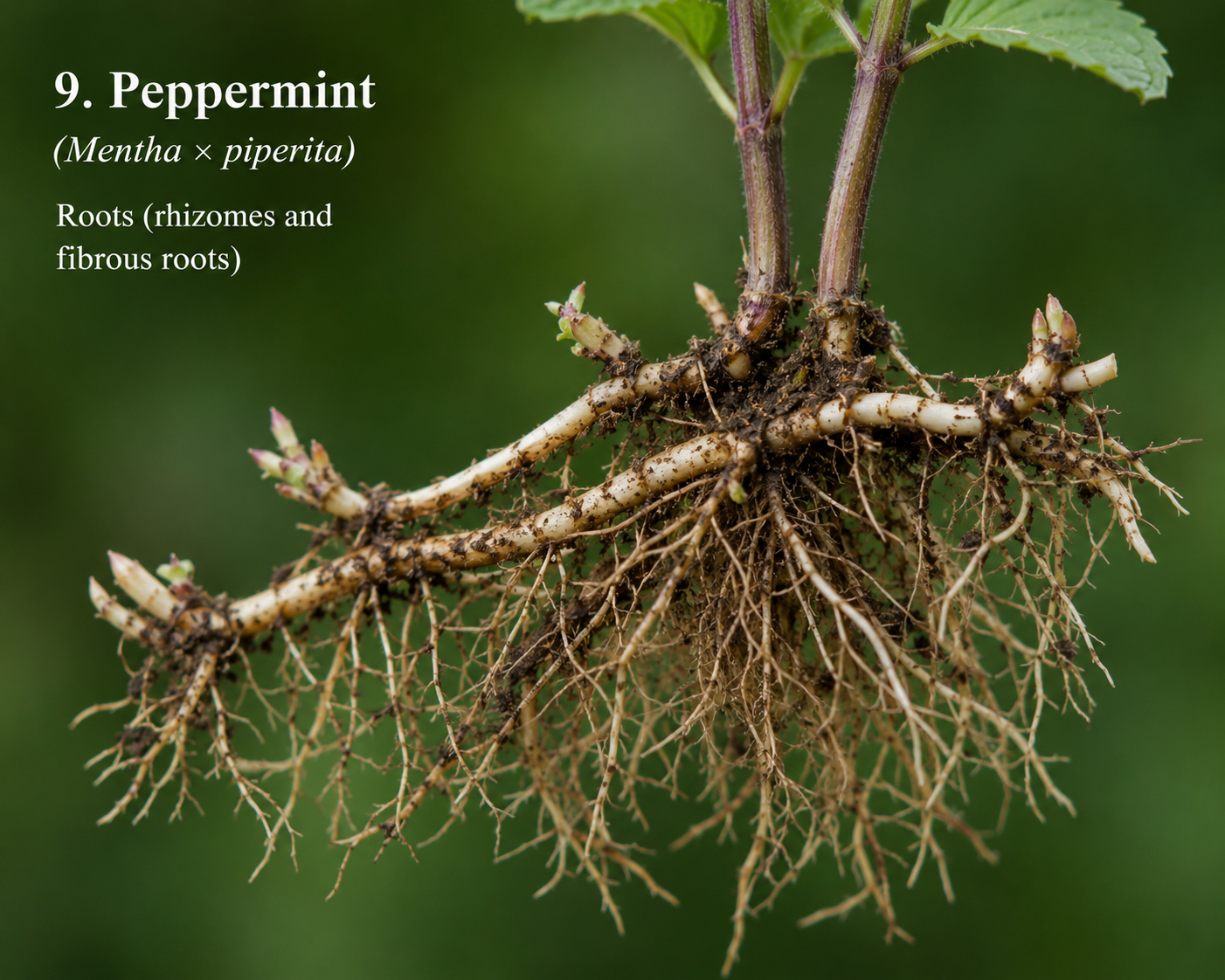
Aggressive spreading rhizomes and shallow fibrous roots.
| Growth Form: | Fast-spreading perennial herb. |
| Typical Size: | Usually 1–3 feet tall; spreads aggressively outward. |
| Aroma/Smell: | Strong cooling mint scent with sharp menthol notes. |
| Where it Commonly Grows: | Herb gardens, containers, moist garden beds, near water sources, and occasionally escaped cultivation. |
| Common Lookalikes: | Other mints resemble peppermint, but peppermint has a stronger cooling menthol aroma and darker stems than many common mint varieties. |
| Foraging Safety Note: | Properly identify before harvesting. Mints hybridize easily, so scent is one of the best identification clues. Avoid harvesting from contaminated or sprayed areas. Never forage any plant unless you are completely certain of identification. Use multiple features, not just one. |
What It’s Used For
| Traditionally Used For: | – Digestive discomfort – Gas and bloating – Nausea – Seasonal discomfort – Sinus Congestion – Headaches – Cooling – General digestive wellness |
How It Works:
| It Works By: | Peppermint has traditionally been used as a cooling aromatic herb. Its volatile oils, especially menthol, contribute to its long history of use in digestive, respiratory, and soothing herbal preparations. |
How to Use It
| Tea: | 1–2 teaspoons dried leaves per cup of hot water; steep covered 5–10 minutes. Traditionally used up to 3 times daily. |
| Decoction: | NA |
| Tincture: | Traditionally used in small amounts, often 20–40 drops up to 3 times daily. |
| Glycerite: | Common alcohol-free preparation option. |
| Infused Oil: | Leaves infused into carrier oil for external use. |
| Salve/Balm: | Applied externally to sore muscles or cooling preparations. |
| Poultice: | Fresh crushed leaves traditionally applied externally. |
| Compress/Fomentation: | Strong tea applied externally with cloth. |
| Syrup: | Frequently included in soothing herbal syrups. |
| Oxymel: | Sometimes combined with vinegar and honey in traditional blends. |
| Powder: | Dried powdered leaf occasionally used in capsules or blends. |
| Capsule: | Available in commercial herbal preparations. |
| Fresh Use: | Fresh leaves commonly used in teas, drinks, desserts, and culinary dishes. |
Safety & Considerations
| Avoid If: | Use caution with severe acid reflux or hiatal hernia. Avoid concentrated peppermint oil internally unless professionally directed. |
| Possible Side Effects: | Heartburn, stomach irritation, allergic reaction, or skin irritation in sensitive individuals. |
| Interactions with Pharmaceuticals, OTCs, and Other Herbs: | Use caution with antacids, acid reflux medications, and herbs or medications affecting stomach acid. |
| General Safety Note: | Peppermint is widely used traditionally and culinarily but should still be used responsibly. Discontinue use if irritation or unwanted reactions occur. This information is for educational and traditional-use purposes only and is not medical advice. |
Sourcing:
| Grow It: | How to Grow Peppermint |
| Forage: | Occasionally escapes cultivation near moist disturbed areas |
| Purchase: | Lowe Bridges Farm |
Additional Notes & Information:
Peppermint spreads aggressively and is often best grown in containers to keep it from overtaking garden beds. It has long been one of the most widely used traditional herbs in teas, candies, syrups, and digestive preparations.