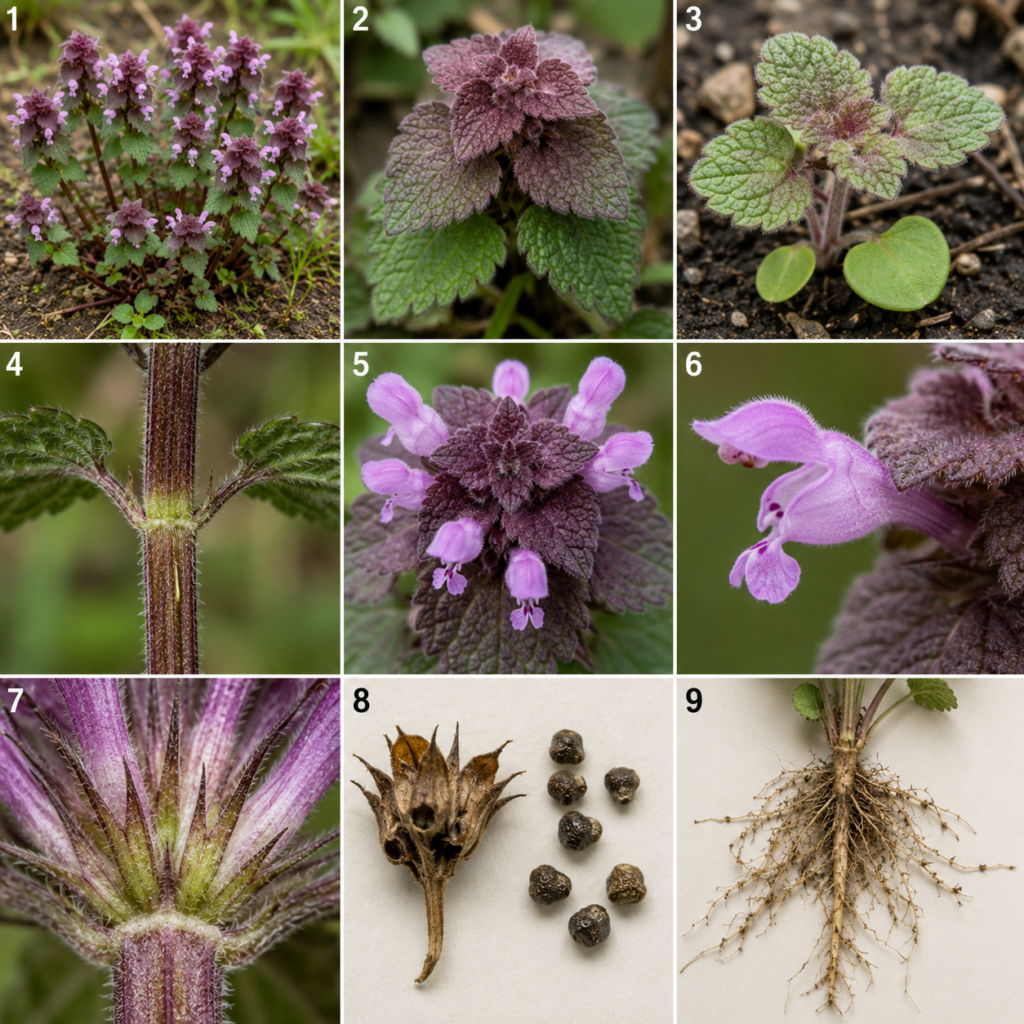
Medicinal Herb Profile of Purple Deadnettle
Herb Overview
| Common Names: | Purple Dead Nettle, Red Deadnettle, Purple Archangel |
| Botanical Name: | Lamium purpureum |
| Plant Family: | Lamiaceae |
| Origins: | Native to Europe and Asia; now widespread across North America and many temperate regions |
| Parts Used: | Leaves, stems, flowering tops |
| Primary Preparations: | Tea, tincture, salve, infused oil, poultice |
Plant Identification
Full Plant (in ground): 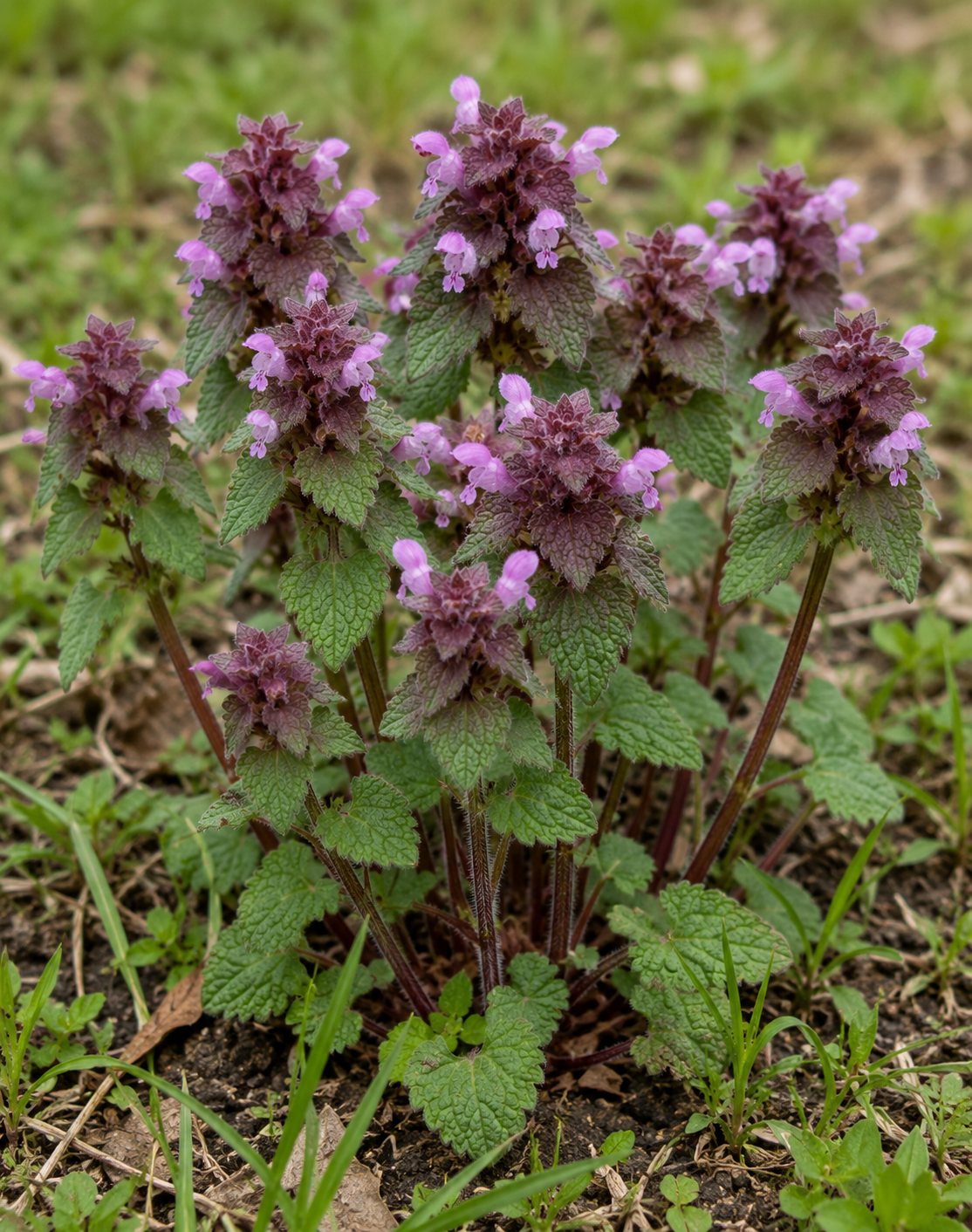
Low-growing annual or biennial herb with square stems, soft fuzzy leaves, and purple-tinted upper growth topped with small pink-purple flowers.
Leaves (mature): 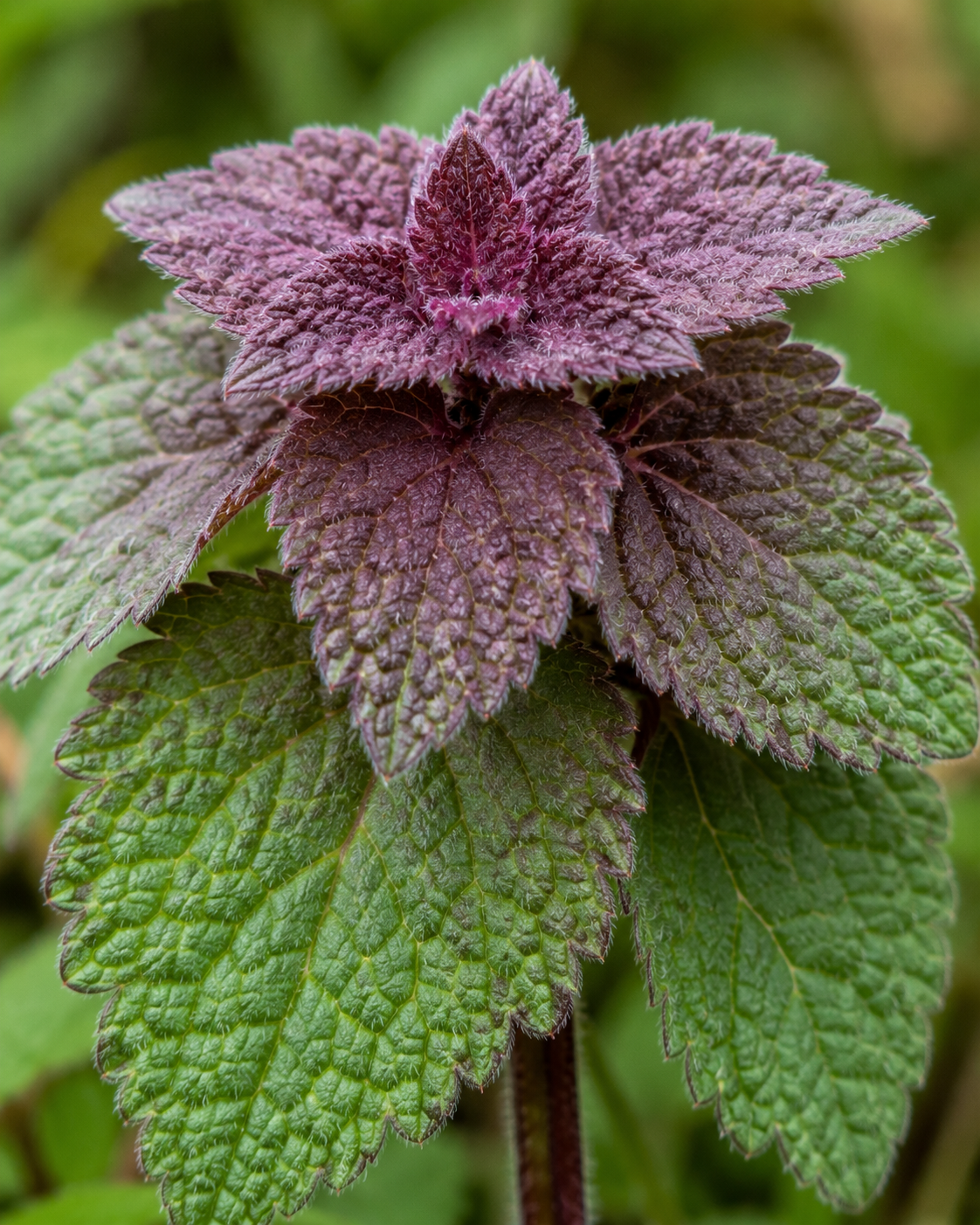
Heart-shaped to triangular leaves with scalloped edges and soft fuzz. Lower leaves are usually green while upper leaves develop purple coloration.
Leaves (early growth): 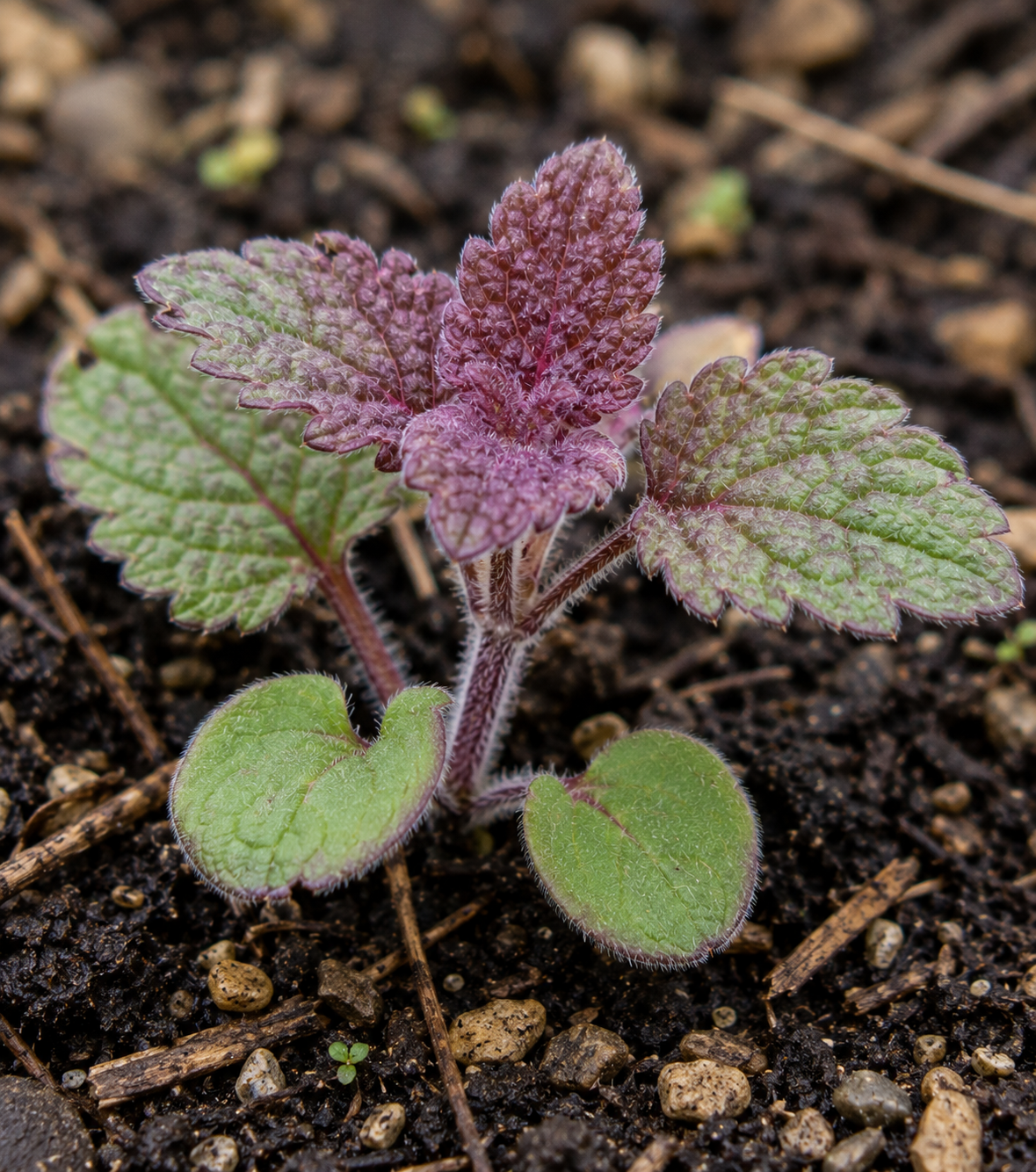
Young leaves appear clustered near the top of the plant and are often bright purple or reddish-purple.
Stem: 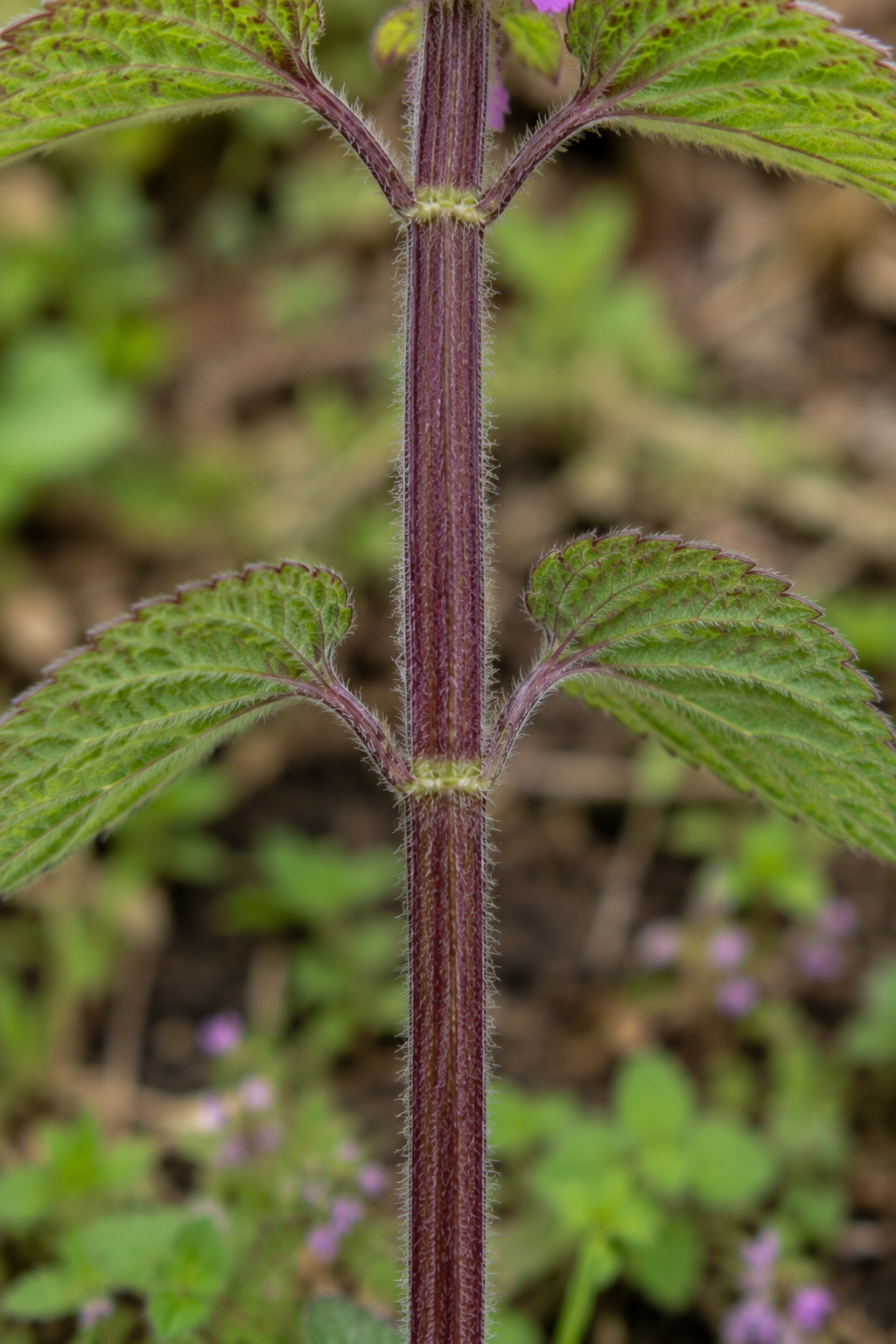
Soft square stems, often green to purplish, typical of the mint family.
Flower (Top View): 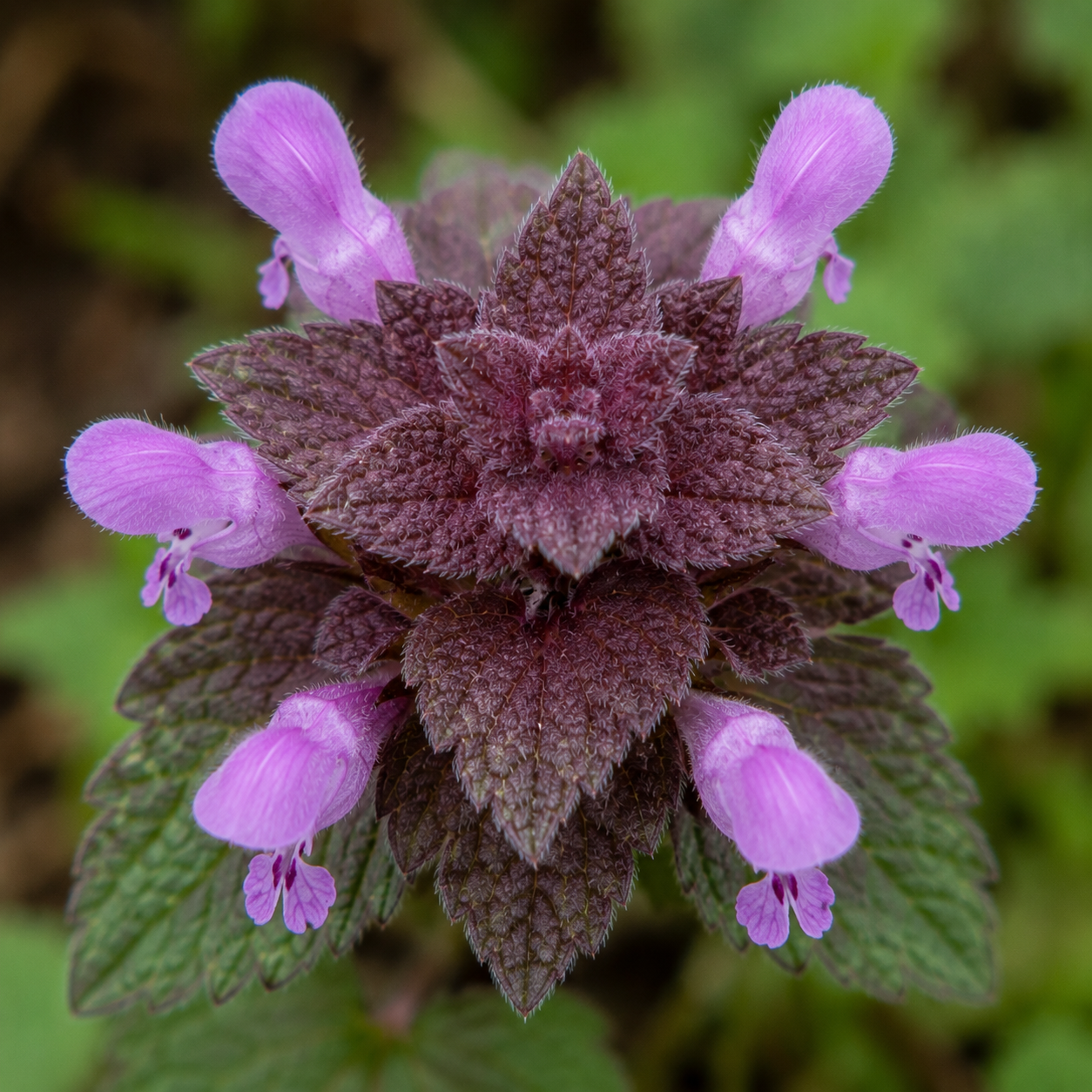
Small tubular pink to purple flowers clustered near the upper leaf nodes.
Flower (Side View): 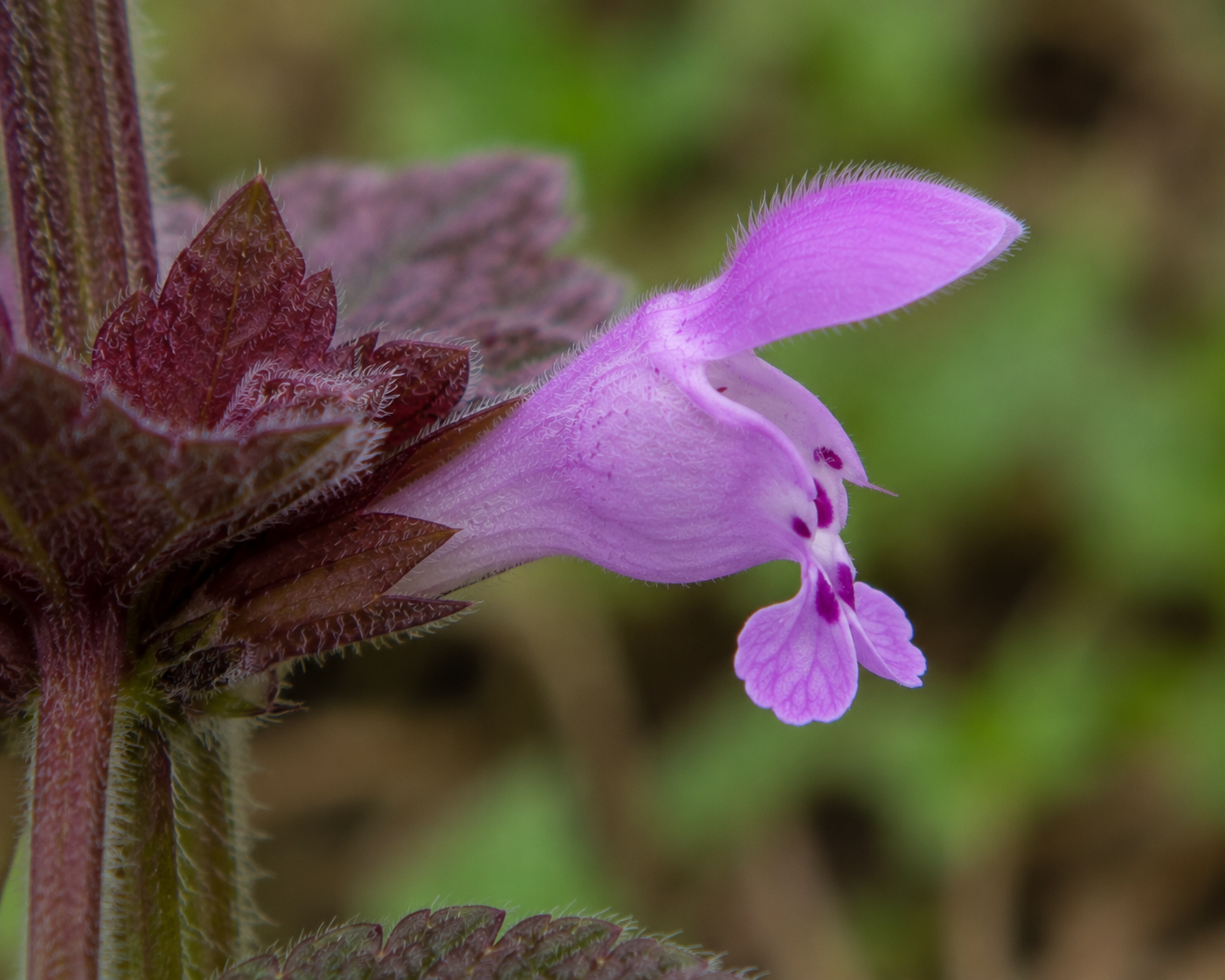
Tiny hooded flowers emerging in rings around the upper stem.
Flower Base (bracts):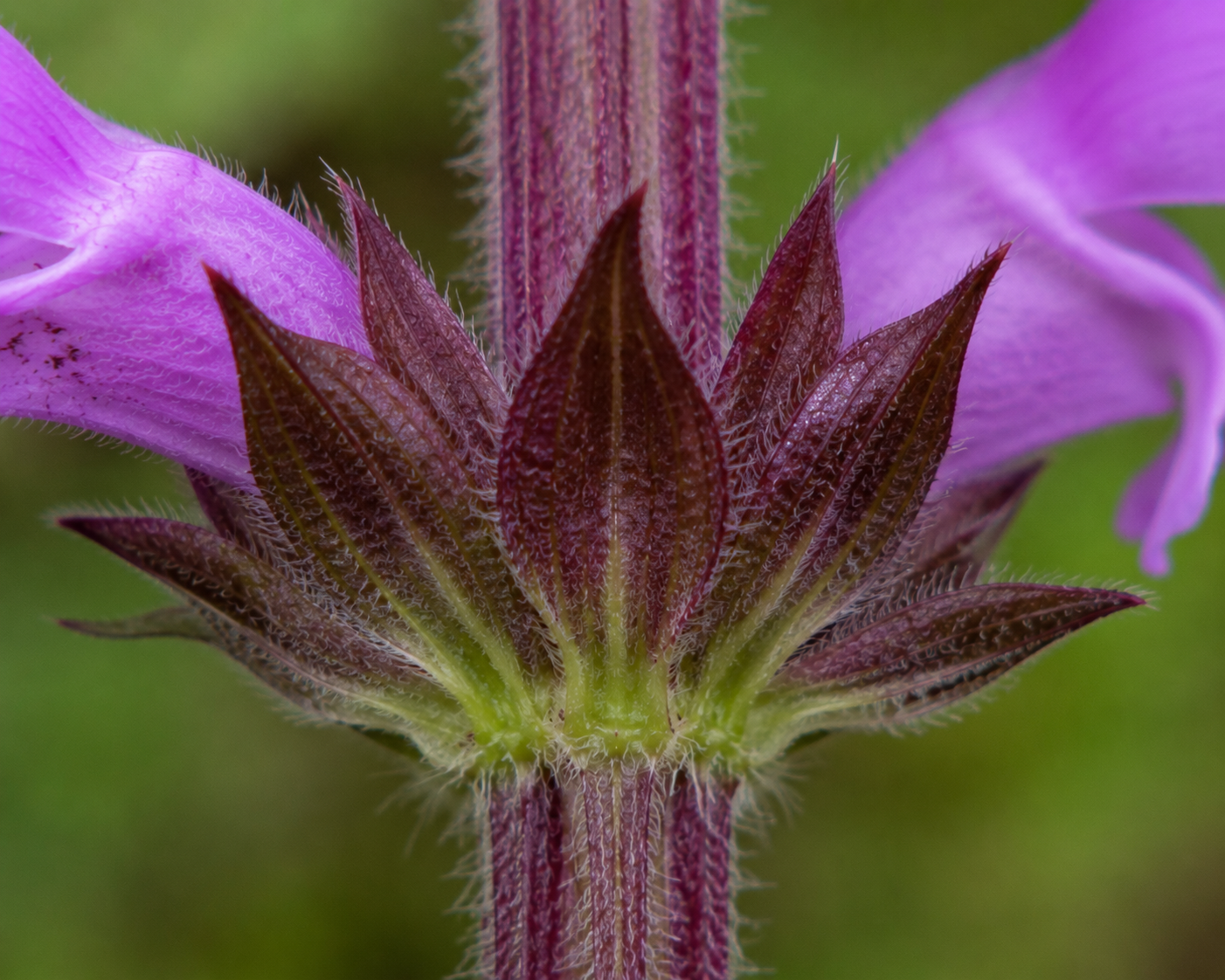
Purple-tinted leafy bracts surrounding flower clusters.
Seed Head / Seeds: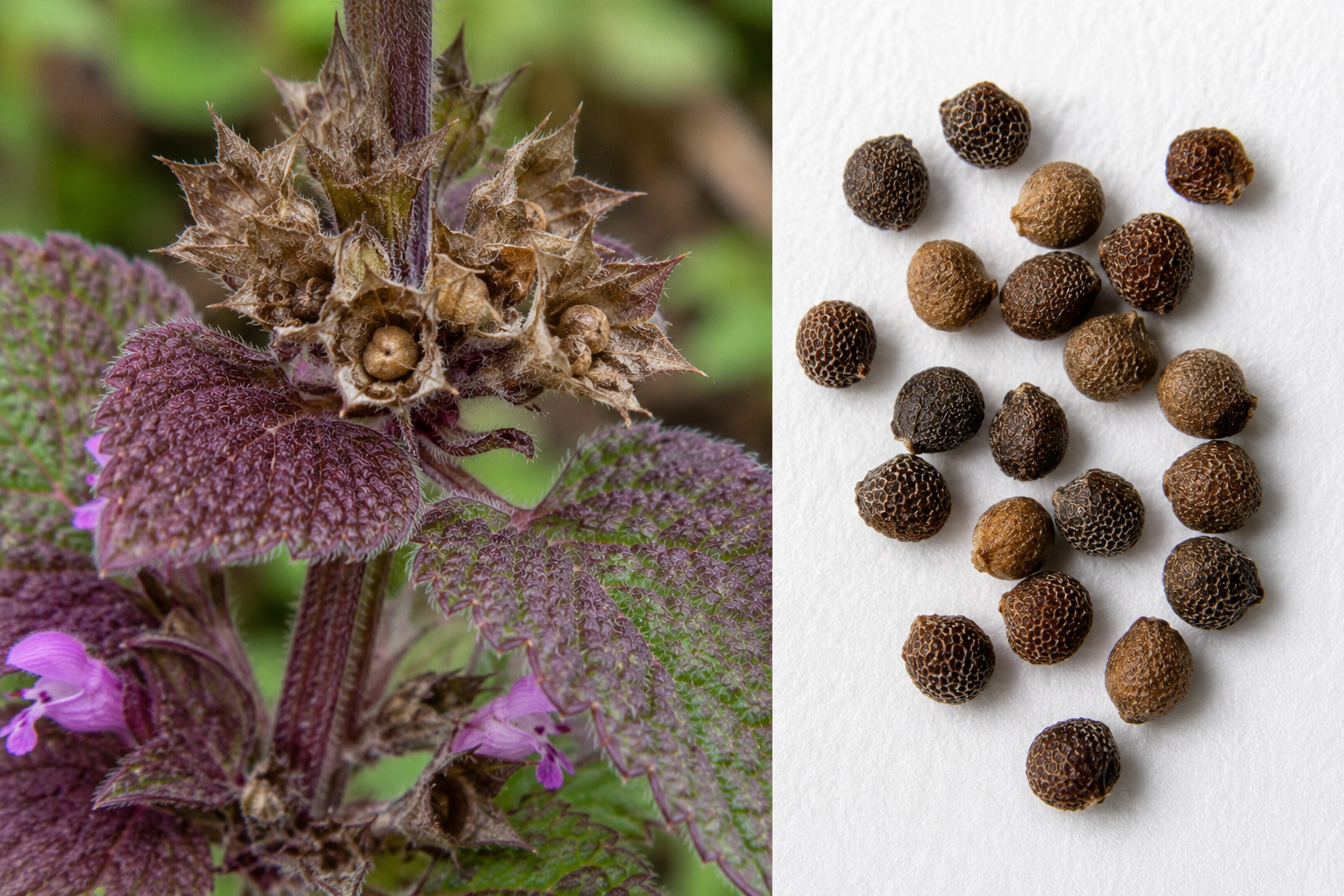
Tiny seeds develop after flowering and spread easily.
Root: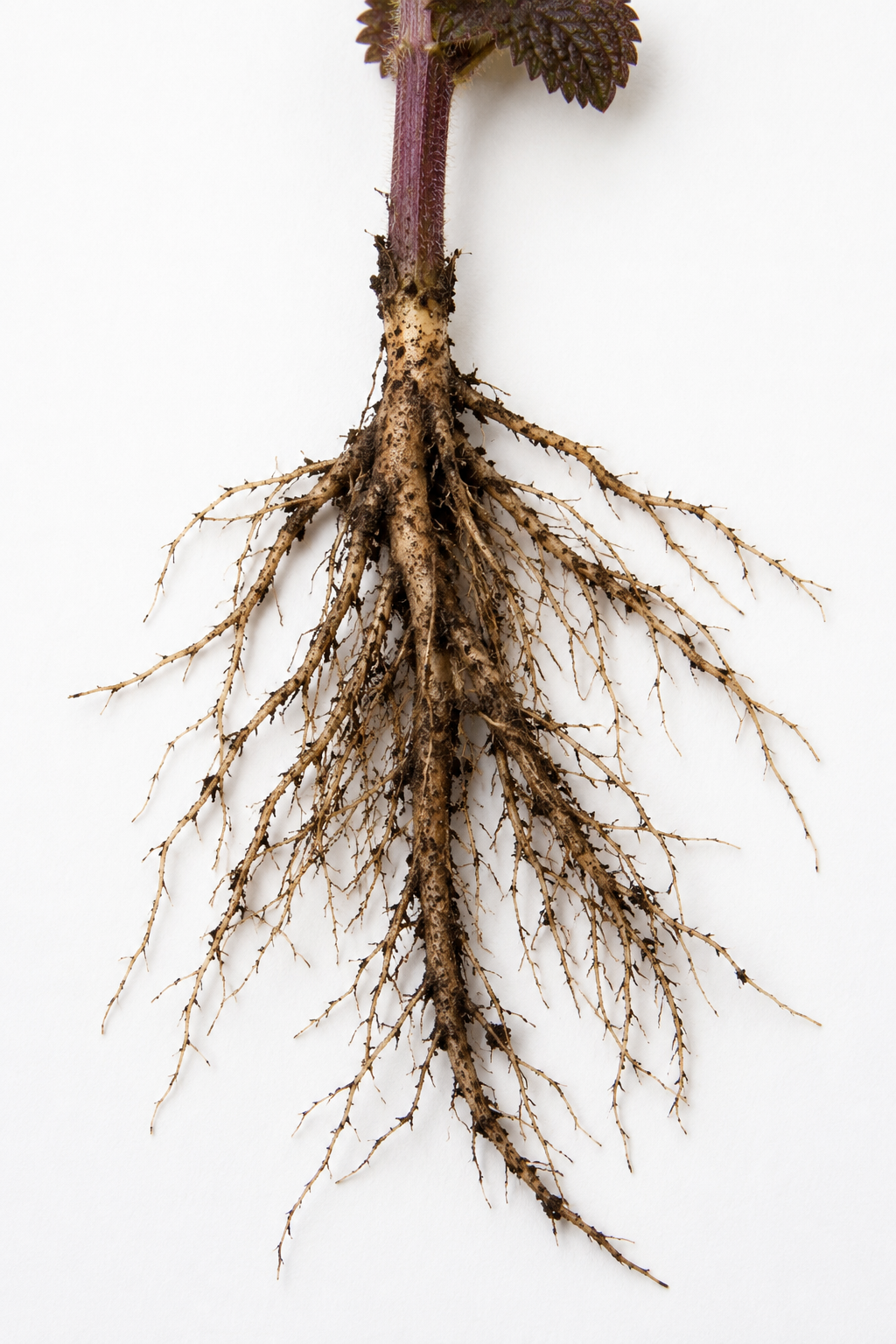
Small fibrous root system with shallow growth habit.
| Growth Form: | Low spreading cool-season annual with upright flowering tops. |
| Typical Size: | Usually 4–12 inches tall. |
| Aroma/Smell: | Mild green or earthy scent when crushed. |
| Where it Commonly Grows: | Lawns, gardens, disturbed soil, roadsides, field edges, pastures, and cool-season open ground. |
| Common Lookalikes: | Henbit is commonly confused with purple dead nettle but has rounded upper leaves that clasp directly around the stem. Purple dead nettle leaves have noticeable leaf stems and more pointed shapes. It is also sometimes mistaken for stinging nettle, but purple dead nettle does not sting. |
| Foraging Safety Note: | Harvest from clean untreated areas away from pesticides, herbicides, pet waste, or roadside contamination. Proper identification is important before use. Never forage any plant unless you are completely certain of identification. Use multiple features, not just one. |
What It’s Used For
| Traditionally Used For: | – Minor wound support – Skin irritation – Mild allergy-season support – Digestive support – General wellness |
How It Works:
| It Works By: | Purple dead nettle has traditionally been used as a mild nutritive and soothing herb. Its cooling and gentle properties made it useful in traditional springtime preparations and external applications. |
How to Use It
| Tea: | 1–2 teaspoons dried aerial parts per cup of hot water; steep covered 10–15 minutes. |
| Decoction: | NA |
| Tincture: | Traditionally used in small amounts, often 20–40 drops up to 3 times daily. |
| Glycerite: | Used as an alcohol-free extract option. |
| Infused Oil: | Flowering tops infused into carrier oil for external preparations. |
| Salve/Balm: | Applied externally to minor irritated skin areas. |
| Poultice: | Fresh crushed herb traditionally applied externally. |
| Compress/Fomentation: | Strong tea applied externally with cloth. |
| Syrup: | Rarely used traditionally. |
| Oxymel: | Occasionally included in spring herbal blends. |
| Powder: | Rarely used powdered. |
| Capsule: | NA |
| Fresh Use: | Young fresh tops traditionally added to salads, pestos, or fresh spring herbal blends in small amounts. |
Safety & Considerations
| Avoid If: | Avoid use if allergic to plants in the mint family. Use caution during pregnancy or with chronic medical conditions unless supervised by a qualified professional. |
| Possible Side Effects: | Mild stomach upset or allergic reaction in sensitive individuals. |
| Interactions with Pharmaceuticals, OTCs, and Other Herbs: | No major commonly known interactions in normal traditional use amounts. |
| General Safety Note: | Proper plant identification is important. Use responsibly and discontinue use if irritation or unwanted reactions occur. This information is for educational and traditional-use purposes only and is not medical advice. |
Sourcing:
| Grow It: | How to Grow Purple Deadnettle |
| Forage: | Common in lawns, gardens, disturbed ground, roadsides, and cool-season open areas |
| Purchase: | Lowe Bridges Farm |
Additional Notes & Information:
Purple dead nettle is often considered a weed, but it has a long history of traditional use and is one of the earliest spring greens available in many areas. Its early blooms also provide an important food source for pollinators emerging after winter.