Medicinal Profile of Lemon Balm
Herb Overview
| Common Names: | Lemon Balm, Balm, Sweet Balm, Melissa |
| Botanical Name: | Melissa officinalis |
| Plant Family: | Lamiaceae |
| Origins: | Native to southern Europe, the Mediterranean, and western Asia; widely cultivated and naturalized in many temperate regions |
| Parts Used: | Leaves, flowering tops |
| Primary Preparations: | Tea, tincture, glycerite, infused oil, salve, syrup, oxymel |
Plant Identification
Full Plant (in ground): 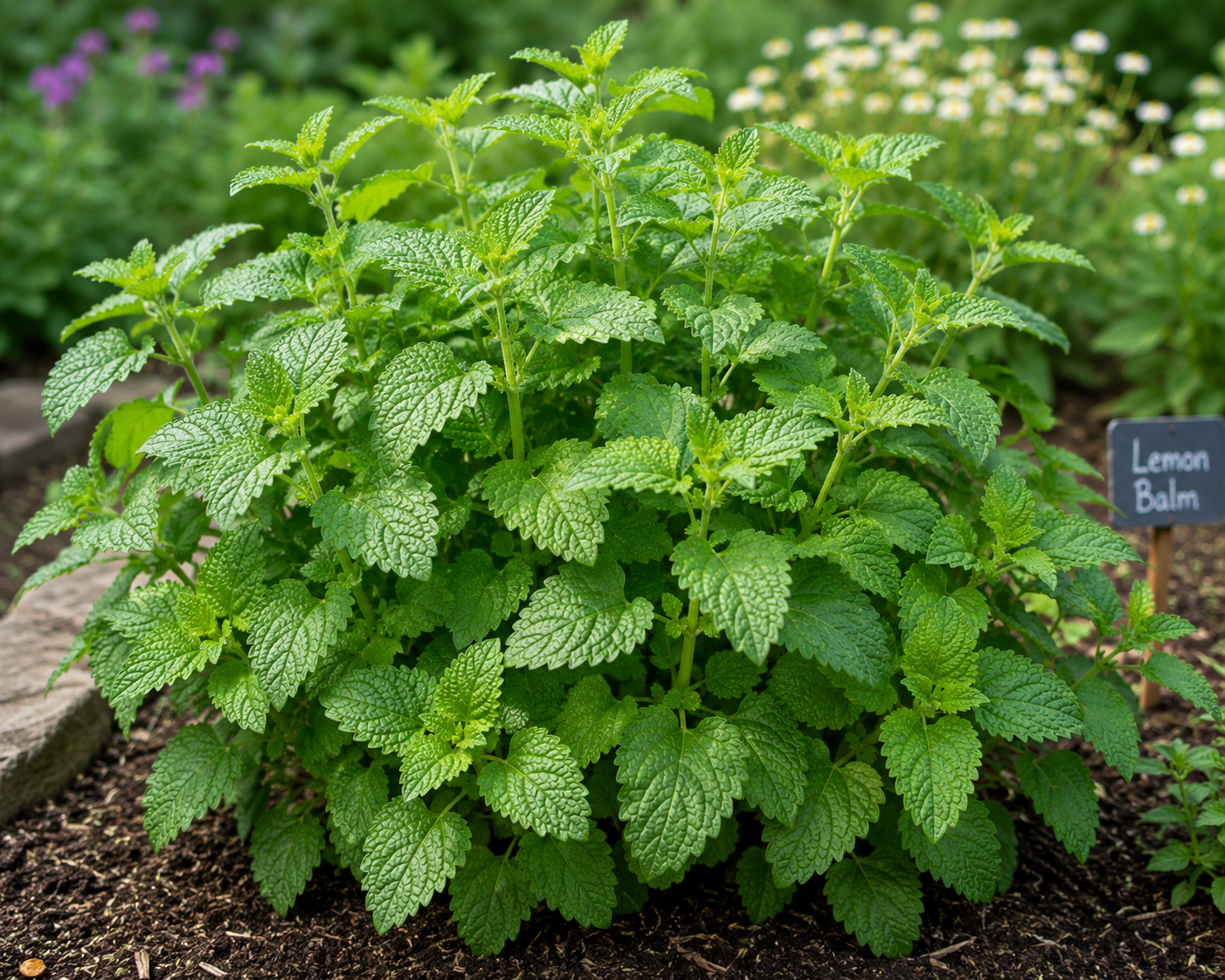
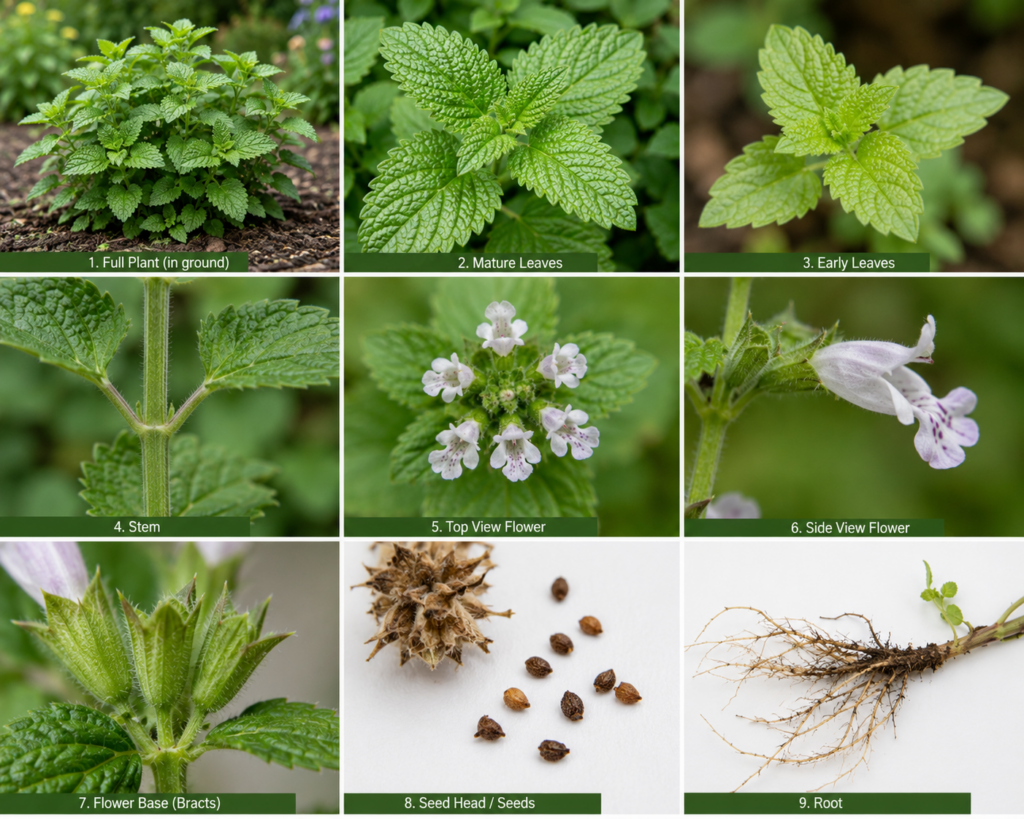
Bushy upright perennial herb with bright green textured leaves and small white flowers.
Leaves (mature): 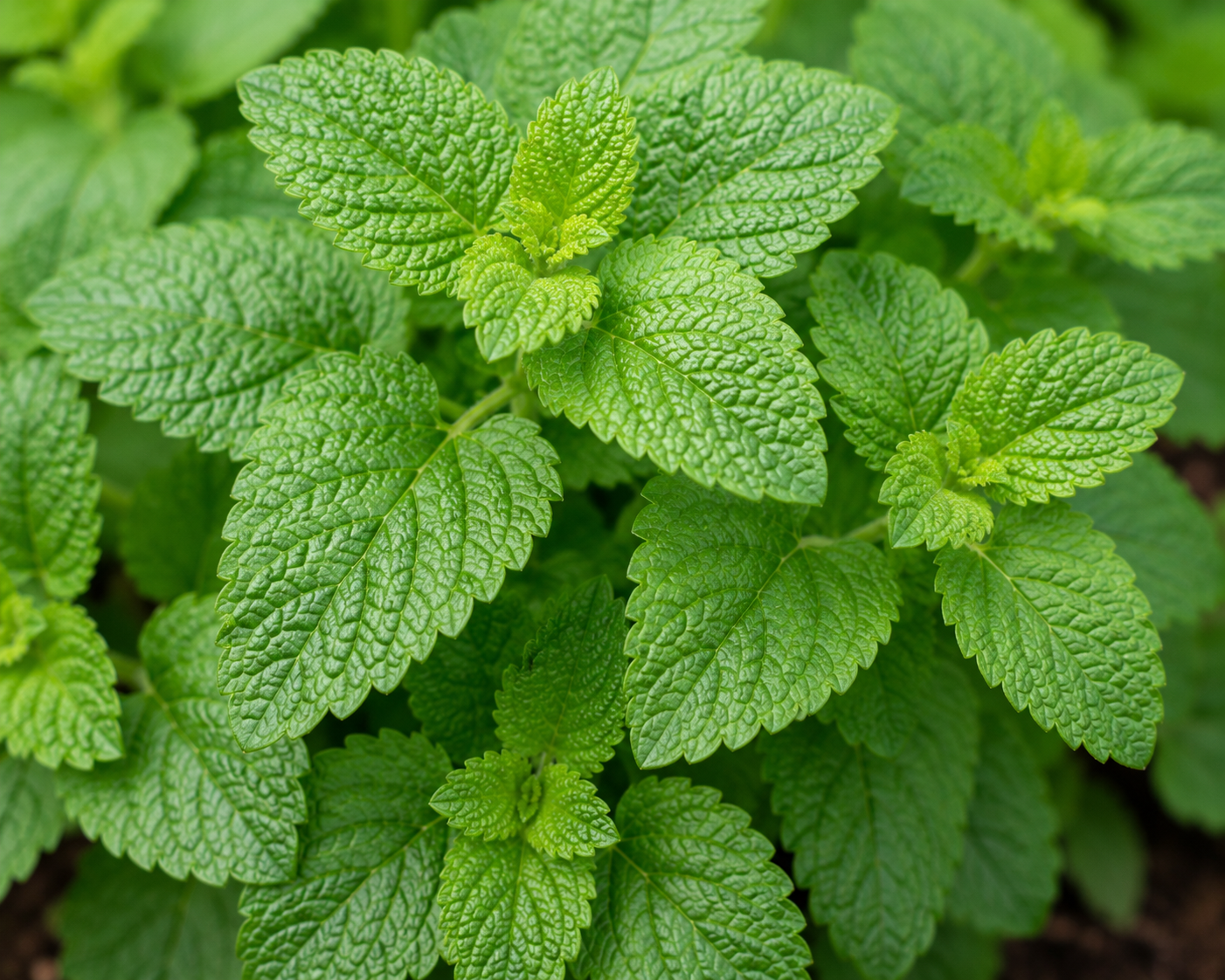
Soft green oval leaves with slightly toothed edges and a wrinkled texture. Leaves release a strong lemon scent when crushed.
Leaves (early growth): 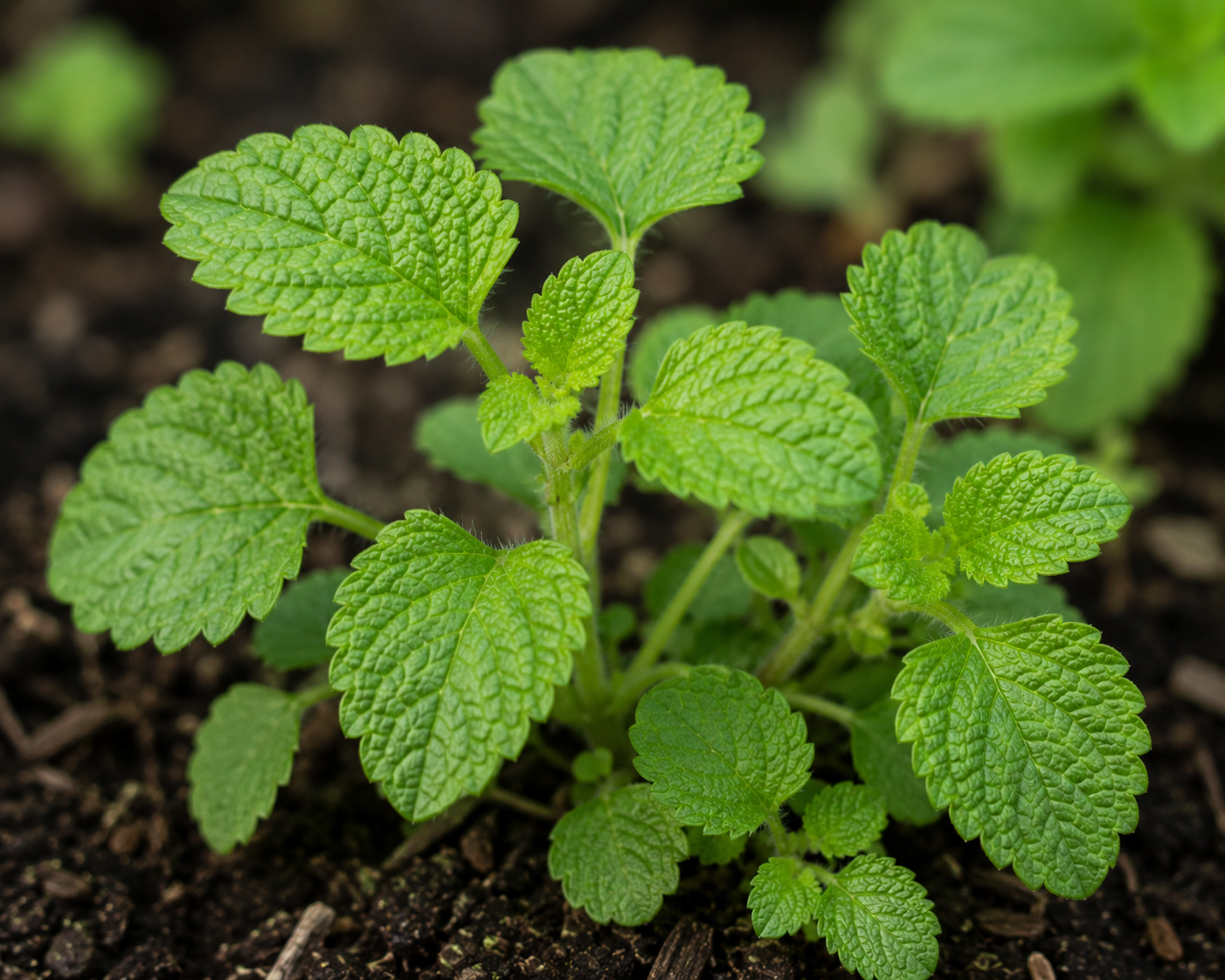
Young leaves are tender, bright green, and strongly fragrant.
Stem: 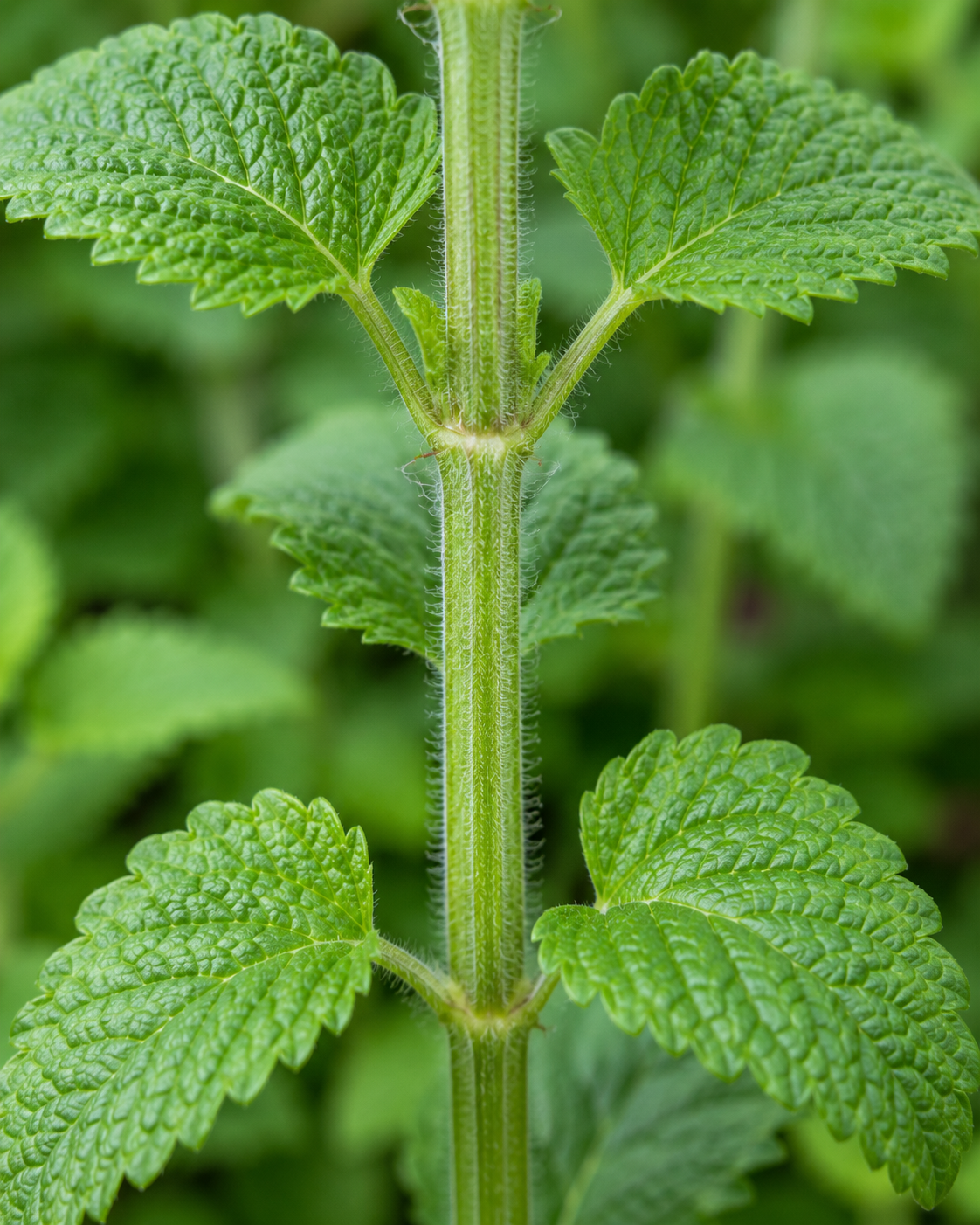
Square branching stems typical of the mint family.
Flower (Top View): 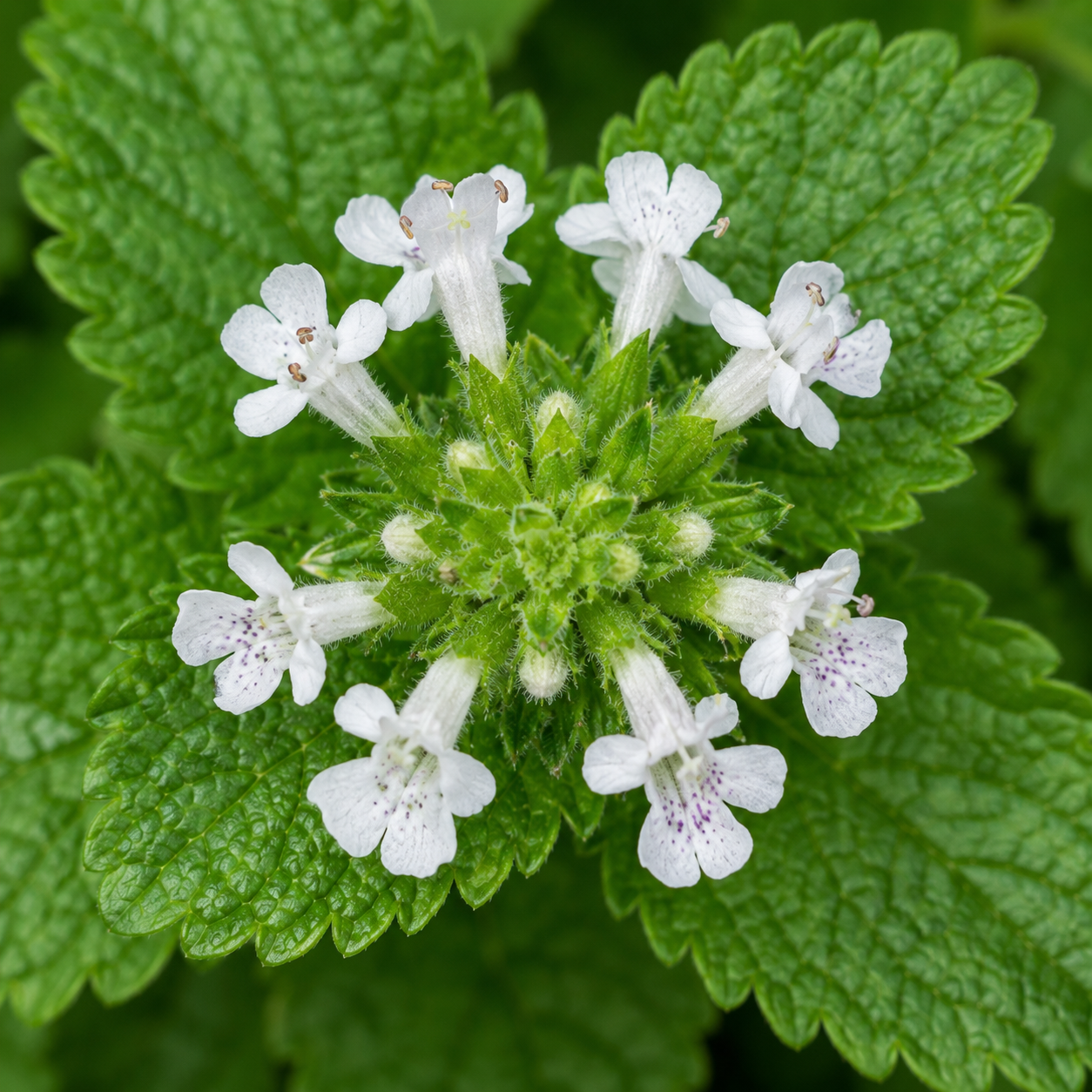
Tiny white to pale cream flowers clustered near upper leaf nodes.
Flower (Side View): 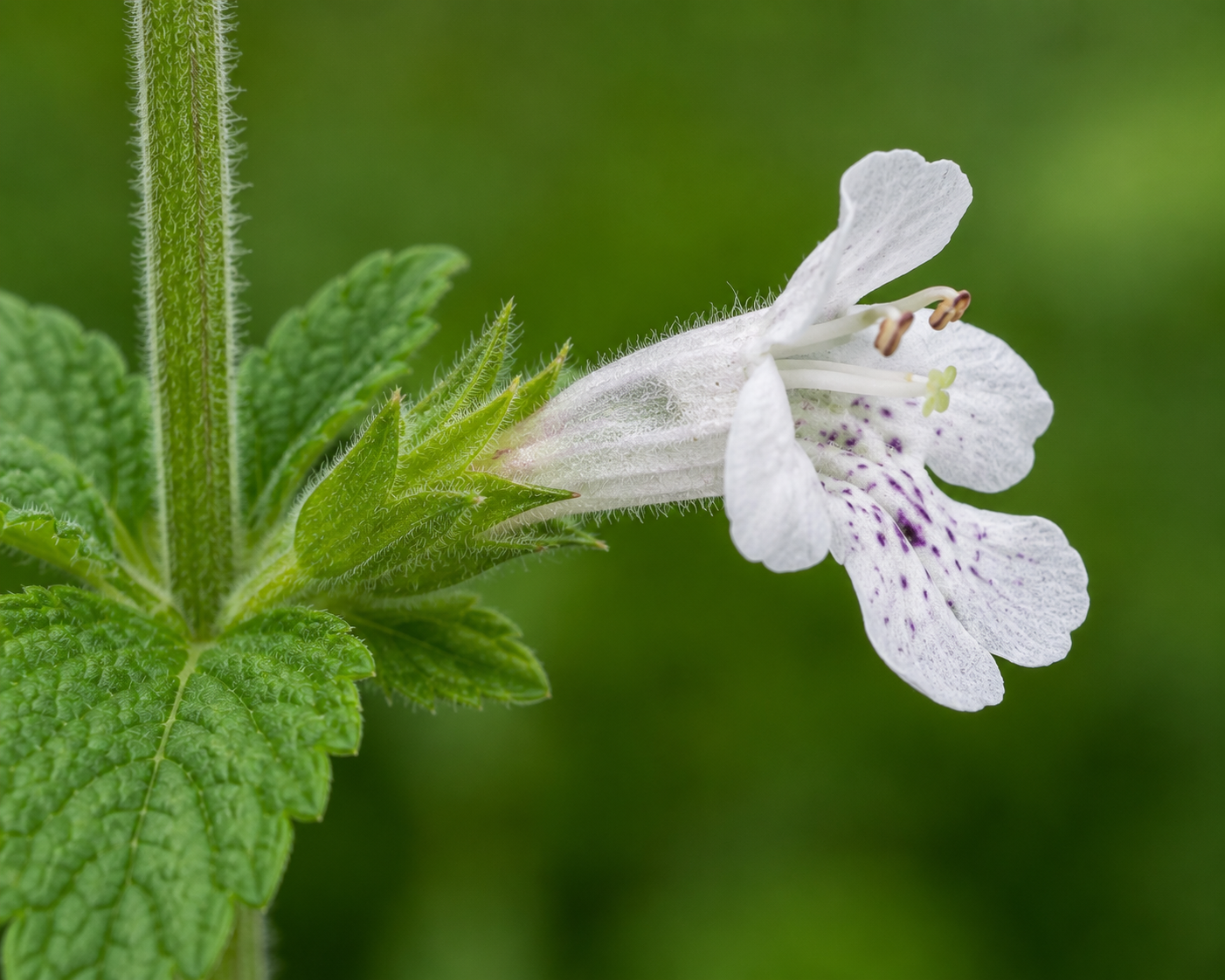
Small tubular flowers emerging in whorls along upper stems.
Flower Base (bracts):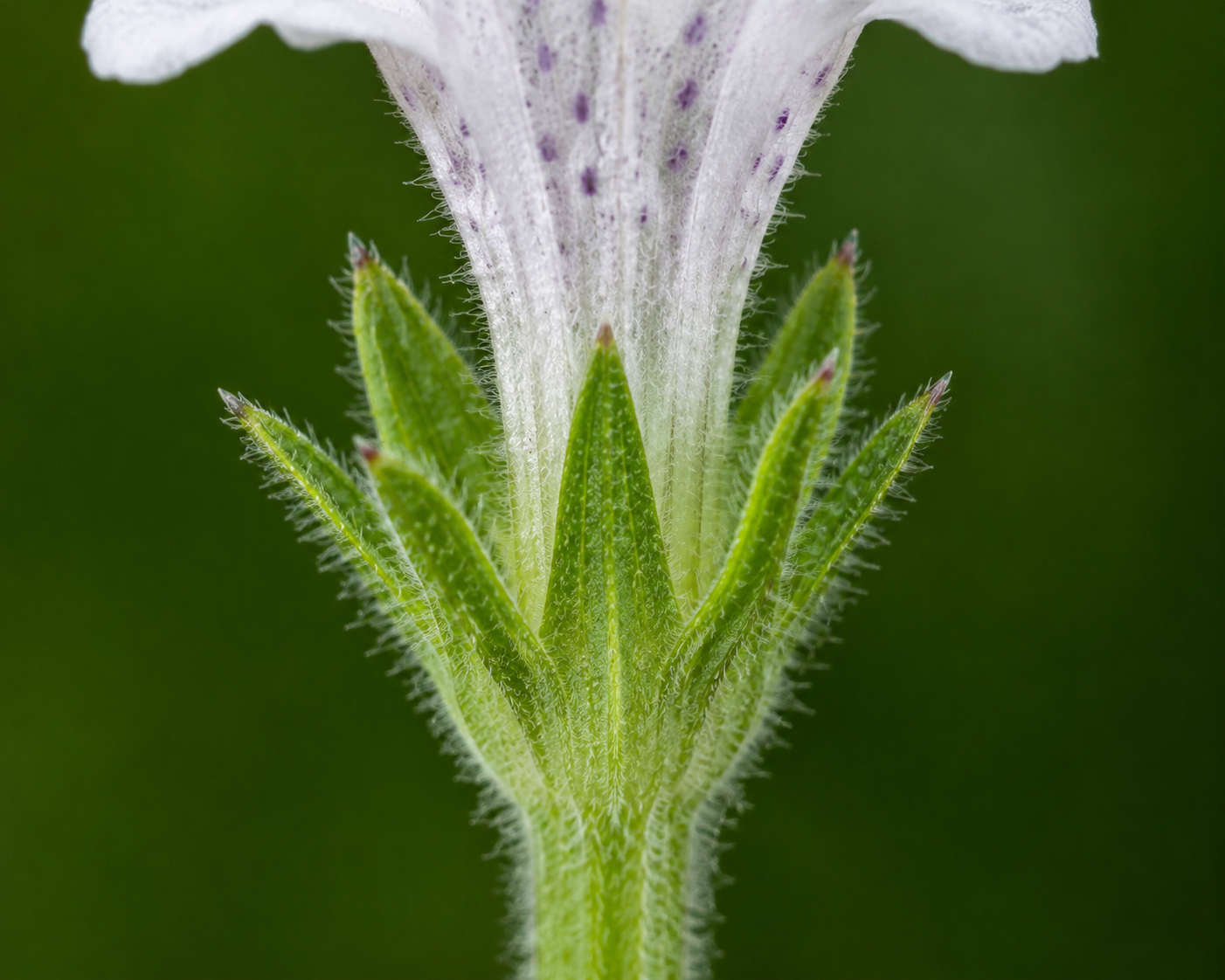
Small green bracts surrounding flower clusters.
Seed Head / Seeds: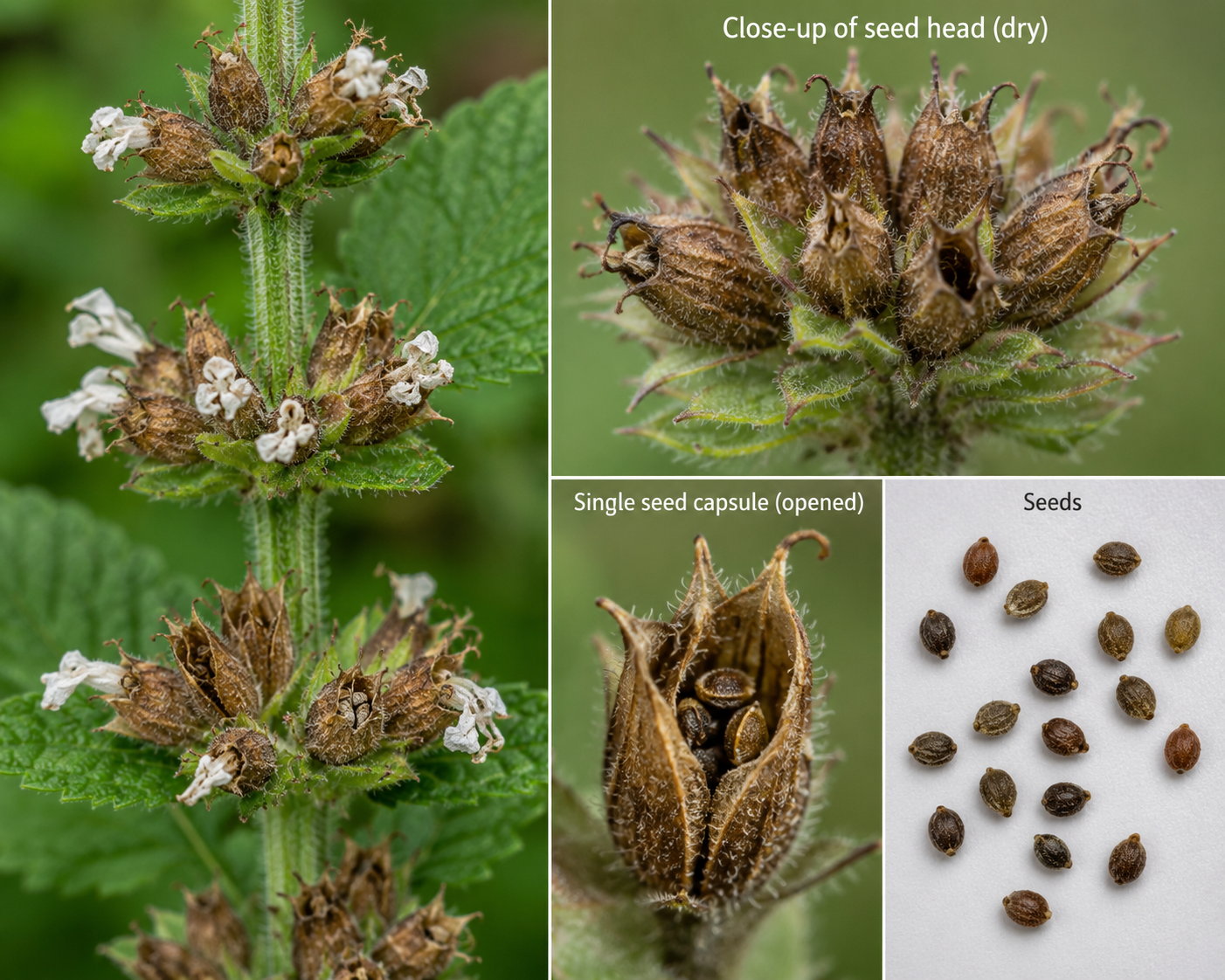
Tiny dark seeds develop after flowering and spread easily.
Root: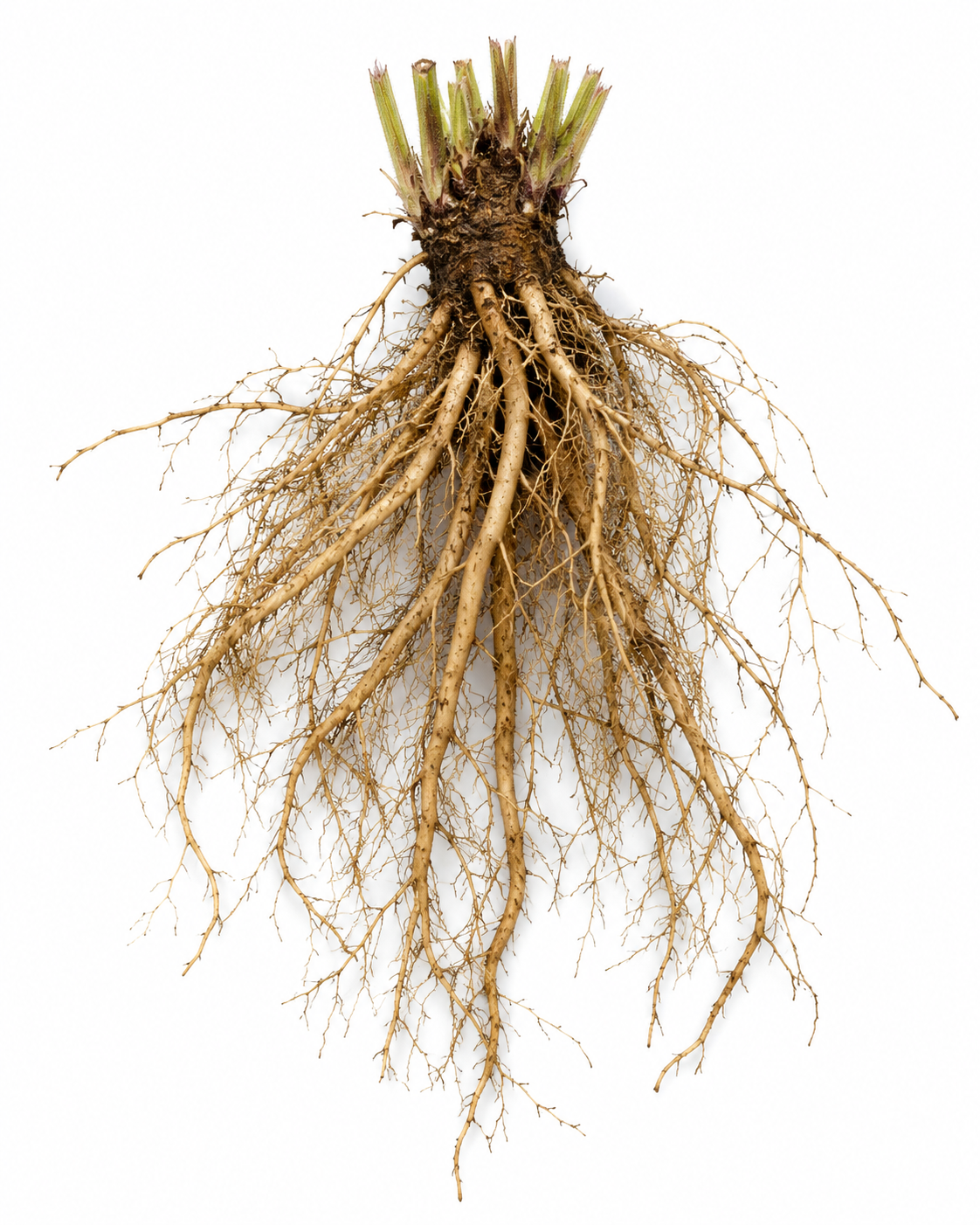
Fibrous spreading root system that slowly expands outward.
| Growth Form: | Bushy clumping perennial herb. |
| Typical Size: | Usually 1–3 feet tall and wide. |
| Aroma/Smell: | Strong fresh lemon scent with mild herbal sweetness. |
| Where it Commonly Grows: | Herb gardens, containers, borders, cottage gardens, and occasionally escaped into disturbed ground near cultivation. |
| Common Lookalikes: | Some mints resemble lemon balm, but lemon balm has a distinctive lemon fragrance and softer heart-shaped leaves. Catnip may look similar but smells minty rather than lemony. |
| Foraging Safety Note: | Properly identify before harvesting. Avoid collecting from sprayed areas or roadside locations. Never forage any plant unless you are completely certain of identification. Use multiple features, not just one. |
What It’s Used For
| Traditionally Used For: | – Stress and tension – Sleep support – Digestive discomfort – Seasonal discomfort – Nervous system support – Mild mood support – General relaxation – Minor skin support |
How It Works:
| It Works By: | Lemon balm has traditionally been valued as a calming aromatic herb. Its volatile oils and gentle soothing qualities have made it popular in teas and relaxing preparations for centuries. |
How to Use It
| Tea: | 1–2 teaspoons dried leaves per cup of hot water; steep covered 10–15 minutes. Traditionally used up to 3 times daily. |
| Decoction: | NA |
| Tincture: | Traditionally used in small amounts, often 20–40 drops up to 3 times daily. |
| Glycerite: | Common alcohol-free preparation, especially for children or sensitive individuals. |
| Infused Oil: | Leaves infused into carrier oil for external use. |
| Salve/Balm: | Applied externally to minor skin irritations or dry skin areas. |
| Poultice: | Fresh crushed leaves traditionally applied externally. |
| Compress/Fomentation: | Strong tea applied externally with cloth. |
| Syrup: | Commonly combined into calming or seasonal herbal syrups. |
| Oxymel: | Traditionally combined with vinegar and honey. |
| Powder: | Rarely used powdered. |
| Capsule: | Available in commercial herbal products. |
| Fresh Use: | Fresh leaves commonly added to teas, water, salads, desserts, and herbal blends. |
Safety & Considerations
| Avoid If: | Use caution with thyroid disorders or sedative medications unless supervised by a qualified professional. |
| Possible Side Effects: | Mild drowsiness, stomach upset, or allergic reaction in sensitive individuals. |
| Interactions with Pharmaceuticals, OTCs, and Other Herbs: | Use caution with sedatives, thyroid medications, and herbs with calming effects. |
| General Safety Note: | Generally considered one of the gentler traditional herbs when used appropriately. Discontinue use if irritation or unwanted reactions occur. This information is for educational and traditional-use purposes only and is not medical advice. |
Sourcing:
| Grow It: | How to Grow Lemon Balm |
| Forage: | Occasionally escapes gardens into disturbed ground and field edges near cultivation |
| Purchase: | Lowe Bridges Farm |
Additional Notes & Information:
Lemon balm is one of the classic calming herbs of traditional European herbalism. It is highly attractive to bees and pollinators and has long been grown in monastery, kitchen, and cottage gardens.