
No-Dig Gardening
No-dig gardening is exactly what it sounds like. Instead of turning, tilling, and working the soil over and over, you leave it as undisturbed as possible and build it up from the top.
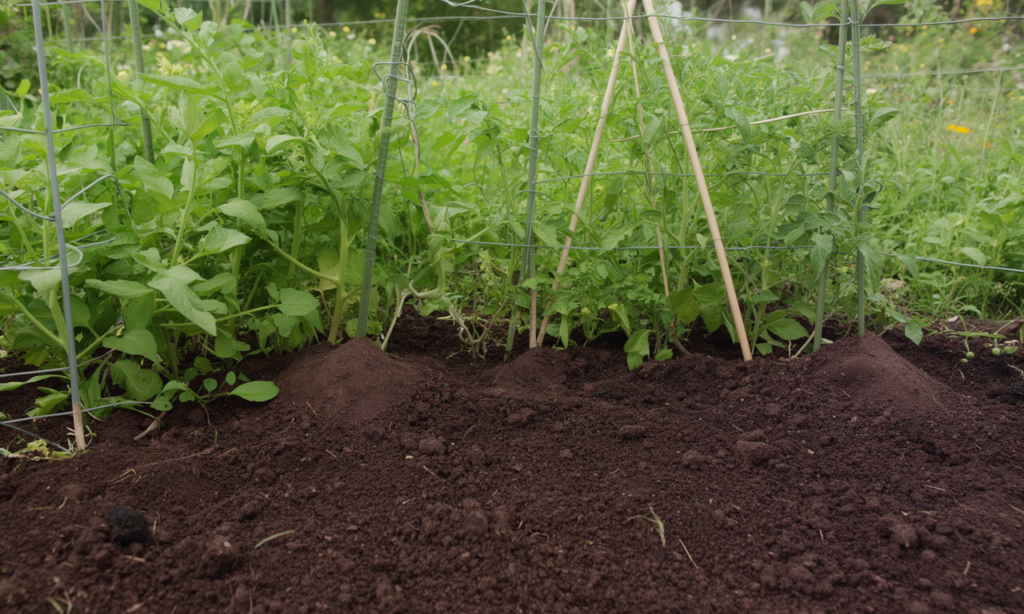
That does not mean you never touch the soil at all. It means you stop treating it like it needs to be ripped apart every time you want to grow sometophing. In a no-dig garden, the goal is to protect soil structure, reduce disturbance, feed the soil from above, and let the living world in the soil do more of the work.
For a whole lot of gardeners, that is a welcome idea.
There are plenty of folks who grew up thinking a garden bed had to be dug, chopped, flipped, and tilled into submission before it could grow anything worth eating. And to be fair, people have grown gardens that way for a long time. But no-dig gardening takes a different view. Instead of constantly disturbing the soil, it works to build it gradually with compost, mulch, and organic matter laid on top.
That approach can improve soil over time, help with weed control, hold moisture better, and make gardening a little less like hand-to-hand combat.
What No-Dig Gardening Is
At its core, no-dig gardening is a method of growing that avoids regular digging and tilling.
Rather than turning the soil over, you add compost and other organic matter to the surface and let worms, microbes, moisture, and time help move that goodness downward. The soil life below the surface helps break things down and improve the structure naturally.
This method is based on the idea that healthy soil is alive and that the more you disturb it, the more you interfere with the very systems that help plants grow well.
That does not mean you never make a planting hole or never loosen a spot when needed. It means you are not routinely digging up the entire bed just because that is how it has always been done.
Why Gardeners Choose No-Dig
One reason people are drawn to no-dig gardening is that it can be simpler on the body. Digging is hard work. Tilling is noisy, messy, and not exactly my idea of a good time either. If there is a method that can build healthy soil with less physical strain, a lot of people are willing to listen.
But ease is not the only reason.
No-dig gardening can also:
- help preserve soil structure
- reduce weed disturbance
- protect earthworms and soil life
- improve moisture retention
- build organic matter over time
- reduce erosion in some settings
- make beds easier to maintain once established
When soil is tilled or dug repeatedly, buried weed seeds can be brought back to the surface, soil layers can be disrupted, and the natural networks in the soil get broken apart. No-dig gardening tries to avoid that cycle.
It is a slower, steadier approach to soil improvement, and for many gardeners that turns out to be a very good thing.
How No-Dig Gardening Works
A no-dig bed is usually built or maintained by adding compost or other organic matter on top of the soil rather than mixing it deeply into the ground.
Some gardeners start by smothering grass or weeds with cardboard or paper and then topping that with compost. Others begin with an existing bed and simply stop digging it each season, choosing instead to top-dress it regularly and mulch around the plants.
Either way, the pattern is the same:
- disturb the soil as little as possible
- feed it from above
- keep it covered
- let soil life do more of the work
That “keep it covered” part matters. Bare soil is more likely to dry out, crust over, erode, and invite weeds. A layer of compost, mulch, leaf mold, straw, or other suitable material helps protect the surface and support healthier soil conditions.
No-dig gardening is not neglect. It is a deliberate choice to stop overworking the ground and start supporting it in a different way.
The Benefits of No-Dig Gardening
A well-managed no-dig garden can be beautifully productive.
One of the biggest advantages is soil structure. Healthy soil is not just dirt. It is a living, layered, structured environment. When it is left more intact, water movement, air movement, microbial life, and root growth often benefit.
Many gardeners also find that once a no-dig bed is established, it becomes easier to maintain. Weeds can be fewer or easier to pull. The soil may stay looser and richer. Watering needs may improve as the soil builds more organic matter.
And then there is the back-saving part of it.
If you have ever stood over a shovel thinking there had to be a better way, no-dig gardening may feel like good news.
The Drawbacks and Limitations
Now, no-dig gardening is not some magical fix for every problem under the sun.
If you start with badly compacted soil, poor drainage, heavy clay, or a patch full of deeply rooted perennial weeds, the process may take time and patience. A no-dig method can still help, but it may not be an instant cure.
It also depends on having enough organic material to build and maintain the beds. Compost does not appear by wishful thinking alone. If you are covering beds regularly, you need a source for those materials.
And while the method reduces digging, it does not eliminate all garden work. You still have to plant, weed, mulch, water, feed when needed, and pay attention. No-dig is lower disturbance, not no-effort.
There are also times when a gardener may need to break the rules a little. If the soil is truly hard as brick, drainage is terrible, or an area has never been gardened at all, some initial work may still be needed. The point is not perfection. The point is reducing unnecessary disturbance moving forward.
Is No-Dig the Same as No-Till?
They are closely related, and people often use the terms almost interchangeably, but they are not always discussed in exactly the same way.
No-dig is more commonly used in home gardening language. No-till is often used more broadly in agricultural and larger-scale discussions.
The shared principle is reducing soil disturbance.
For your average home gardener, the practical takeaway is simple: stop constantly turning the soil unless there is a real reason to do it.
Who No-Dig Gardening Is Best For
No-dig gardening can be a very good fit for:
- home gardeners
- raised bed gardeners
- gardeners with back or joint issues
- people trying to improve soil over time
- organic-minded growers
- gardeners who want a lower-disturbance method
It can work well for vegetables, herbs, flowers, and mixed garden spaces. It is especially appealing to gardeners who like the idea of building better soil season by season instead of fighting the same soil battle over and over.
If you are patient and willing to build gradually, it can be a very rewarding method.
Final Thoughts
No-dig gardening is a practical, soil-friendly way to grow by reducing disturbance and building fertility from the top down.
It helps protect soil structure, supports beneficial soil life, and can make the garden easier to maintain over time. It is not a lazy method and it is not a miracle, but it can be a smart and sustainable way to grow healthy plants without constantly tearing the soil apart.
If you want to work with your soil instead of fighting it every season, no-dig gardening is well worth considering.
For More Information: