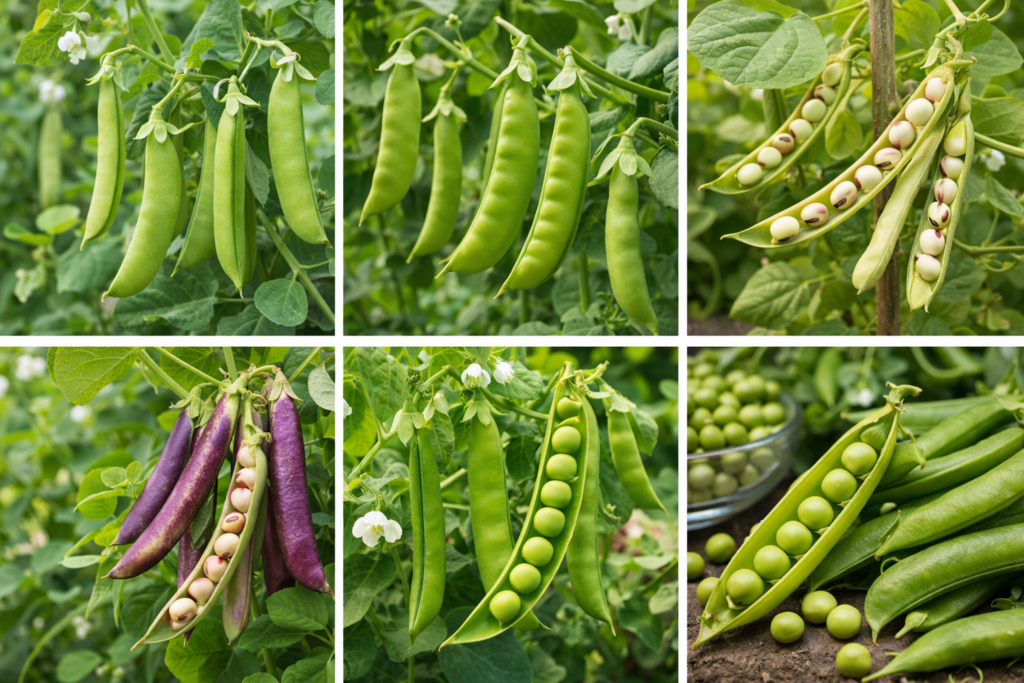
How to Grow Peas
General Information
| Scientific Name: | Pisum sativum |
| Common Names: | Peas, garden peas, English peas, shelling peas, snow peas, snap peas, sweet peas |
| Plant Family: | Fabaceae |
| Vegetable Type: | Cool season legume |
| Popular Varieties: | English peas, sugar snap peas, snow peas |
Know Before You Grow
| Growing Zones: | 3 to 9 |
| Crops per Year: | 1 or 2 per year, if you are able to do a Spring crop and a fall crop. |
| Plants Per Person: | 10 to 15 feet of row per person. For preservation: 25 to 30 feet of row per person. |
| Frost Hardy: | Good frost tolerance, as long as the frost is light. |
| Heat Tolerant: | Poor heat tolerance. Peas love cooler weather. |
| Stratification: | No |
| Scarification: | No |
| Resistances: | Some varieties are resistance to wilt or mildew. |
Rotation Schedule
Starting from Seed
| When: | Peas prefer to be direct sown. |
Garden Bed Prep
| Soil: | Loose, fertile, well-draining soil |
| pH: | 6.0 to 7.0 |
| Soil Depth: | at least 8 to 10 inches of workable soil |
| Trellis: | Most peas require support, but dwarf types may not require as much. |
| Fertilizer: | Peas are usually light feeders. Add 1 to 2 inches of compost and work in well before planting. If your soil is poor, use a light application of a balanced fertilizer. Go easy on the nitrogen please or you will have lots of vines and leaves, but very few pods. |
Transplanting
| When: | Direct sow only |
Direct Sowing
| When: | Sow in late winter or early spring as soon as the soil can be worked and is no longer waterlogged. In some climates, peas are planted 4 to 6 weeks before the last spring frost. In milder climates, they may also be planted for fall or winter growth. |
| Depth: | 1 inch |
| Spacing: | 1 to 2 inches apart, rows 18 to 24 inches apart. |
| Water: | Keep moist, not soggy |
| Light: | Full Sun to light shade |
| Soil Temperature: | 45° to 75°F |
| # in Sq. Ft. Planting: | 8 supported plants |
| Days to Germination: | 7 to 14 days |
Growing Care
| Soil pH: | 6.0 to 7.0 |
| Fertilizer/Feed: | Peas usually do not need additional fertilizer if their bed was properly prepared before planting. |
| Days to Maturity: | 55 to 75 |
| Water: | Keep the soil moist. Do not let it dry out. At the same time, do not let it get soggy either. Peas like steady moisture in cool soil. |
| Pruning: | Only anything that is dead, damaged or diseased. |
| Mulching: | 1 to 2 inches can be added after the plants are well established. |
| Pollination: | Self-pollinating. |
Companions & Antagonists
| Plant Family: | Antagonists: |
| Carrots and radish | onions |
| Lettuce and spinach | garlic |
| Turnips and brassicas | leeks |
| cucumbers | shallots |
Attracts & Repels
| Attracts: | Repels: |
| bees and other flower loving insects. | Nothing |
Pests & Disease
| Pests: | Disease: |
| aphids | powdery mildew |
| cutworms | fusarium wilt |
| pea weevils | root rot |
| leaf miners | damping off |
| slugs | pea enation mosaic |
Seed Saving
| When: | When pods are mature and dry, while still on the vine, but while they are DRY…not after a rain. |
| Method: | Pick and shell, continue drying the peas if necessary. |
| Storage: | Store in a cool, dry place |
Harvest Time
| When: | English/Shelling: When pods are plump, but still tender. Snow Peas: While still flat and tender, before they swell too much. Snap peas: When pods are full, crisp and sweet, before they become tough. |
| How: | Pick or snip from the vine. |
| Storing: | Once picked, peas need to be cooked or preserved within a couple of days. Dry peas, however are usually stored in mason jars, with the air sucked out of the jar. |
| Preservation Methods: | Canning, freezing, dehydrating |
Troubleshooting
| Plants flower but don’t make much: | Usually heat stress, drought stress or plants were planted too late. |
| Pods get tough fast: | Harvested too late or the weather turned too warm. |
| Plants suddenly stop producing: | Usually heat, disease, or the natural end of their cool season run. |
| Yellowing Plants: | Could be poor drainage, root problems, disease or nutrient imbalance. |
| Powdery white coating on leaves: | Likely powdery mildew |
| Seeds rot in ground: | Usually cold wet soil or poor drainage. |
| Weak, stunted plants: | Could be poor soil, crowding, rot, or planting in the wrong season. |