Plant Reproduction
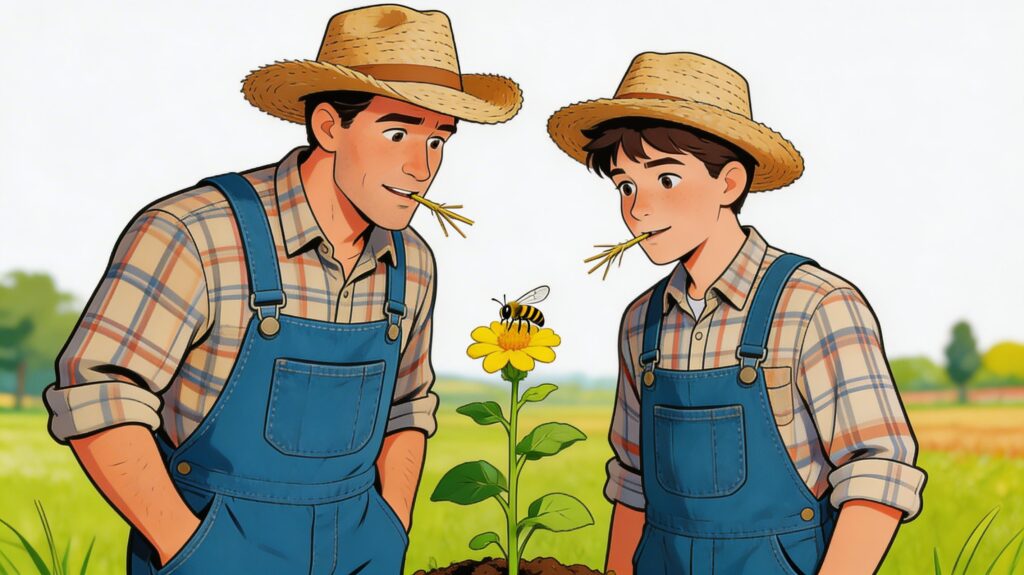
Well, if “Understanding Photosynthesis” was the science lesson, this here is the “birds and the bees” talk for the backyard. Plant Reproduction is what we are covering here.
Don’t let that dry title fool you—plant reproduction is the most high-stakes, scandalous, and flat-out busy time in the garden. If you want to fill your pantry, you’ve got to understand how your plants make sure there’s a next generation.
It’s All About the Next Generation
In the plant world, everything—from the deepest root to the tallest leaf—is just a support system for one goal: making seeds. That juicy tomato you’re eyeing for a sandwich? That’s just a fancy, delicious “suit of armor” the plant built to protect its babies.
When a plant enters the reproductive stage, it stops being selfish about its own growth and starts pouring its life force into flowers.
As a homesteader, you need to recognize this shift because the plant’s “grocery list” changes. It stops craving nitrogen for leaves and starts wanting phosphorus and potassium to make those blossoms strong.
If you keep feeding it like a teenager, you’ll get a giant green bush with nary a fruit in sight.
The Matchmakers: Wind, Wings, and Wiggles
Now, plants can’t exactly go out on a date, so they have to rely on “delivery services” to get their pollen where it needs to go.
First, you’ve got your social butterflies (and bees, and moths). These plants, like squash and cucumbers, have separate “boy” and “girl” flowers. They need a bee to crawl into one, get dusty with pollen, and carry it over to the other.
If you don’t have pollinators buzzing around these plants, you’ll see tiny little fruits shrivel up and fall off before they ever get started.
Then, you’ve got the loners, or what we call “perfect flowers.” Tomatoes, peppers, and beans have everything they need inside one single blossom. But even they aren’t totally independent! They still need the wind to blow or a bumblebee to vibrate the flower to knock the pollen loose.
If your garden is tucked away in a stagnant corner where the air don’t move, you might have to go out there and give your plants a little “how-do-you-do” wiggle yourself.
The Mystery of Pollen Prep
Here’s a secret many folks don’t realize: temperature is the boss of reproduction. If it gets too hot—I’m talking those 90-degree nights where the air feels like a wet blanket—the pollen can actually turn sterile. It’s like the kitchen got too hot and the cake fell.
You can have the prettiest flowers in the county and a thousand bees, but if the weather isn’t right, the “reproduction” just ain’t gonna happen.
This is why we homesteaders obsess over planting dates. We’re trying to time that reproductive window so it doesn’t hit the dead-melt of July or the first bite of a frost.
Why the Homesteader Must Be the Reproduction Manager
You need to understand this process because you are the one who ensures the “date” actually happens. If you see your squash blooming but no fruit setting, you might need to grab a paintbrush and play matchmaker yourself (hand-pollination).
If you see your corn—which relies on the wind—planted in one long, thin row, you’ll realize why the ears are half-empty. Corn needs to be in a “block” so the wind can swirl that pollen around and hit every silk.
Crossing the Lines (Cross-Pollination)
One last thing for the seed-savers: plants aren’t always picky. If you plant two different kinds of squash right next to each other, the bees will mix ’em up. You won’t taste it in this year’s harvest, but if you save those seeds, next year you might grow something that looks like a UFO and tastes like a wet cardboard box.
Understanding reproduction means knowing who can “marry” who in the garden, and make sure those unsuitable matches never happen by simply not putting them where they might meet…like in the same vicinity or neighborhood.
At the end of the day, we’re just helping life continue. When you see that flower turn into a fruit, you’re seeing the successful end of a very long, very complicated journey. It’s the miracle that keeps our plates full and our jars lined up in the cellar.