Plant Your Zone – And Everyone Else’s Too!
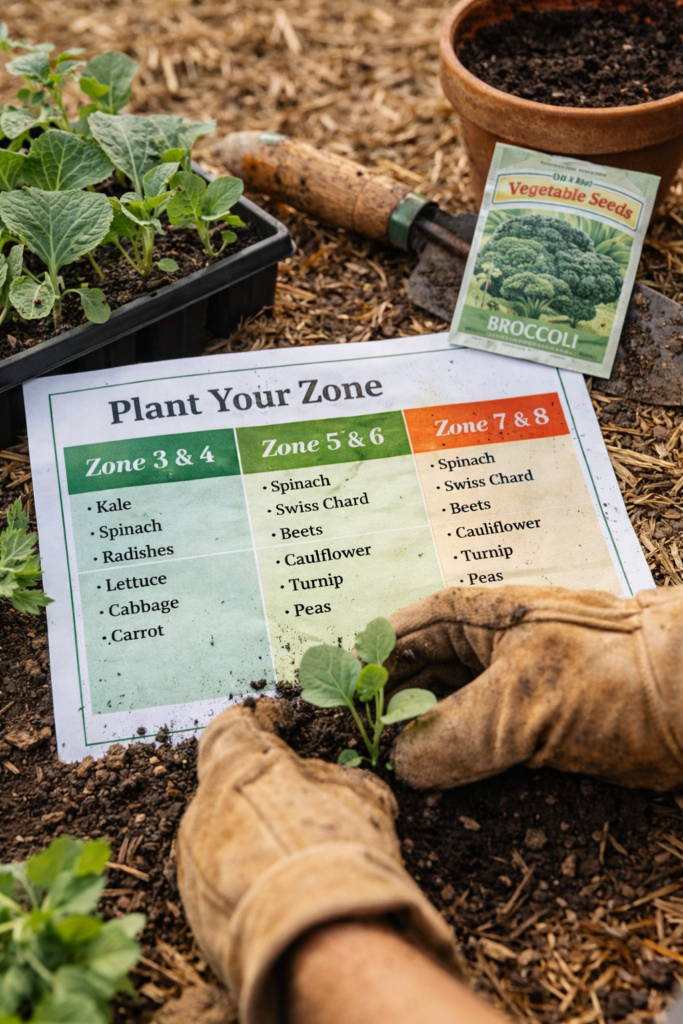
One of the smartest things a gardener can do is plant for the conditions they actually have instead of the conditions they wish they had.
That is what “plant your zone” really means. It means paying attention to your growing zone, your frost dates, your heat, your season length, and your local conditions, then choosing plants that make sense for where you live. It is about gardening with reality instead of fighting it every step of the way.
But there is another side to this too.
You should absolutely plant your zone. And if you are smart about it, you can often plant everybody else’s too.
That does not mean ignoring your climate and pretending East Texas is Maine or Arizona. It means understanding that a lot of plants can be grown outside their ideal long-term zone if you grow them in the right season, protect them when needed, start them early, or treat them as annuals instead of perennials. Once you understand that, your options open up in a big way.
Start With What Makes Sense for Your Own Zone
Every garden has some crops and plants that are just naturally well-suited to the local conditions. They fit the season, tolerate the weather reasonably well, and do not require a lot of heroics to succeed. Those are your bread-and-butter plants. They are the ones that should form the backbone of your garden because they are most likely to reward your effort.
That is the practical heart of planting your zone.
If your area has long hot summers, then heat-tolerant crops deserve a major place in the garden. If your season is shorter, then plants that mature quickly matter more. If winter cold is severe, then perennial choices need to respect that. A gardener who learns what naturally fits the local climate will usually have more success than one constantly trying to force every planting into the wrong season.
That does not mean you only grow the obvious things. It just means you begin with what the land is already likely to support.
Your Zone Is Only Part of the Story
A lot of gardeners hear “zone” and stop there, but that is not enough.
Your USDA zone mainly tells you about average winter cold. That matters for winter survival, especially with perennials, trees, shrubs, and long-term plantings. But if you are growing vegetables, herbs, and annual crops, then frost dates, heat, humidity, season length, and local weather patterns often matter just as much or more.
So when you plant your zone, what you are really doing is planting your whole set of conditions:
- your winter lows
- your summer highs
- your first and last frost dates
- your rainfall
- your soil
- your growing season length
- your microclimates
That is where better gardening decisions start.
How You Can “Plant Everybody Else’s Too”
Now for the fun part.
A smart gardener can often stretch beyond the local zone by changing the timing, the method, or the expectations.
You may be able to:
- grow cool-season crops in fall and winter even if they belong to “colder-climate gardening” in people’s minds
- start warm-season crops early indoors before your outdoor conditions are ready
- grow tender perennials as annuals
- protect borderline plants through winter
- use row cover, shade cloth, mulch, tunnels, cold frames, or greenhouses to stretch your range
- use containers to move plants in and out of danger
That is how you “plant everyone else’s too.”
You are not magically changing your climate. You are learning how to work the seasons, the structures, and the strategies so you can grow more than people think you can.
The Difference Between Growing and Overwintering
This is where people get mixed up.
A plant may grow beautifully in your garden during the season and still not be hardy enough to survive your winter. That does not mean you cannot grow it. It just means you may be growing it as an annual, not a perennial.
For example, a gardener may grow basil, peppers, tomatoes, or certain flowers very successfully in one season even though those plants would not naturally live through winter there. A gardener may also grow rosemary beautifully in a warm region as a perennial, while someone in a colder area may need to grow it in a pot and protect it.
That is why “Can I grow it?” and “Will it survive here long-term?” are not always the same question.
Once you understand that difference, you stop ruling plants out too quickly.
Stretching the Seasons Changes Everything
Season extension is one of the biggest reasons gardeners can grow outside the obvious box.
By changing when and how you plant, you can make room for crops that might otherwise seem unsuited to your area. A gardener with hot summers may grow spring lettuce and fall brassicas beautifully even if those crops hate the peak summer heat.
A gardener with shorter seasons may still grow peppers or tomatoes by starting them early indoors. A gardener with mild winters may grow cool-season crops during months when colder-climate gardeners are buried in snow.
That is why learning your seasons matters just as much as learning your zone.
The more clearly you understand when your conditions are favorable for a crop, the more flexible your garden becomes.
Protection Lets You Cheat a Little
This is where gardeners get clever.
Protection tools can help you nudge the limits by creating better conditions than the open garden would give you on its own. That might mean:
- row cover for light cold protection
- frost cloth for short cold snaps
- mulch to protect roots
- low tunnels to warm the bed
- shade cloth to help in brutal summer heat
- a greenhouse or hoop house for serious season extension
- containers that can be moved to safer spots
Used wisely, these tools let you grow a wider range of things than your bare, open garden would support all by itself.
That is not cheating in a bad way. That is gardening with brains.
Know When Not to Fight the Climate
Now, all that said, there is a line between stretching your possibilities and making gardening harder than it needs to be.
If a plant constantly needs rescuing, constant pampering, constant battling against heat, cold, humidity, or disease, it may not be worth the trouble unless you truly love it. A gardener can absolutely push beyond the local norm, but not every experiment deserves a permanent place in the plan.
This is where wisdom comes in.
Grow what fits naturally.
Experiment with what can be stretched.
Question what is always a struggle.
That is a much saner way to garden than trying to make every crop prove some point.
A Good Garden Usually Has Both
Most successful gardens wind up being a mix of:
- plants that are perfect for the local conditions
- plants that are possible with timing and strategy
- a few experiments for fun
That is probably the sweet spot.
Your reliable crops give you food and confidence. Your seasonal stretches give you variety and a longer garden calendar. Your experiments keep gardening interesting. When all three are working together, the garden feels both practical and alive.
That is much better than either being overly rigid or wildly unrealistic.
Final Thoughts
Planting your zone means understanding your local growing conditions and choosing plants that fit them well. That is the foundation of smart gardening. But once you understand timing, season extension, protection, and the difference between annual growing and long-term hardiness, you can often grow far more than your zone alone might suggest.
So yes, plant your zone. Respect it. Learn it well.
Then, with a little strategy and a little nerve, plant everybody else’s too.