Pruning 101
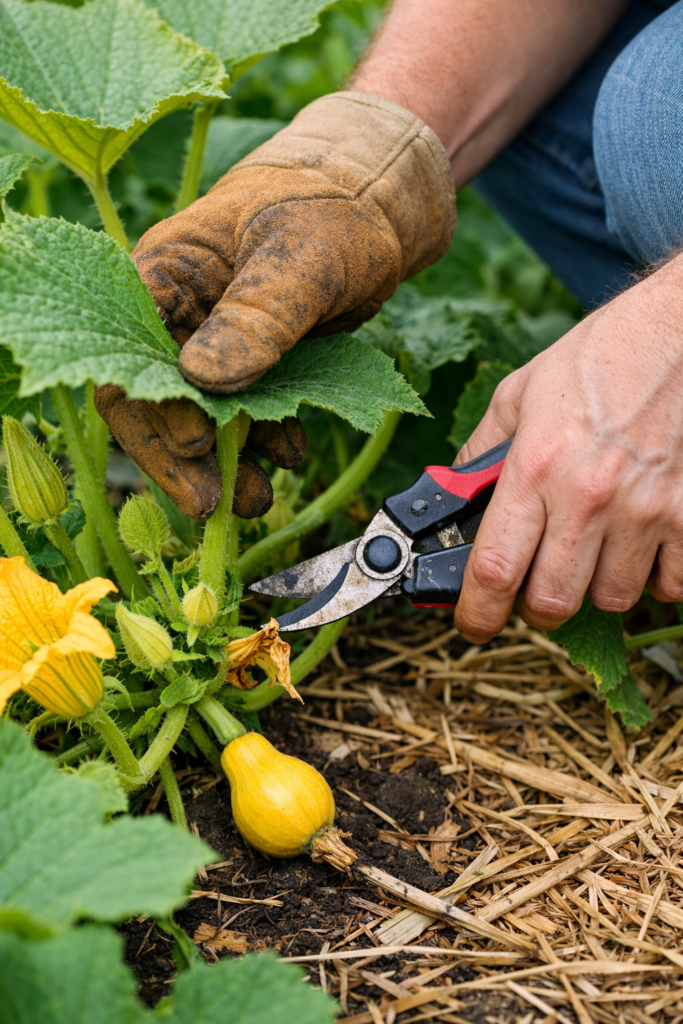
Pruning is one of those gardening jobs that makes people nervous for no good reason and reckless for all the wrong ones.
Some gardeners are afraid to cut anything because they do not want to hurt the plant. Other gardeners go out there with a pair of pruners and a little too much confidence and start whacking things back like they are settling old scores. Neither extreme is ideal.
Pruning is simply the selective removal of part of a plant in order to improve its health, shape, productivity, or growth. That is all it is. You are not punishing the plant. You are not showing it who is boss. You are making thoughtful cuts for a reason.
Once you understand that, pruning gets a whole lot less intimidating.
Why Pruning Matters
Plants do not always grow in the neat, healthy, productive way we wish they would. Sometimes they grow too densely, too weakly, too wildly, or in a direction that creates problems. Sometimes they put energy into dead, damaged, or unhelpful growth that needs to go. Sometimes they need help staying open, balanced, and productive.
That is where pruning comes in.
Good pruning can help:
- remove dead or damaged growth
- improve airflow
- let in more sunlight
- reduce disease pressure
- shape the plant
- direct growth
- improve flowering or fruiting in some plants
- keep a plant at a manageable size
In plain English, pruning helps the plant make better use of its energy. Instead of trying to support a mess of weak, crowded, damaged, or unnecessary growth, the plant can focus on the parts that matter most.
Pruning Is Not the Same as Hacking
This needs saying.
Pruning is not random cutting.
A thoughtful cut has a reason behind it. A random cut is just vandalism with garden tools. If you do not know why you are removing something, stop long enough to think before you snip.
That does not mean you need to stand there holding a stem and having a spiritual crisis about it. It just means the goal is not to cut for the sake of cutting. The goal is to improve the plant.
Every cut affects future growth. That is why it helps to be deliberate.
The Main Reasons to Prune
Most pruning falls into a few common purposes.
One is health. Dead, broken, diseased, or damaged wood needs to go. It is not helping the plant, and in some cases it is actively creating problems.
Another is structure. Plants can get too crowded, too tangled, or too lopsided. Removing certain stems or branches can improve the overall framework of the plant and help it grow in a stronger, more balanced way.
Another reason is production. Some plants fruit or flower better when properly pruned. This is especially true for certain fruiting plants and shrubs, where too much weak or crowded growth can reduce productivity.
Then there is size control. Sometimes a plant simply needs to be kept within bounds so it does not take over a path, shade out everything around it, or become a giant problem where a smaller one was intended.
What You Usually Remove First
When in doubt, start simple.
The first things to look for are:
- dead growth
- damaged stems or branches
- diseased material
- crossing branches that rub
- weak, spindly growth
- crowded interior growth
That alone will clean up a surprising number of plants.
Dead and damaged growth is usually the easiest to identify and the safest place to begin. Once that is gone, the structure of the plant is often easier to see. Then you can better judge what else, if anything, needs to be removed.
Why Airflow and Light Matter
A crowded plant often stays wetter longer after rain or watering. It may also have shaded interior growth that struggles to stay healthy and productive. Poor airflow and low light inside the plant can encourage disease and weak growth.
Pruning can help open the plant up.
That does not mean every plant should be reduced to a skeleton. It means the interior should not be so packed that air and light cannot move through. A healthier structure usually means a healthier plant.
This matters a lot with many vegetables, fruiting vines, shrubs, and ornamentals. An open, balanced plant is often easier to inspect, easier to harvest, and less prone to certain problems.
Where to Make the Cut
This is where people get a little uncertain, but the basic rule is not hard.
Make clean cuts in sensible places.
Depending on the plant and what you are removing, that usually means cutting:
- just above a healthy bud or leaf node
- back to a healthy side branch
- back to the main stem
- all the way to the base, if removing an entire stem
What you do not want is a long awkward stub left sticking out doing nothing useful. Stubs can die back, invite problems, and look untidy besides.
You also do not want to mash, tear, or shred the stem. Clean cuts heal better, which is one reason sharp tools matter.
Timing Matters More for Some Plants Than Others
Not every plant wants to be pruned at the same time.
Some plants are best pruned during dormancy. Some are best lightly shaped after flowering. Some vegetables can be pruned during the growing season to improve airflow or direct energy. Some plants barely need pruning at all beyond cleanup.
This is where it helps to know the type of plant you are dealing with.
For a general rule:
- remove dead, broken, or diseased growth whenever you see it. I call this the “3 D’s”: Diseased, Dead or Damaged.
- do heavier shaping or structural pruning at the appropriate time for that plant
- avoid major pruning when it will create unnecessary stress, especially in extreme heat
Pruning is one of those jobs where the right cut at the wrong time can still be less than ideal.
Not Every Plant Needs Much Pruning
This is another good thing to remember.
Some plants need regular pruning. Some need occasional cleanup. Some are happier if you mostly leave them alone except for dead or damaged growth.
A common mistake is assuming every plant needs to be “worked on” to prove you are a serious gardener. Sometimes the smartest pruning decision is restraint. If the plant is healthy, well-shaped, productive, and not creating problems, it may not need much from you.
That is still good gardening.
Common Pruning Mistakes
A lot of pruning mistakes come from either fear or enthusiasm.
Common ones include:
- cutting too much at once
- pruning without knowing the plant’s growth habit
- leaving ragged or crushed cuts
- removing healthy productive growth for no reason
- topping plants in a way that creates weak regrowth
- ignoring dead or diseased growth too long
- pruning at a stressful time for the plant
Another mistake is trying to make every plant look neat and symmetrical at all costs. Plants are living things, not throw pillows. Healthy and productive matters more than artificially perfect.
Good Tools Make a Difference
Pruning is easier and safer when the tools are clean and sharp.
Depending on the plant, you might use:
- hand pruners
- loppers
- pruning saws
- garden snips
A sharp tool makes a clean cut. A dull tool crushes and tears, which is harder on the plant and more annoying for the gardener. Clean tools also matter, especially if you are working around diseased material.
This is not a glamorous point, but it is a practical one. Better tools make better pruning.
Pruning Is About Purpose
The easiest way to think about pruning is this: every cut should have a purpose.
You are either:
- improving health
- improving structure
- improving productivity
- improving manageability
If the cut does not serve one of those goals, it may not need to happen.
That mindset keeps you from both freezing up and overdoing it. It gives pruning a framework. You are not just cutting at random. You are making decisions based on what helps the plant.
Final Thoughts
Pruning is the careful removal of plant growth to improve health, structure, airflow, light, productivity, or size. It is not complicated once you stop thinking of it as some mysterious expert-only skill and start thinking of it as thoughtful plant management.
The key is to prune with purpose. Remove what is dead, damaged, diseased, crowded, weak, or unhelpful. Make clean cuts. Respect timing where it matters. And remember that not every plant needs to be carved on just because you own pruners.
Because good pruning is not about cutting the most. It is about cutting what actually needs to go.