Raised Bed Gardening
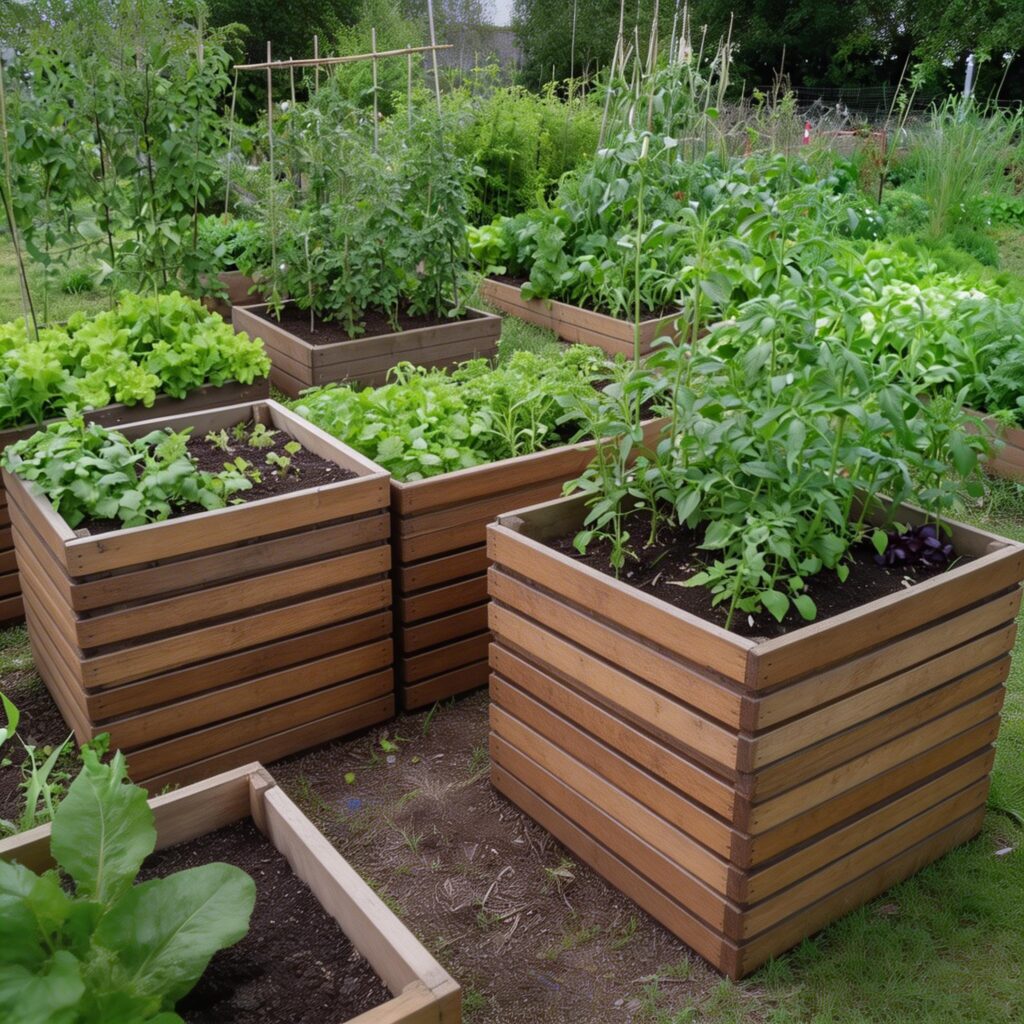
If you’re tired of bending over until your back cricks like a rusty gate, then raised bed gardening might just be your new best friend.
On the farm, we’ve always used the big ground for the main crop, but when I want a kitchen garden that’s easy on the knees and pretty to look at, I turn to this specialized method.
It involves building (or buying) a sturdy frame—usually out of wood, stone, or metal—and filling it with the best dirt money can buy…or at least the very best soil you can afford…but use caution here. If money is an issue, as it is for most of us, fill just one bed with the best soil you can find, and then fill additional beds as you can afford to.
The Secret Advantage: Total Control
The biggest benefit here is control. You aren’t at the mercy of the red clay or rocky soil Mother Nature gave you. Instead, you create your own “black gold” soil mix right inside the frame.
Because the soil isn’t stepped on, it stays fluffy and loose, which allows roots to breathe and grow deep without a struggle.
Plus, these beds warm up faster in the spring than the big ground, letting you plant your peas and greens a good two weeks early!
Setting Up Your Space
When you start, location is everything. You need a spot that gets at least six to eight hours of full sun. Your frames should be no wider than four feet.
Why?
Because you never want to step inside the bed! You want to be able to reach the middle of the growing area from either side without compacting the dirt.
Most folks find that raised bed gardening works best with setups that are 6 to 12 inches deep, though taller frames are a godsend for those of us who’d rather not bend down at all.
Tips for Long-Term Success
To keep your plants thriving, you’ve got to watch the water. Because these beds drain so well, they can dry out faster than a traditional row. A layer of mulch is your secret weapon to keep the moisture in.
Raised bed gardening is also highly suitable for Square Foot Gardening, which means you can grow a lot of food in a very small amount of space. This is the kind of gardening I do – Raised Bed, Square Foot Gardening.
Also, remember that this is a “high-intensity” way to grow. It requires regular snacks—meaning organic fertilizer—to keep the plants happy since they are living in a confined space.
Is this the Right Gardening Method for You?
If you want a garden that looks like a quilt and produces like a farm, raised bed gardening is the way to go. It reduces weeds, improves drainage, and makes the whole process more accessible for everyone.
Whether you are a beginner or a seasoned pro, it offers a level of convenience that’s hard to beat. Once you try it, you might find it hard to go back to the old ways! It truly is the Cadillac of home gardening methods.