What You Need To Know About Homestead Shelter
Maybe it’s a tent. Maybe it’s a “tiny house” or one-room cabin. Maybe it’s a full-blown mansion. Regardless of what it is or how it looks, shelter comes first on the Homestead.
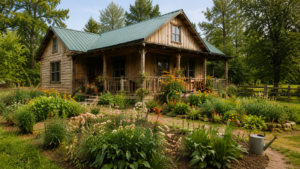
People often dream about gardens, chickens, fruit trees, tractors, and barns when they think about homesteading. Those things matter, but none of them matter much if the people living on the property do not have a safe, comfortable place to live. Shelter is the foundation that supports everything else.
Shelter is one of the first things people think about when they picture homesteading, but it is also one of the easiest things to misunderstand. Homestead shelter is not only about the house you live in. It includes every structure, covered space, protected work area, animal shelter, storage area, and weather-safe place that keeps people, animals, tools, feed, food, and supplies protected.
On a homestead, shelter is part comfort, part safety, and part working system. A good shelter setup helps you stay warm, dry, shaded, organized, and able to keep working when the weather is less than perfect. A poor shelter setup can make every chore harder than it needs to be.
Homestead shelter does not have to be fancy. It does need to be practical, safe, and suited to the way your homestead actually works.
Shelter Starts With the Home
The main house is the center of most homesteads. It is where people sleep, eat, wash, rest, recover, plan, preserve food, store records, and take care of family. That makes the condition of the home itself important.
A homestead house does not have to be large or new. It does need to protect the people inside from rain, wind, heat, cold, pests, and unsafe conditions. A leaky roof, weak floor, broken steps, poor ventilation, bad wiring, or unreliable heat can become more than an inconvenience when you live and work on the same property every day.
Before worrying about barns, sheds, greenhouses, chicken coops, or workshops, the main living space needs to be safe and functional. That means a sound roof, reliable doors and windows, safe heat, working plumbing if available, a way to cook, and a place to sleep without being exposed to weather or pests.
For many homesteaders, improving the house happens slowly. That is normal. The important thing is to focus on safety and function first. Pretty can come later.
Shelter Must Match Your Climate
A shelter that works in one climate may not work in another. In a hot, humid area, shade, airflow, drainage, and storm protection may matter more than heavy insulation. In colder climates, wind protection, snow load, heat retention, and freeze protection become bigger concerns.
For hot climates, shelter should help reduce heat stress. Shade trees, porches, roof overhangs, screened areas, ventilated sheds, and covered workspaces can make outdoor chores safer. Metal structures without airflow can become dangerously hot. Animal shelters need shade and ventilation, not just four walls and a roof.
For cold climates, shelter needs to hold warmth and block wind while still allowing moisture to escape. Animals packed into airtight spaces can develop respiratory problems from damp bedding and ammonia buildup. People can also struggle in houses with poor insulation, drafts, or unreliable heat.
For storm-prone areas, shelter needs to be anchored, braced, and placed with wind and water in mind. Lightweight sheds, poorly secured roofing, and temporary animal shelters can fail quickly in high winds. Low spots that collect water can turn into mud pits, rot wood, damage feed, and increase disease problems.
Good homestead shelter begins with an honest look at the weather you actually live with.
Shelter Is Not Just for People
Animals need shelter too, but not all animals need the same kind. Chickens, rabbits, goats, pigs, cattle, dogs, cats, and bees all have different shelter needs.
A chicken coop needs predator protection, roosting space, nesting areas, dry bedding, and good ventilation. It should not be so airtight that moisture builds up, but it must be secure enough to keep out raccoons, snakes, dogs, and other predators.
Rabbits need shade, airflow, protection from rain, and serious heat protection in warm climates. They can handle cool weather far better than extreme heat. A rabbit shelter that looks fine in spring may become unsafe in July or August if it traps heat.
Goats and sheep need dry places to get out of rain and wind. They do not usually need luxury housing, but they do need a clean, dry place to lie down. Mud, poor drainage, and damp bedding can cause hoof problems and illness.
Livestock shelters should be easy to clean, easy to access, and strong enough to survive the animals using them. Animals rub, chew, scratch, push, climb, and lean. A shelter that is only “good enough for now” may not last long once animals are living in it.
Feed and Supplies Need Shelter
Feed storage is one of the most important shelter needs on a homestead. Feed that gets wet can mold. Feed that is not protected can attract mice, rats, ants, raccoons, opossums, and insects. Once pests find an easy food source, they can become a much bigger problem.
Feed should be stored somewhere dry, covered, and protected. Metal trash cans with tight-fitting lids, sealed bins, barrels, or dedicated feed rooms can all work, depending on the size of the homestead. The goal is simple: keep feed dry, keep pests out, and keep it easy to reach.
Garden supplies need shelter too. Seed starting trays, soil amendments, fertilizers, row covers, tools, pots, irrigation parts, and harvest containers all last longer when they are protected from sun and rain. Even simple shelves under a covered area can make a big difference.
A homestead does not only need storage. It needs organized storage. If every chore starts with hunting for tools, supplies, gloves, buckets, or feed scoops, the whole day becomes harder.
Tools and Equipment Need Protection
Tools are expensive, and weather ruins them. Shovels, rakes, hoes, pruners, saws, drills, batteries, extension cords, mowers, tillers, carts, and tractors all need some level of shelter.
Small hand tools should be kept dry and easy to find. A tool shed, wall rack, pegboard, bucket system, or covered tool station can all work. The best system is the one you will actually use.
Power tools need better protection. They should not be stored where rain, humidity, mud, or pests can damage them. Batteries should be kept out of extreme heat and cold when possible. Chargers should be protected from moisture and dust.
Larger equipment may need a carport, lean-to, barn bay, or covered parking area. Even a simple roof can extend the life of equipment by protecting it from sun, rain, and falling debris. When equipment lasts longer, the homestead budget stretches further.
You Need Covered Work Areas
A working homestead needs places to do messy, practical jobs. Not everything belongs in the kitchen, and not everything can be done in the open rain or full sun.
A covered work area can be used for potting plants, washing harvest baskets, sorting produce, sharpening tools, repairing equipment, building projects, cleaning animal supplies, or staging materials. It does not have to be complicated. A porch, shed overhang, carport, barn aisle, covered table, or simple shade structure can become a valuable work zone.
The best covered work areas have a few basic features: shade, airflow, a sturdy surface, nearby storage, and enough room to move. Water access is helpful, but not always required. Good lighting matters too, especially if the space is used early in the morning or in the evening.
Covered work areas save energy. They let you keep working without dragging every project into the house or stopping every time the weather changes.
Shelter Should Support Food Production
Shelter also plays a role in gardening and food production. Greenhouses, shade cloth frames, hoop houses, low tunnels, potting benches, covered seed starting areas, and protected hardening-off spots all help extend what you can grow and when you can grow it.
A greenhouse can be useful, but it is not always the first shelter a homestead needs. In hot climates, greenhouses can overheat quickly and may need shade cloth, vents, fans, and daily attention. A simple shade structure or seed starting shelf may be more useful at first.
Low tunnels and row covers can protect plants from frost, insects, wind, and heavy rain. Shade cloth can help cool-season crops last longer or protect young transplants from harsh sun. Covered potting areas make seed starting and transplanting easier.
The point is not to own every structure. The point is to create the protection your food system actually needs.
Temporary Shelter Has Its Place
Not every shelter has to be permanent. Tarps, cattle panels, shade cloth, pop-up canopies, hoop frames, portable chicken tractors, mobile rabbit setups, and temporary windbreaks can all be useful.
Temporary shelter is especially helpful when you are still learning how the property works. Before building something permanent, it helps to see where the water runs, where the sun hits hardest, where the wind comes from, and where daily chores naturally happen.
That said, temporary shelter should still be safe. A tarp that collects water can collapse. A canopy that is not anchored can blow away. A lightweight animal pen can be flipped, torn open, or invaded by predators. Temporary does not mean careless.
Use temporary shelter when it makes sense, but inspect it often and improve it when needed.
Placement Matters
Where you put shelter matters almost as much as what you build. A shed in the wrong place can create extra walking, extra mud, extra heat, or drainage problems. An animal shelter in a low wet spot can become unhealthy fast. A garden storage area too far from the garden may not get used.
Good shelter placement considers daily chores. Feed storage should be near the animals that eat the feed. Garden tools should be near the garden. Firewood should be close enough to the house to be useful but stored safely. Compost tools should be near the compost area. Building tools should be near the workspace.
Drainage is also important. Water should move away from shelters, not into them. Roof runoff should not dump directly into animal pens, doorways, pathways, or garden beds unless that water is intentionally being collected or redirected.
Shade and sun exposure matter too. Animal shelters often need afternoon shade in hot climates. Wood piles need airflow. Greenhouses need sun but may need summer shade. Workshops need enough light without turning into ovens.
Build for Maintenance
Every shelter on a homestead needs maintenance. Roofs need checking. Doors need adjusting. Hinges rust. Bedding builds up. Pests chew. Floors rot. Paint peels. Fasteners loosen. Gutters clog. Screens tear. Shade cloth wears out.
A good shelter is one you can maintain. If it is too hard to clean, too hard to reach, too weak to repair, or too complicated to use, it will eventually become a problem.
When planning shelter, think about cleaning before you build. Can you shovel bedding out easily? Can you reach the corners? Can you open the door with one hand while carrying a bucket? Can you get a wheelbarrow through the opening? Can you replace a board without tearing the whole thing apart?
Simple, sturdy, repairable shelter is often better than something fancy and fragile.
Shelter and Safety Go Together
Shelter should make the homestead safer, not more dangerous. Weak steps, slick ramps, sharp metal edges, exposed nails, low beams, unstable shelves, bad wiring, and cluttered walkways can all cause injuries.
Animal shelters need safe latches, secure gates, and fencing that matches the animals. A gate that does not latch well is not a gate; it is an invitation to chaos. Predator protection should be taken seriously before animals arrive, not after the first loss.
Fire safety matters too. Hay, straw, sawdust, fuel, extension cords, heat lamps, and old wiring can create fire risks. Heat lamps are especially dangerous if they are not secured properly. Any shelter using electricity should be set up with moisture, dust, animals, and fire risk in mind.
Shelter should protect life first. Convenience comes second.
Start With Priorities
It is easy to look at a homestead and see a hundred things that need building. The better approach is to rank shelter needs by urgency.
Start with people. Make sure the home is safe, dry, and livable. Then protect animals from weather and predators. Then protect feed, tools, and essential supplies. After that, improve work areas, garden structures, storage systems, and comfort spaces.
A simple priority order might look like this:
- Safe living shelter
- Safe animal shelter
- Dry feed and supply storage
- Protected tool storage
- Covered work area
- Garden and food-production shelter
- Long-term barns, sheds, shops, and specialty structures
This order can change depending on the homestead, but the principle stays the same. Protect life, protect food, protect the tools that make the work possible, then improve efficiency and comfort.
Final Thoughts
Homestead shelter is not about having a picture-perfect barn, a magazine-worthy farmhouse, or matching outbuildings. It is about creating protection where protection is needed.
A good homestead shelter system keeps people safe, animals healthy, feed dry, tools usable, and work moving forward. It helps the property function in real weather, real seasons, and real daily life.
Start with what matters most. Make it safe. Make it sturdy. Make it useful. Then improve it one project at a time.
That is how homestead shelter becomes more than a roof. It becomes part of the working system that helps the whole homestead hold together.