Specialty Gardening
Specialty gardening is a broad term for gardens built around a particular purpose, theme, condition, or growing challenge instead of just being a standard vegetable plot or flower bed.
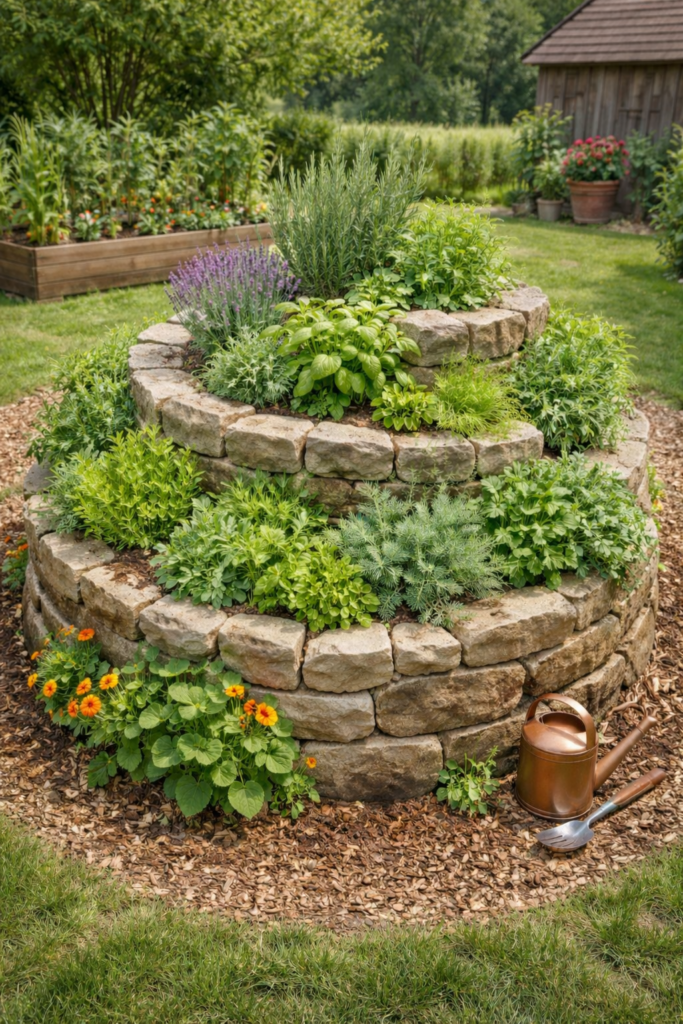
In other words, it is gardening with a specific focus.
That focus might be practical, like gardening in shade or in a very small space. It might be themed, like a salsa garden, pizza garden, butterfly garden, or medicinal herb garden. It might be based on a special growing structure, a special audience, or a special goal. Rutgers notes that home gardeners often branch into specialized topics such as themed gardens and challenging locations, and the University of Arizona’s “Specialty Gardens” guide gives examples like butterfly gardens, bat gardens, salsa gardens, dinosaur gardens, and sunflower houses.
So specialty gardening is not really one single method. It is more of an umbrella category for gardens that are designed around a specific use, interest, or situation.
What Makes a Garden “Specialty”
A specialty garden is usually organized around one central idea.
That idea could be:
- a certain purpose
- a certain kind of plant
- a certain location or challenge
- a certain user, such as children, pollinators, or wildlife
- a certain style of growing
For example, a standard kitchen garden may simply grow a mix of useful crops. A specialty garden might narrow that down into a tea garden, a cutting garden, a pollinator garden, a sensory garden, or a medicinal herb garden.
The structure is more intentional.
Instead of just asking, “What do I want to grow?” specialty gardening asks, “What is this garden for?”
That one question changes a lot.
Why Gardeners Like Specialty Gardening
One reason people enjoy specialty gardening is that it gives a garden clearer purpose and personality.
A specialty garden can make planning easier because it narrows the choices. Instead of trying to grow everything everywhere, you group plants that serve the same function or fit the same theme. The University of Arizona’s guide points out that themed and creative garden spaces can make gardening more engaging and meaningful, especially when they connect with a specific interest or goal.
Specialty gardening can also:
- make a garden more organized
- make small spaces feel more purposeful
- help solve a growing challenge
- support pollinators or wildlife
- create educational spaces
- make harvest and maintenance more efficient when like plants are grouped together
For a lot of gardeners, it is simply more fun too. A specialty garden has a sense of identity.
Common Types of Specialty Gardens
There are a lot of ways this can go, but some of the most common specialty gardens include:
- herb gardens
- butterfly gardens
- pollinator gardens
- medicinal gardens
- kitchen gardens
- salsa gardens
- pizza gardens
- tea gardens
- sensory gardens
- shade gardens
- container-only gardens
- cut flower gardens
- children’s gardens
- wildlife gardens
- drought-tolerant gardens
Some are built around harvest use. Some are built around beauty. Some are built around problem-solving. Some are built around education or enjoyment.
That is part of what makes specialty gardening so useful. It is flexible.
The Good Side and the Hard Side
The good side is that specialty gardens can be very satisfying and very practical. They often make the space feel more intentional, and they can help gardeners focus their time, budget, and energy on what matters most to them.
But there is a tradeoff.
Because specialty gardens are more focused, they can also be more limited. A butterfly garden is not trying to do the same thing as a vegetable garden. A sensory garden is not planned the same way as a cut-flower space. A shade garden has different plant options than a hot, sunny herb bed.
That means specialty gardening works best when the goal is clear from the start.
If the purpose is muddy, the design often gets muddy too.
Is Specialty Gardening Right for You?
Specialty gardening may be a good fit if:
- you like clear themes and purposes
- you want a garden built around a specific use
- you are trying to solve a location or space problem
- you enjoy designing with intention
- you want a garden that feels personal
It may be less appealing if:
- you prefer a general-purpose garden
- you do not want to limit the kinds of plants in one space
- you are still figuring out what you most want from the garden
That said, many gardeners wind up using both approaches. They may have a regular vegetable garden plus one or two specialty spaces built around herbs, pollinators, shade, or kitchen use.
Final Thoughts
Specialty gardening is less a single method and more a focused approach to garden design. It is about building a garden around a particular purpose, theme, condition, or need. That can make the space more useful, more interesting, and more personal.
Rutgers highlights themed gardens and challenging locations as examples of specialized home-gardening topics, and the University of Arizona’s guide shows just how many creative forms a specialty garden can take.
If you want a garden that does one specific job especially well, specialty gardening may be exactly the right direction.
For more information about Specialty Gardening: