Square Foot Gardening
A Simple Way to Grow More in Less Space
Square foot gardening is one of those methods that just makes good sense, especially if you want to grow a lot without wasting space, time, or energy. Instead of planting in long rows with wide paths in between, you break your growing area up into small sections and use each one on purpose. It keeps the garden neat, makes planning easier, and helps you get more out of the space you’ve got.
For folks who don’t want a garden that feels scattered and hard to manage, this method can be a real help. Everything has its place. You can look at the bed and know exactly what’s planted where, what needs to be replaced, and what’s ready to harvest. It’s especially handy in raised beds, small gardens, and backyard growing spaces where every foot matters.
What Is Square Foot Gardening?
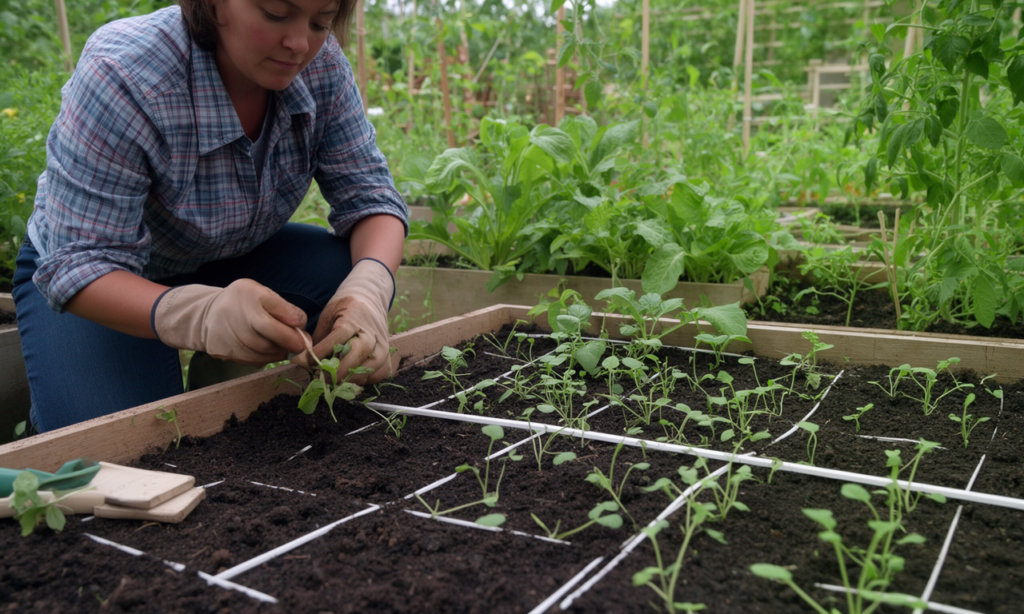
Square foot gardening is exactly what it sounds like. You take a garden bed, usually a raised bed, and divide it into one-foot by one-foot squares. Each square becomes its own little planting space. Then you plant each one based on how much room that crop needs.
A lot of people start with a 4-by-4 bed, which gives you 16 squares to work with. That size is easy to reach from all sides without stepping into the bed, and that’s important. Once you start walking in the soil, you pack it down, and packed soil is harder on roots. Keeping the soil loose and workable is one of the things that makes this method work so well.
Benefits of Square Foot Gardening
One of the biggest benefits of square foot gardening is that it helps you use your space wisely. You’re not giving up half the garden to walking rows. You’re planting with intention, and that usually means better use of the bed and less waste overall.
It can also cut down on weeds. When plants are spaced properly and growing close enough together, they shade the soil better, which leaves less room for weeds to get started. That alone can save a lot of work over the course of a season.
Another thing people like about it is how simple it makes the planning. Instead of trying to remember how far apart everything needs to be in a long row, you just figure out what belongs in each square. It’s easier to keep track of, easier to rotate crops, and easier to replant when one crop comes out and another goes in.
It can save water too, especially in raised beds with good soil. Instead of watering a bunch of empty row space, you’re watering the growing area itself.
How to Set Up a Square Foot Garden
The setup is pretty straightforward. Most people use a raised bed that’s 4 feet wide, because that lets you reach the middle from either side without having to step in it. The length can vary, but 4 by 4 is a common starting point because it’s simple and manageable.
Once the bed is built, divide the top into one-foot squares. You can do that with string, thin boards, or anything else that clearly marks off the grid. It doesn’t have to be fancy. It just needs to help you see the planting spaces.
Then fill the bed with good loose soil. That part matters. Since you’re planting fairly intensively, you want rich soil with plenty of organic matter in it.
Compost is your friend here. Healthy soil makes all the difference in a setup like this.
After that, you decide what goes in each square based on the size of the crop. For example:
- 1 tomato, pepper, broccoli, or cabbage per square
- 4 lettuce plants per square
- 9 bush beans, spinach, or beets per square
- 16 carrots or radishes per square
If you’re growing something that wants to run, like cucumbers, you can grow it up a trellis and save yourself some space that way too.
Best Crops for Square Foot Gardening
A lot of crops do really well in a square foot garden. Lettuce, spinach, radishes, carrots, onions, beets, bush beans, and a lot of herbs are all good choices. Basil, parsley, and chives fit in nicely and are easy to tuck into smaller spaces.
Tomatoes and peppers can do well too, as long as you give them proper support and don’t crowd them. The main thing is to be realistic about the size of the mature plant, not just the seedling you started with.
Some crops are a little less suited to this method. Big sprawling plants like pumpkins, melons, and large winter squash can take over in a hurry unless you’ve got the room and a plan for them. Corn can be tricky too, since it usually does best planted in blocks for pollination. That doesn’t mean you can’t experiment, but some things fit this method better than others.
Is Square Foot Gardening Right for You?
If you want a garden that’s organized, productive, and easier to manage, square foot gardening may be worth a try. It works especially well for beginners, busy folks, people gardening in small spaces, and anybody who wants to make the most of a raised bed.
It’s also a good choice for people who like to keep things orderly. When everything is laid out square by square, it’s easier to stay on top of planting, harvesting, and replanting. You don’t have to overcomplicate it. You just need a workable plan and good soil.
Final Thoughts
Square foot gardening has stuck around for a reason. It’s practical. It helps you grow a lot in a smaller space, keeps the garden looking tidy, and makes it easier to stay organized through the season. For people who want a garden that works hard without becoming a mess, it’s a solid method to consider.
Next Read: Square Foot Gardening Math