How to Grow Squash
General Information
| Scientific Name: | Cucurbita pepo (common squash) |
| Common Names: | Cucurbita maxima, Cucurbita moschata (winter squash) |
| Plant Family: | Cucurbitaceae (Cucurbits) |
| Vegetable Type: | Fruit |
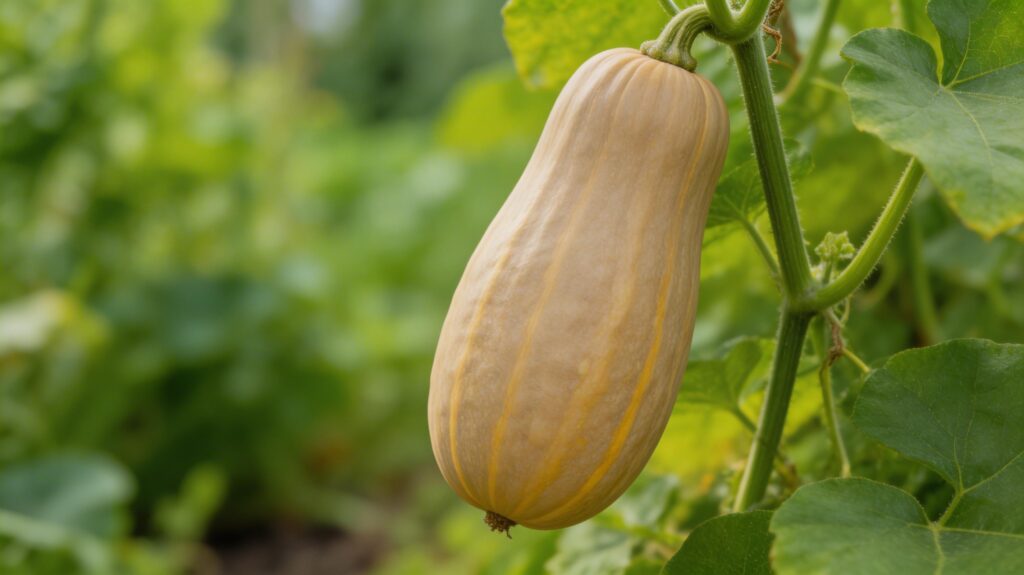
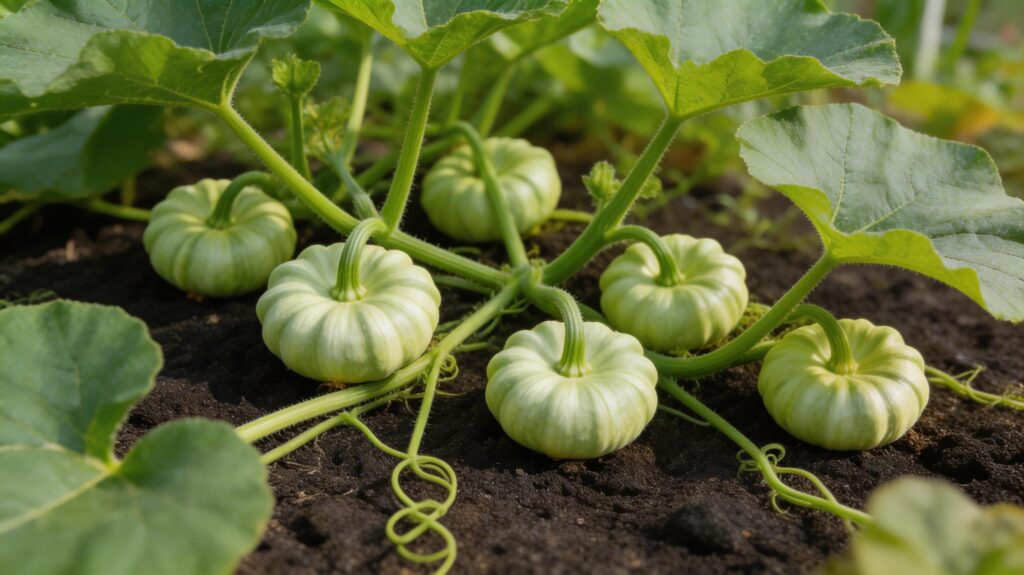
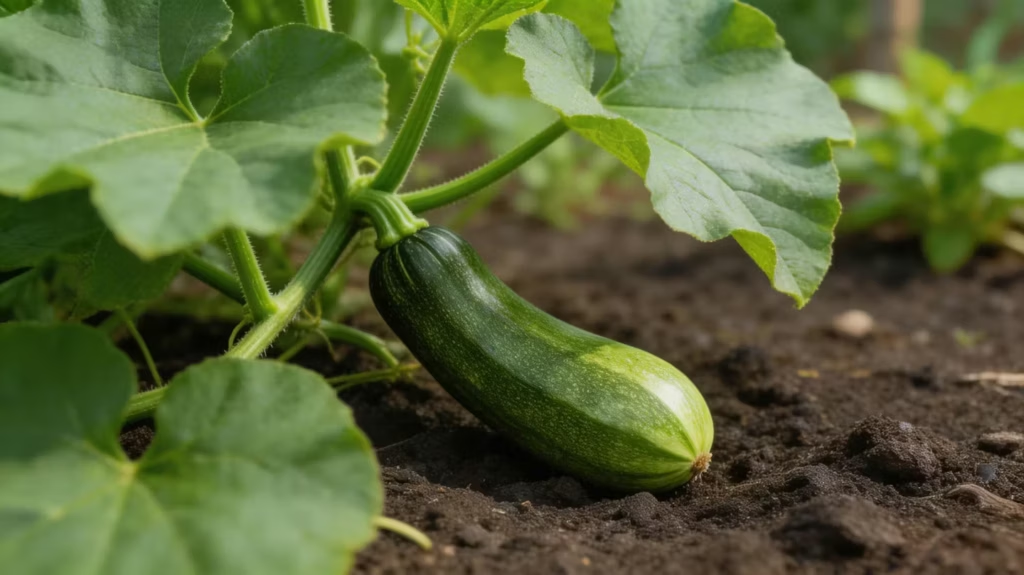
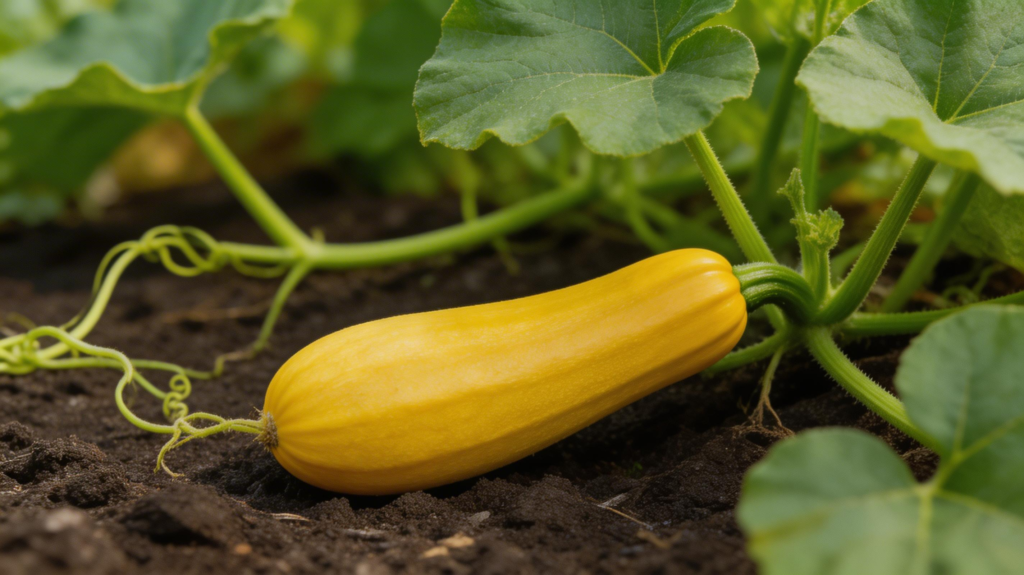
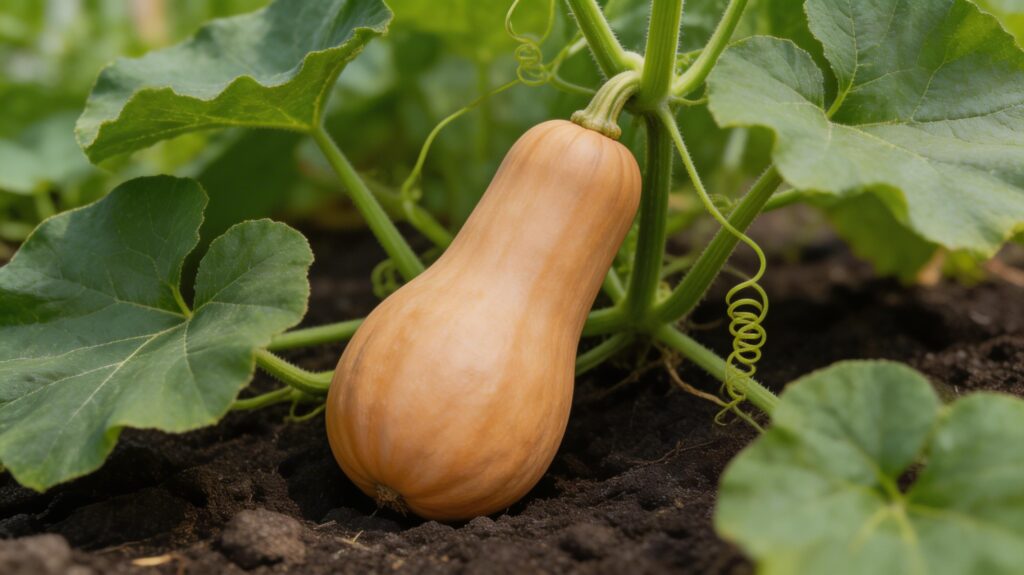
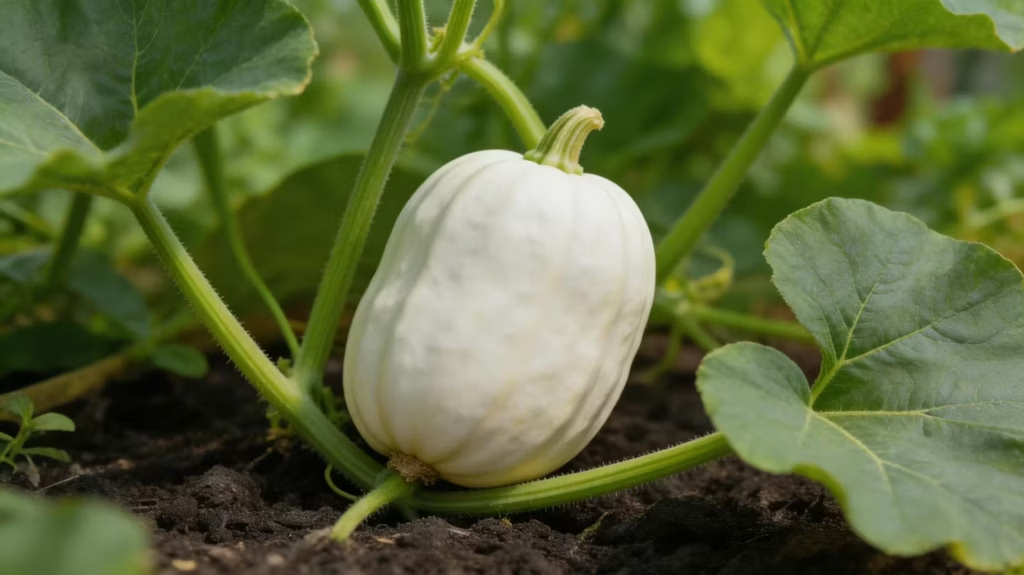
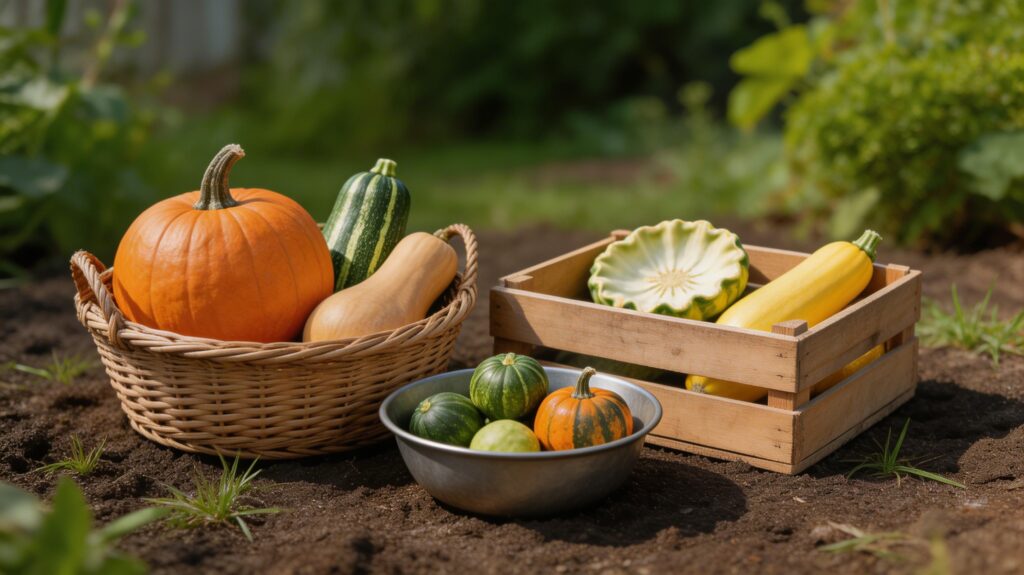
| Popular Varieties: | – Summer Squash: Zucchini (Black Beauty or Golden Zucchini), Yellow Squash (Crookneck or Straightneck), Pattypan Squash. – Winter Squash: Butternut (Waltham Butternut), Acorn Squash (Table Queen) and Speghetti Squash. |
Know Before You Grow
| Growing Zones: | 3 thru 11 |
| Crops per Year: | Zones 3 – 6: 1 crop Zones 7 – 11: 2 to 3 crops in Spring, Summer and Late Summer. |
| Plants Per Person: | Fresh Eaating: 2 to 3 plants per person. Storage and Preservation: 4 to 5 plants per person. |
| Growing Methods: | Traditional rows, raised beds, mounded hills, containers or large pots, intercropping, hydroponics |
| Frost Hardy: | No |
| Heat Tolerant: | Yes |
| Stratification: | No |
| Scarification: | No |
| Resistances: | Cucumber beetles, variety specific |
Rotation Schedule
| Schedule: | 3 to 4 year rotation schedule |
| Follow ->: | Legumes, leafy greens |
| <-Following: | Leafy greens, root crops |
Starting from Seed
| When: | Best direct sown in longer season zones. In shorter season zones, start Indoors: 3 to 4 weeks before expected last frost date. |
| Soil: | Seed starting mix |
| Depth: | 1 inch |
| Water: | Keep moist |
| Germination: | 7 to 10 days |
| Up Pot: | After 1st set of true leaves, if needed |
| Harden Off: | 7 to 10 days, gradually increasing exposure. |
| Light: | 12 to 16 hours per day |
| Humidity: | Use a dome, remove after sprouting |
| Soil Temperature: | 70° to 95°F |
| Heat Mat: | Yes |
Garden Bed Prep
| Soil: | Well draining fertile soil. It should be loose, not compacted. It should be rich in organic matter (compost or aged manure). |
| pH: | 6 to 7 |
| Soil Depth: | 12 inches |
| Trellis: | No for summer squash, Yes for winter squash varieties. |
| Fertilizer: | Balanced all purpose slow-release fertilizer or compost mixed into the soil. |
| Compost: | 2 to 3 inches over the top and slightly mixed in. |
Transplanting
| When: | After all danger of frost has passed. Daytime air temperature should be consistently over 60°F. |
| How: | Transplant in the morning or evening to avoid stressing the plant. |
| Depth: | Same depth they were at in the pot. |
| Spacing: | 2 to 3 feet |
| Mulch: | Add 2 inches of organic mulch (leaves, grass clippings or straw) about two weeks after transplanting. |
| Water: | Consistently moist. Water at the base, until the soil about 3 inches down. Once or twice a water, more often if it’s hot or windy. Do not waterlog your squash. |
Direct Sowing
| When: | After last frost date, when soil temperature is above 60°F |
| Depth: | 1 inch |
| Spacing: | 2 to 3 feet |
| Water: | Keep moist until sprouting, then water as for a mature plant. |
| Light: | Full sun |
| Soil Temperature: | Above 60°F |
| # in Sq. Ft. Planting: | 1 |
Growing Care
| Soil pH: | 6 to 7 |
| Fertilizer/Feed: | When flowering starts, side dress with a balanced vegetable fertilizer with equal parts N-P-K |
| Days to Maturity: | Direct Sowing: 50 – 60 Days after planting the seed. Starting Indoors: 50 – 60 Days after transplanting. |
| Water: | 1 inch per plant per week (see above)Keep the soil consistently moist to three inches down. |
| Pruning: | Remove leaves near the base, avoid cutting off main growing tips. Remove yellowing leaves, dead leaves, or diseased leaves. Keep the top of the plant in leaves to shade the fruit a bit. |
| Mulching: | 2 inches of organic mulch 2 weeks after planting, but do not put it right against the stems. Re-mulch about halfway through the season. |
| Pollination: | Bees, hand-pollination |
Companions & Antagonists
| Plant Family: | Antagonists: |
| Dill | Potatoes |
| Beans | Onions |
| Corn | Fennel |
| Radishes | Brassicas |
| Marigolds | Walnuts |
Attracts & Repels
| Attracts: | Repels: |
| Pollinators | Certain Nematods |
| Lady Bugs | Mexican Beetle |
| Lacewings | Weeds |
Pests & Disease
| Pests: | Disease: |
| Squash Bugs | Powdery Mildew |
| Vine Borer | Downy Mildew |
| Cucumber Beetle | Bacterial Wilt |
| Aphids | Fusarium Wilt |
Seed Saving
| When: | End of growing season, from a fully mature fruit that remains on the vine past the point of being good to eat…but not rotting. |
| Method: | Scoop and Ferment |
| Storage: | Store in an envelop or container in a cool, dark place. |
Harvest Time
| When: | Summer Squash: When fruit is 6 to 8 inches long, and the flesh is still tender. Winter Squash: When the vine starts to die back, usually late in the season. |
| How: | Use a knife, shears or pruners to cut the vine close to the fruit for summer squash, but further away from the vine for winter squash. |
| What: | Ripe Fruit |
| Curing: | No for summer squash Yes for winter squash – Let them sit in a warm dry place for 10 to 14 days. |
| Storing: | Summer Squash – Eat fresh or preserve. Winter Squash – Store in a cool dry place with good air circulation with temps around 50° to 55°F. Keep them off the ground. Give each squash space. |
| Preservation Methods: | Freezing, canning, dehydrating |
Troubleshooting
| Yellowing Leaves: | Cause: Overwatering, lack of nutrients (nitrogen), pest problems, or even a fungal disease. Solution: Stop overwatering, fertilize with a liquid fertilizer, with higher nitrogen, check for other signs of pests or fungal disease and treat appropriately. |
| Small Fruit or Stunted Fruit: | Cause: Poor pollination. Solution: Hand pollinate Cause: Stress caused by too much or too little water, over-crowding, airflow, temperature. Solution: You can water more or less depending on which one you are doing wrong, move some plants to give them more space, and prune for better airflow. You can provide shade cloth if your plant is heat stressed. |
| Not Flowering: | Cause: Lack of pollination Solution: hand pollinate Cause: Too much nitrogen Solution: Use a balanced fertilizer Cause: Inconsistent Watering Solution: Water consistently, keeping it consistently moist. |
| Wilting: | Cause: Over watering Solution: Let the soil dry out, only water in the morning, improve drainage Cause: Under watering Solution: Keep soil consistently moist about 6 inches down. Cause: Pests or Disease Solution: Identify and Treat |
| Blossom End Rot: | Cause: Almost always a calcium deficiency. Solution: You will need to identify where the deficiency problem exists. Is there truly a lack of calcium in the soil, or is the plant not getting enough calcium because you aren’t watering like you should be? If that is the case, water as you should, because without water, the plant cannot uptake the needed calcium. If the soil doesn’t have enough calcium, add gypsum. |