How to Grow Tomatoes
General Information
| Scientific Name: | Solanum lycopersicum |
| Common Names: | Tomato, Love Apples, Pomodoro |
| Plant Family: | Solanaceae (Nightshade) |
| Vegetable Type: | Fruit (Berry) |
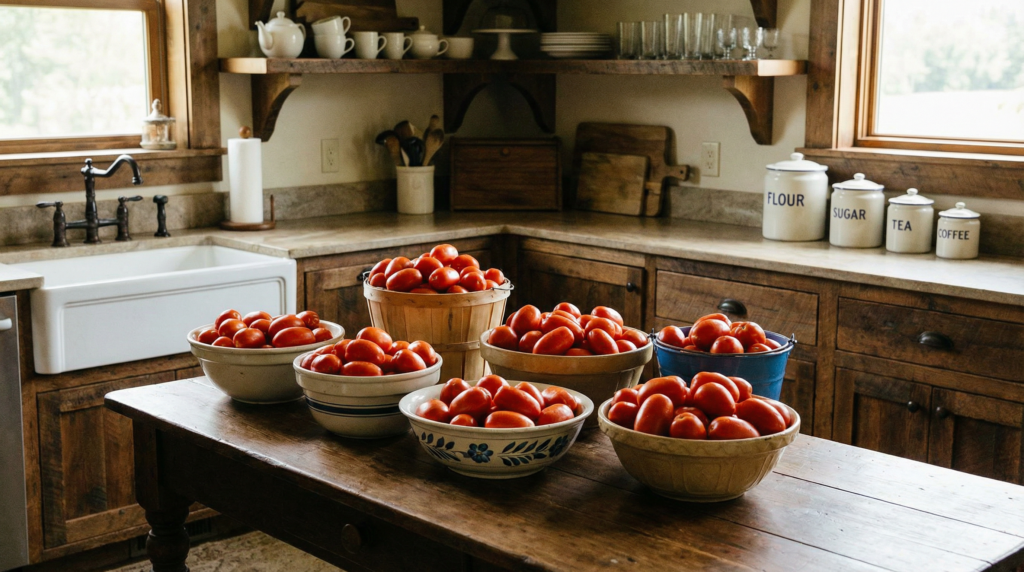
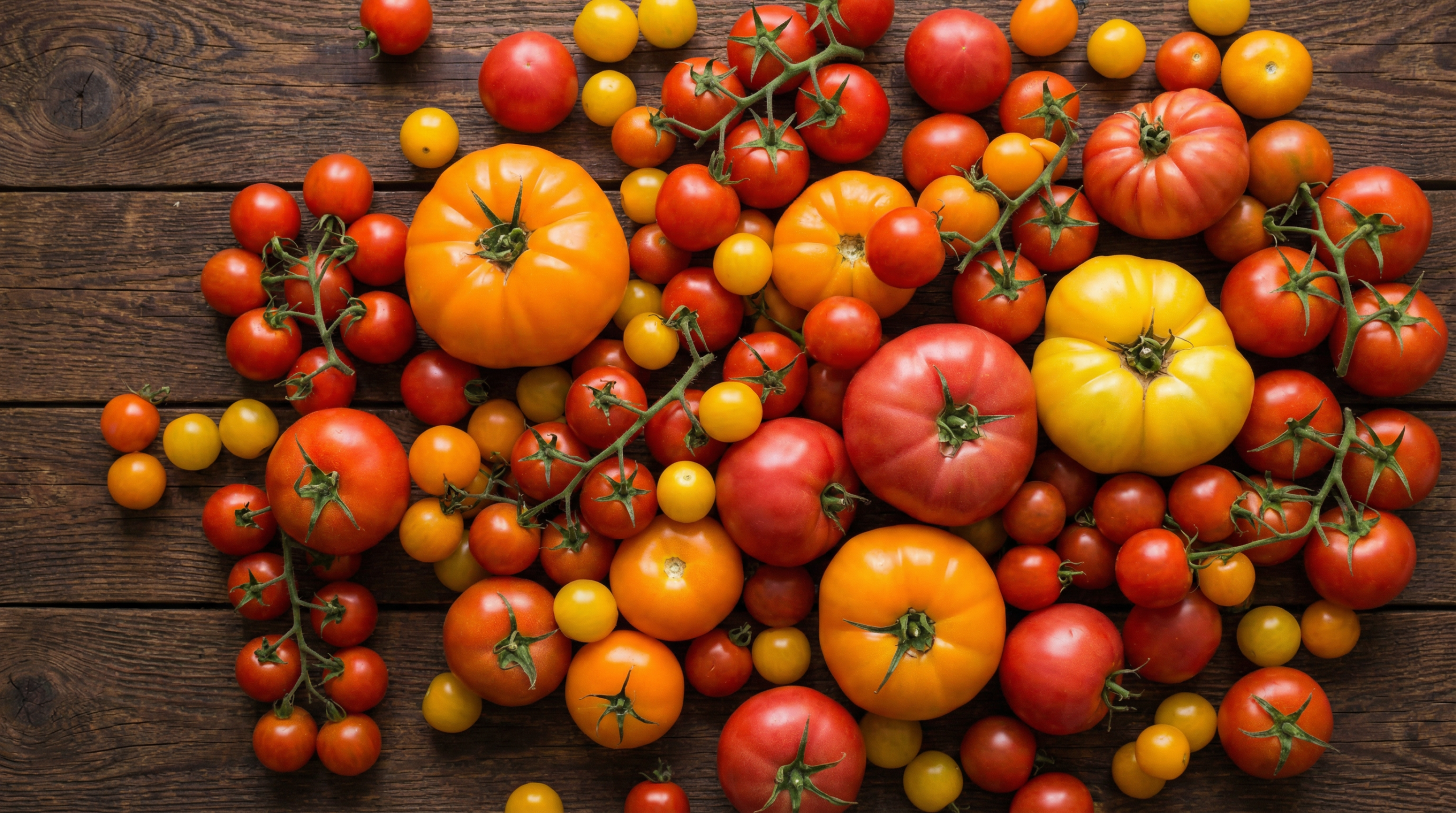
| Our Favorite Varieties: | Slicing: Beefsteak, Brandywine, Betterboy Roma: San Marzano, Plum Regal, Granadero Cherry: Sweet 100, Sun Gold, Black Cherry |
Know Before You Grow
| Growing Zones: | 5 – 11 |
| Crops per Year: | Zones 5-7 : 1 crop Zones 8-11: 2 Crops one in early summer, one in early fall |
| Plants Per Person: | 5-8 per person |
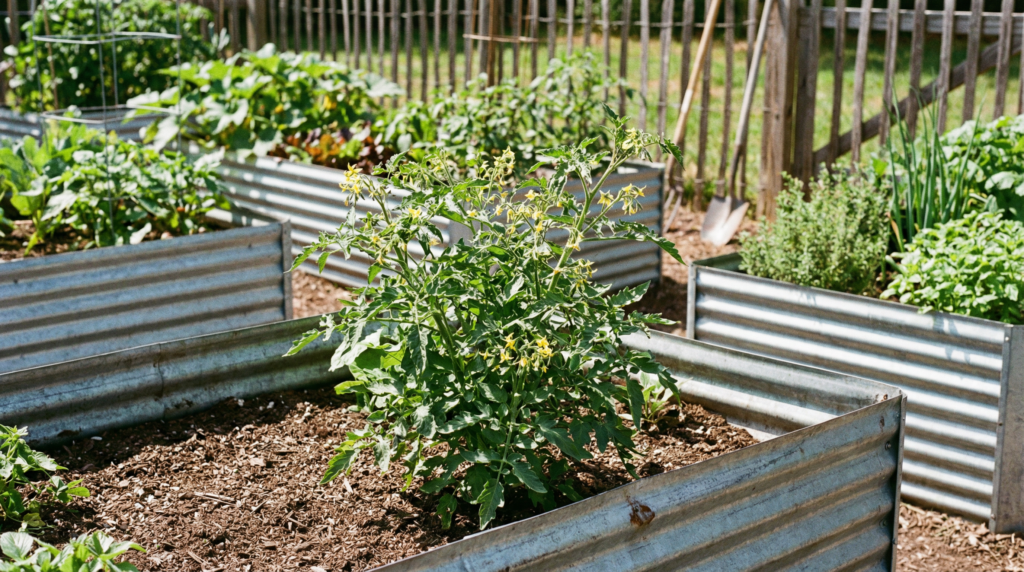
| Growing Methods: | Raised beds, Rows, Large Containers, Hanging Planters, Hydroponics, Aquaponics |
| Frost Hardy: | No – Even a light frost can kill them |
| Heat Tolerant: | Not at temperatures higher than 90° |
| Stratification: | no |
| Scarification: | no |
| Resistances: | Not all tomatoes have resistances. Refer to your seed packet for information on resistances. |
Rotation Schedule
| Schedule: | 3 to 4 year schedule |
| Follow ->: | Beans or Peas |
| <-Following: | Leafy Greens |
Starting from Seed
| When: | For a Summer Crop: Indoors 6 – 8 weeks before last frost date. For a Fall Crop: Indoors 12 to 14 weeks before the first frost date. |
| Soil: | Seed Starting Mix |
| Depth: | 1/4 inch, light covering of soil |
| Water: | Slightly moist, never soggy. Once seedlings appear, you can let the top dry a bit between waterings. |
| Germination: | 5 to 10 days |
| Up Pot: | 2 to 4 inches tall |
| Harden Off: | Start at a couple of hours a day, adding an hour every other day, continuing for a 2 week period. |
| Light: | Grow lights for seeds and seedlings (14 – 16 hours per day). |
| Humidity: | 50 – 70 percent (use a plastic humidity dome) |
| Soil Temperature: | 70° to 80° for germination. |
| Heat Mat: | Yes |
Garden Bed Prep
| Soil: | Rich, well draining soil – a loamy mix with compost mixed in. |
| pH: | 6.0 to 6.8 |
| Soil Depth: | 12 to 18 inches |
| Trellis: | Trellis or Stakes |
| Fertilizer: | Balanced 5-10-10 They need a little nitrogen, but more phosphorous and potassium for blooms and fruit. |
| Compost: | 2 – 4 inches mixed in |
Transplanting
| When: | After last frost date, when night temperatures are above 50°. The seedlings need to be betwen 6 and 10 inches tall, and should also be between 6 and 8 weeks old. |
| How: | Bury the stem to just below the bottom leaves, but don’t let those leaves touch the ground. Water them in well. |
| Depth: | Up to just below bottom leaves. |
| Spacing: | 18 to 24 inches apart |
| Mulch: | A couple of weeks after transplanting add straw, shredded leaves or compost. |
| Water: | Let the soil dry on top, and water deeply (20 to 30 minutes) once to twice a week, depending on heat and rain. |
Direct Sowing
| When: | Not Recommended |
| Depth: | [Edit] |
| Spacing: | [Edit] |
| Water: | [Edit] |
| Light: | [Edit] |
| Soil Temperature: | [Edit] |
| # in Sq. Ft. Planting: | [Edit] |
Growing Care
| Soil pH: | 6.0 – 6.8 |
| Fertilizer/Feed: | Every three weeks with a balanced fertilizer or compost tea. When flowering starts, use a fertilizer higher in phosphorous and potassium. |
| Days to Maturity: | Slicing: 70 to 85 days* Romas: 70 to 75 days* Cherry: 55 to 65 days* *From Transplant |
| Water: | Water once or twice a week, for 20 to 30 minutes at the base. |
| Pruning: | Prune off the suckers. Remove any damaged or diseased leaves, fruits and stems. |
| Mulching: | Refresh mulch mid-season |
| Pollination: | Perfect Flowers (self-pollinating), but pollinators (bees, wind, or a gentle shake) do help to boost fruit set. |
Companions & Antagonists
| Plant Family: | Antagonists: |
| Basil | Brassicas |
| Marigolds | Fennel |
| Carrots | Potatoes |
| Onions | Corn |
| Lettuce | Walnuts |
Attracts & Repels
| Attracts: | Repels: |
| Ladybugs | Asparagus Beetles |
| Lacewings | Mosquitoes if paired with basil or marigolds. |
| Bees | Aphids when paired as above. |
Pests & Disease
| Pests: | Disease: |
| Aphids | Early Blights |
| Hornworms | Late Blight |
| Whiteflies | Fusarium Wilt |
| Spider Mites | Blossom End Rot |
Seed Saving
| When: | End of season, when tomatoes are fully ripe. |
| Method: | (Wet Processing) Scoop out seeds, ferment them by placing in a small container with a bit of water, uncovered, for 2 to 4 days. If you see mold on top, that is normal. Rinse them off, spread them out to dry, then store. |
| Storage: | Paper envelop or other container in a dark, cool place. They will stay viable for several years. |
Harvest Time
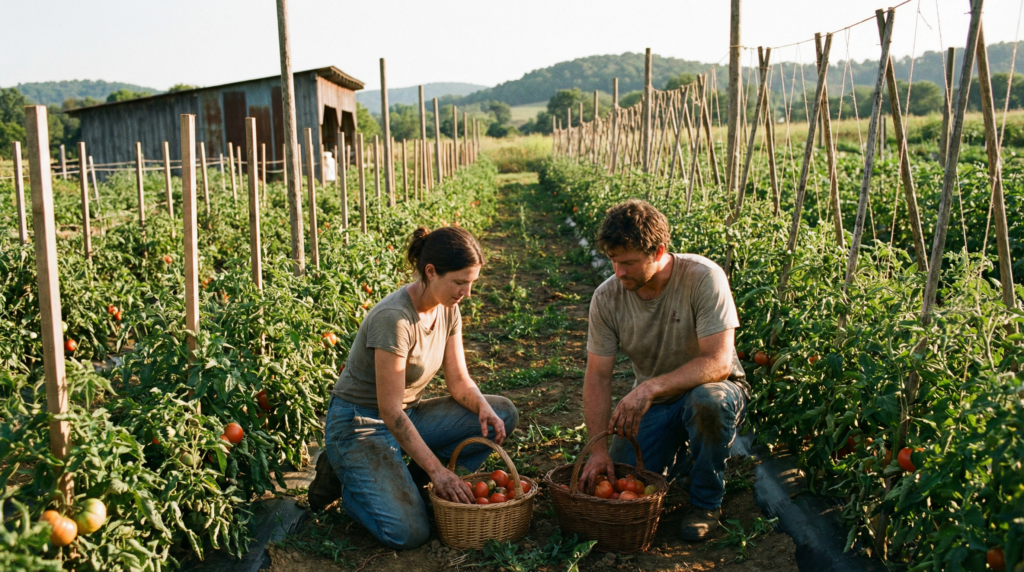
| When: | When fully colored and slightly firm. They should come off the vine with a gentle twist when they are ready. |
| How: | Gently twist or cut at the stem. |
| What: | The fruit only |
| Curing: | No |
| Storing: | Store at room temperature for 3 to 5 days. Store in refrigerator for 4 to 7 days in a breathable container. |
| Preservation Methods: | Blanche and freeze, dehydrate or sun dry, can or waterbath |
Troubleshooting
| Small Fruits: | Insufficient Nutrients: Remove the small fruits and top dress with some extra potassium and phosphorous. Too much heat: Keep the plant healthy, and when the temp cools down a bit, they should start producing plumped up fruit. |
| Not Setting Fruit or fruit falls off: | Poor airflow, too hot, not enough water, not enough pollination. Prune the plant for better airflow (in the middle an around the bottom – don’t prune the top), make sure you are watering consistently, and give the plants a gentle shake to help pollination along. |
| Not Flowering: | Environmental stress – the days may be too short or the nights too cool. When it warms up and the days or longer, they will flower…but if they don’t, you may have too much nitrogen in the soil. Transplant shock is another cause, if you’ve recently transplanted. |
| Wilting: | Potential root rot or a soil-borne disease. Dig up the plant, check the roots, and if any are brown or mushy, prune them off. Allow the roots to dry, then replant in a different place, with fresh soil. If you cut into the stem, and see a dark streak inside, this is a soil-borne fungal disease. Destroy the plant (do not compost). |
| Blossom End Rot | Calcium Deficiency – Caused by inconsistent watering usually, which won’t allow the calcium in the soil to travel up the stem and to the fruit. Check your calcium levels, add calcium or gypsum, then make sure you are watering consistently. |
| Yellowing Leaves | Nutrient Deficiency —Older leaves are yellowing: Add nitrogen. Yellowing between veins: Add Magnesium. Leaf edges look scorched: Add potassium |
| Misshapen Fruit: | Problems during pollination, inconsistent watering, temperature stress. The only thing you can control, in the real world, is water. |