
Vertical Gardening: Time to Grow UP!
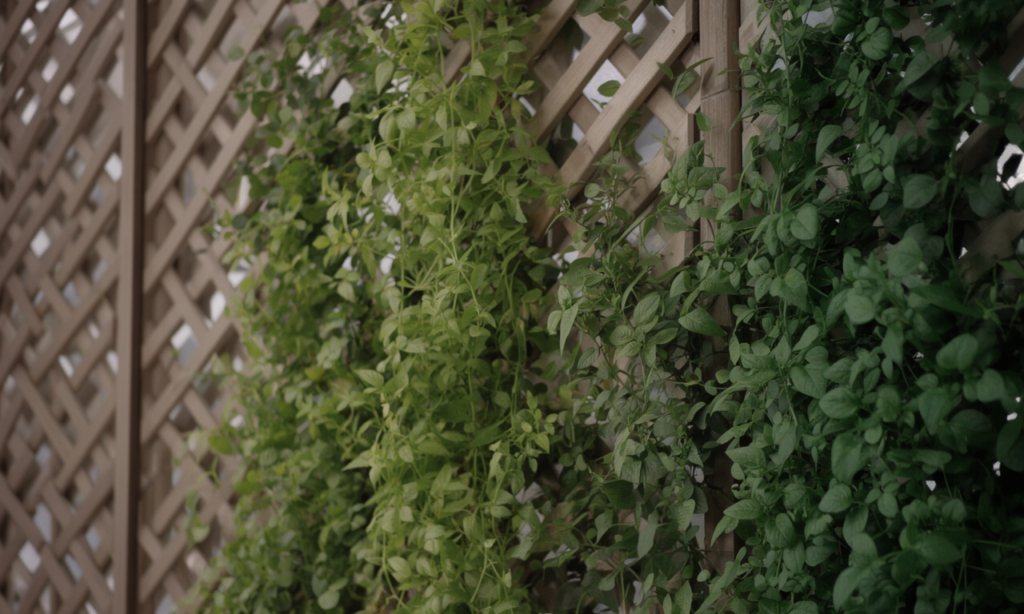
If you are short on space, tired of vines sprawling all over the place, or just want to make your garden easier to manage, vertical gardening is worth a real look.
Vertical gardening is exactly what it sounds like. Instead of letting plants grow out across the ground, you train them to grow up on some kind of support. That support might be a trellis, fence, cattle panel, netting, arbor, cage, tripod, or even a simple string system.
It saves space. It can make harvesting easier. It can improve airflow. And in a whole lot of cases, it can make the garden look better too.
Now, that does not mean every plant should be grown vertically. Some crops are made for it. Some are not. But when vertical gardening fits the crop, it can be one of the smartest ways to grow.
What Is Vertical Gardening?
Vertical gardening is a method of growing plants upward instead of letting them spread across the soil.
That can mean:
- vining crops climbing a trellis
- tomatoes tied to stakes or cages
- pole beans grown on arches or poles
- cucumbers trained up netting
- peas climbing wire or string
- small melons supported in slings
In other words, you are using height as part of your growing space.
Instead of using only the square footage on the ground, you are also using the air above it.
Why Garden Vertically?
The biggest reason is simple: space.
When plants grow up instead of out, you can fit more into a smaller area. That matters whether you are gardening in a tiny backyard, a row garden, raised beds, or containers on a deck.
But space is not the only benefit.
Vertical gardening can help by:
- saving ground space
- keeping fruit off the soil
- improving airflow around plants
- making disease easier to spot
- making harvesting easier
- reducing rot on some crops
- helping some plants get better sun exposure
- making the garden easier to walk through and work in
It can also help with pest pressure sometimes. When fruit is hanging instead of laying on damp soil, you may have fewer problems with rot, slug damage, and dirty produce.
Best Plants for Vertical Gardening
Some plants take to vertical growing naturally. Others need a little help.
Great choices for vertical gardening
- pole beans
- peas
- cucumbers
- small gourds
- luffa
- indeterminate tomatoes
- tomatillos
- malabar spinach
- small melons
- winter squash varieties with manageable fruit size
- vining flowers like morning glories or runner beans in mixed-use gardens
Plants that may work with support
- peppers, if tied up for support
- bush tomatoes, if caged
- zucchini, if trained carefully and supported
- pumpkins, if small-fruited and strongly supported
Plants that usually are not grown vertically
- root crops like carrots, beets, radishes, and turnips
- onions and garlic
- cabbage and heading lettuce
- potatoes
- corn
- most low-growing herbs
A plant does not have to be a natural climber to benefit from support, but true climbers and vines are usually the easiest place to start.
Common Vertical Gardening Supports
You do not have to build some fancy Pinterest contraption to garden vertically.
A vertical setup can be as simple or as elaborate as you want it to be.
Common supports include:
- trellises
- tomato cages
- cattle panels
- hog panels
- bamboo poles
- wood frames
- netting
- string trellises
- welded wire fencing
- arbors
- tripods or teepees
- fences
What matters most is that the support matches the crop.
A flimsy support may be fine for peas but not worth a flip for cucumbers, gourds, or an indeterminate tomato loaded with fruit.
But sometimes, what seems like a “flimsy” support isn’t nearly as “flimsy” as it looks. If you want to see a simple tomato support system without a lot of fuss, this video shows an easy string setup that is both practical and effective.
Matching the Support to the Plant
This is where a lot of people mess up.
They put a heavy plant on a weak support, then act surprised when the whole thing folds over in the first good wind.
You want to think about:
- how tall the plant gets
- how heavy the mature plant will be
- whether the fruit is heavy
- whether the plant climbs on its own or needs tying
- whether your area gets strong wind
For example:
- peas do well on light netting, string, or wire
- pole beans do well on poles, teepees, fencing, arches, and trellises
- cucumbers need something stronger than peas
- indeterminate tomatoes need serious support and regular tying
- small melons may need both a sturdy trellis and fabric slings for the fruit
Start sturdier than you think you need. Gardens have a way of getting heavier by surprise.
Where Vertical Gardening Works Best
Vertical gardening works in:
- raised beds
- in-ground row gardens
- square foot gardens
- container gardens
- greenhouse gardens
- patios and decks
- small urban spaces
- mixed ornamental-edible spaces
It is especially useful anywhere space is limited or where you want to keep walkways clear.
If you are growing in a small area, growing upward can completely change how much food you can produce in the space you have.
Benefits of Vertical Gardening
1. Better use of space
This is the big one. Vertical gardening lets you grow more in less room.
2. Cleaner produce
Cucumbers, beans, and some squash stay cleaner when they are not dragging around on wet soil.
3. Easier harvesting
It is easier to see the fruit, reach the fruit, and avoid missing overgrown monsters hiding under leaves.
4. Better airflow
Plants that are lifted off the ground often get better air circulation, which may help reduce some fungal problems.
5. Easier pest and disease monitoring
You can see stems, leaves, and fruit better when the plant is up where you can inspect it.
6. More organized beds
A vertical bed usually looks tidier and is easier to move around in.
Drawbacks of Vertical Gardening
It is not magic. It has downsides too.
1. It needs support
That means materials, setup time, and sometimes money.
2. Some plants need tying and training
Not every plant will climb neatly on its own. Tomatoes especially need regular attention.
3. Heavy crops can strain supports
A weak trellis can fail fast once plants fill out and fruit starts loading in.
4. Water needs may change
Plants grown vertically, especially in containers or very exposed spots, may dry out faster.
5. Wind can be harder on tall plants
In windy places, a tall trellised crop can take a beating if it is not anchored well.
Tips for Success with Vertical Gardening
Build first, plant second
It is much easier to install supports before the plants take off.
Anchor everything well
Put posts deep enough and secure structures properly. Do not trust wishful thinking.
Choose the right varieties
A compact cucumber is easier to manage than a wild giant vine if your space is small.
Train early
Guide vines when they are young. It is easier than trying to wrestle a jungle later.
Tie gently
Use soft ties, garden tape, cloth strips, or plant clips. Do not cut into stems.
Keep harvesting
The more often you pick, the more productive many crops will stay.
Watch the weight
Heavy fruit may need slings or extra support.
Keep airflow in mind
Do not cram everything together just because it is going up instead of out.
Crops That May Need Extra Help
Some plants climb naturally with tendrils. Others mostly need you to do the work.
Natural climbers
- peas
- pole beans
- cucumbers, to a point
- many gourds
- luffa
Plants usually needing tying or support
- tomatoes
- peppers
- eggplant
- some squash
- small melons
If a crop does not naturally cling, you may have to tie it up as it grows.
Vertical Gardening in Small Spaces
This method shines in small-space gardening.
A narrow side yard, a tiny raised bed, a deck full of containers, or a little greenhouse can produce a lot more when plants are trained upward.
A wall, fence, or freestanding trellis can turn one small growing area into a much more productive one.
This is one reason vertical gardening is so popular with backyard gardeners, homesteaders with limited bed space, and anybody trying to squeeze one more crop into the season.
Is Vertical Gardening Right for You?
Vertical gardening is a good choice if:
- you are short on space
- you grow climbing crops
- you want cleaner fruit
- you want easier harvesting
- you like a more organized garden layout
- you do not mind setting up supports
It may not be your favorite method if:
- you grow mostly root crops
- you do not want to build supports
- your site is very windy and exposed
- you prefer low-maintenance planting with minimal tying and training
Final Thoughts
Vertical gardening is one of the simplest ways to get more out of the space you already have.
It is not complicated, but it does require some planning. The support has to fit the crop. The structure has to be sturdy. And the plants need to be guided before they become a tangled mess.
But when it is done right, vertical gardening can save space, clean up the garden, improve airflow, and make harvest a whole lot easier.
If you have ever looked at a sprawling mess of vines and thought, there has got to be a better way, this might be it.
For more information on Vertical Gardening: