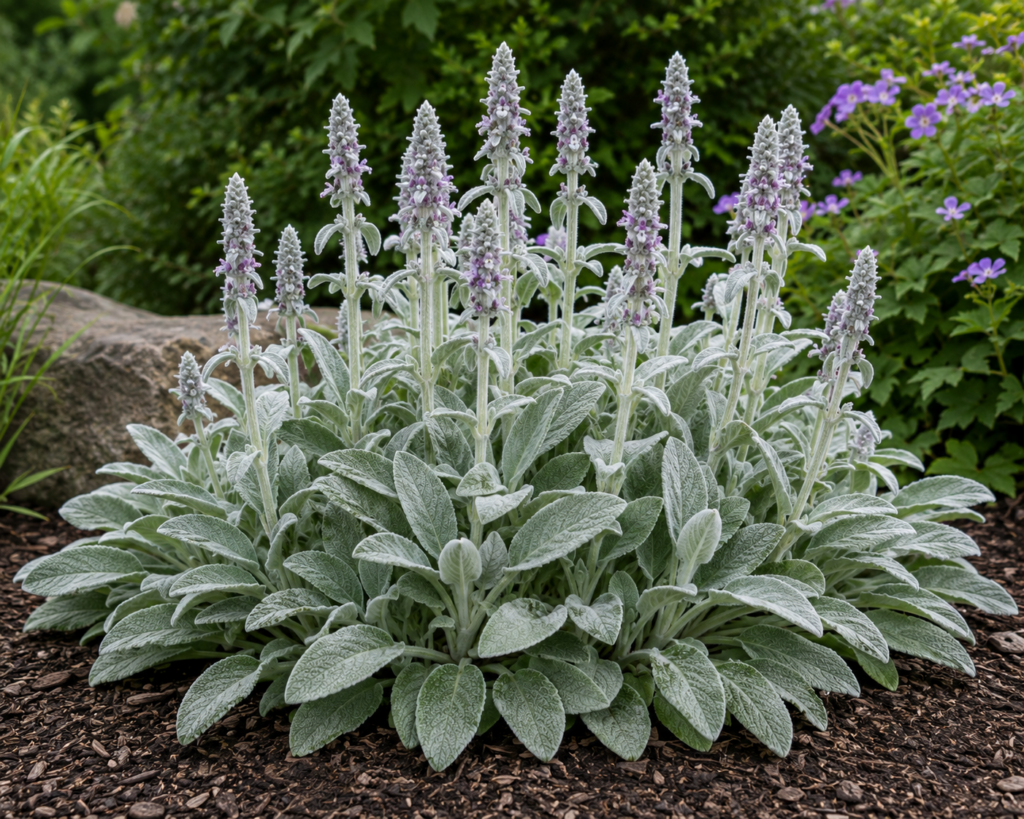
How to Grow Lamb’s Ear
General Information
| Botanical Name: | Stachys byzantina |
| Common Names: | Lamb’s Ear, Woolly Betony |
| Plant Family: | Lamiaceae |
| Type: | Perennial; medicinal, ornamental, pollinator-supporting herb |
| Our Favorite Varieties: | Helen von Stein, Big Ears, Silver Carpet |
Know Before You Grow
| Growing Zones: | Zones 4–9 |
| Frost Hardy: | Yes. Lamb’s ear is winter hardy and returns from the crown in spring. |
| Heat Tolerant: | It handles heat better in well-drained soil and may struggle in hot, humid, soggy conditions. |
| Stratification: | Not required, but 2–4 weeks of cold stratification can improve germination. |
| Rows, Beds, Containers: | Best in beds, borders, herb gardens, pollinator gardens, and containers with excellent drainage. |
Starting from Seed
| When: | Start indoors 8–10 weeks before last frost. |
| Soil: | Use a light, well-draining seed-starting mix. |
| Depth: | Surface sow or barely cover with 1/16–1/8 inch of soil. |
| Water: | Mist gently and keep evenly moist, not wet. |
| Germination: | Usually 14–21 days. |
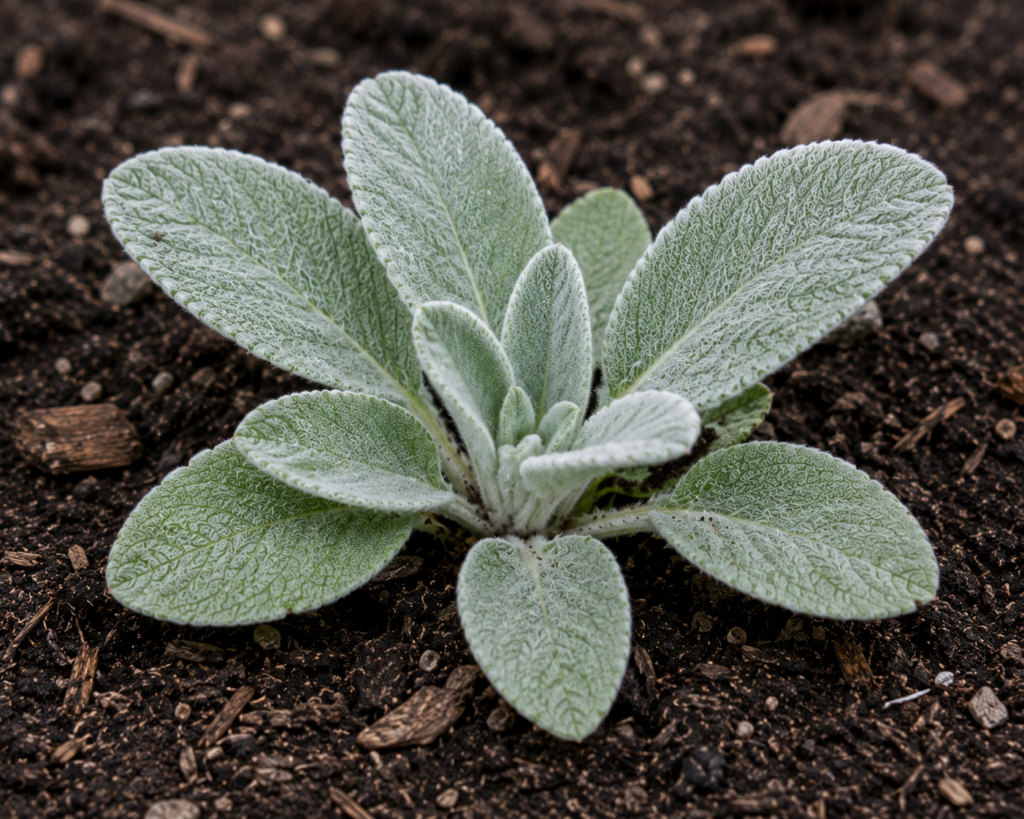
| Up Pot: | Up pot when seedlings have 2–3 sets of true leaves. |
| Light: | Needs bright light; provide 12–14 hours under grow lights. |
| Soil Temperature: | Best around 65–70°F. |
| Heat Mat: | Helpful but not required. |
| Harden Off: | Harden off for 7–10 days before transplanting outdoors. |
Row, Bed, Container Prep
| Soil: | Sandy, rocky, or well-draining garden soil is best. Avoid heavy wet clay. |
| pH: | 6.0–8.0 |
| Soil Depth or Pot Size: | Needs 8–10 inches of soil depth. Use at least a 10–12 inch wide container. |
| Trellis: | Not needed. |
| Fertilizer/Feed: | Light feeder. Too much fertilizer causes floppy, weak growth. |
| Compost: | Add a small amount of compost if soil is poor, but do not over-enrich. |
Transplanting/Up Potting
| When: | Transplant after danger of hard frost has passed. |
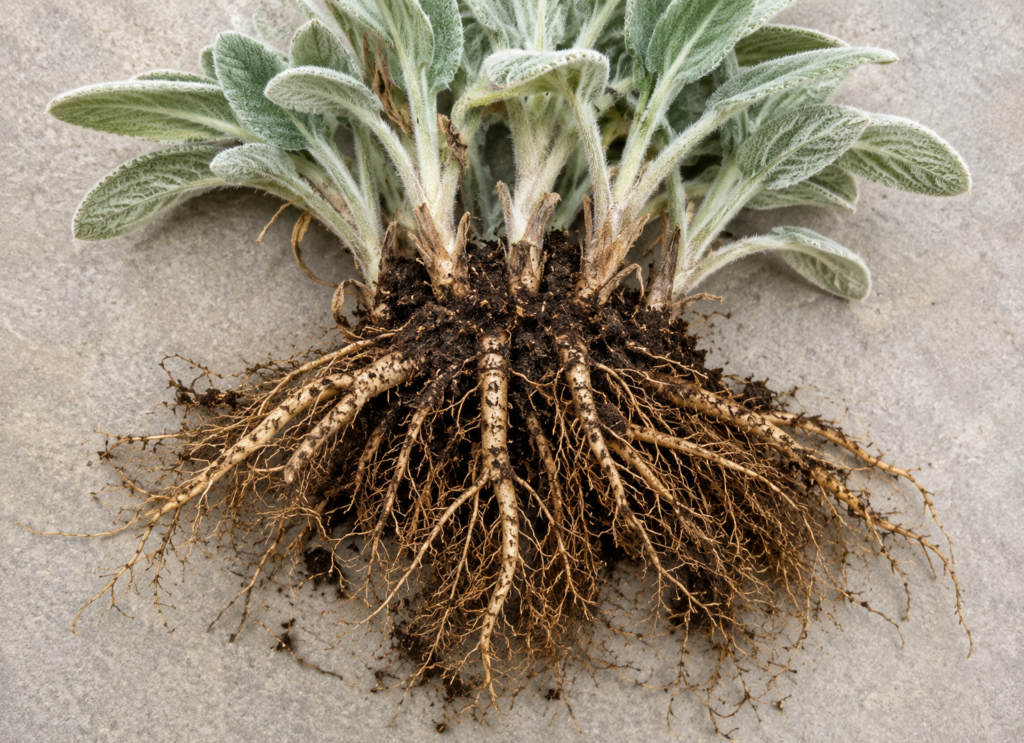
| How: | Transplant carefully without burying the crown. |
| Depth: | Plant at the same depth it was growing in the pot. |
| Spacing: | Space 12–18 inches apart. |
| Water: | Water well after transplanting, then allow soil to dry slightly between waterings. |
| Mulch: | Use light gravel, pine needles, or very thin mulch. Keep mulch away from the crown. |
Direct Sowing
| When: | Direct sow after last frost or in fall. |
| Depth: | Surface sow or barely cover. |
| Spacing: | Thin to 12–18 inches apart. |
| Water: | Keep lightly moist until established. |
| Light: | Full sun to part sun. Afternoon shade helps in hot climates. |
| # in Sq. Ft. Planting: | 1 Plant per Square Foot |
Growing Care
| Fertilizer/Feed: | Usually not needed. |
| Days to Maturity: | Usually 90–120 days from seed for a strong young plant. |
| Water: | Water deeply when soil is dry. Avoid soggy soil and overhead watering. |
| Pruning/Harvesting: | Remove damaged leaves and trim flower stalks after blooming if you want tidy growth. |
| Mulching: | Mulch lightly and keep the crown dry. |
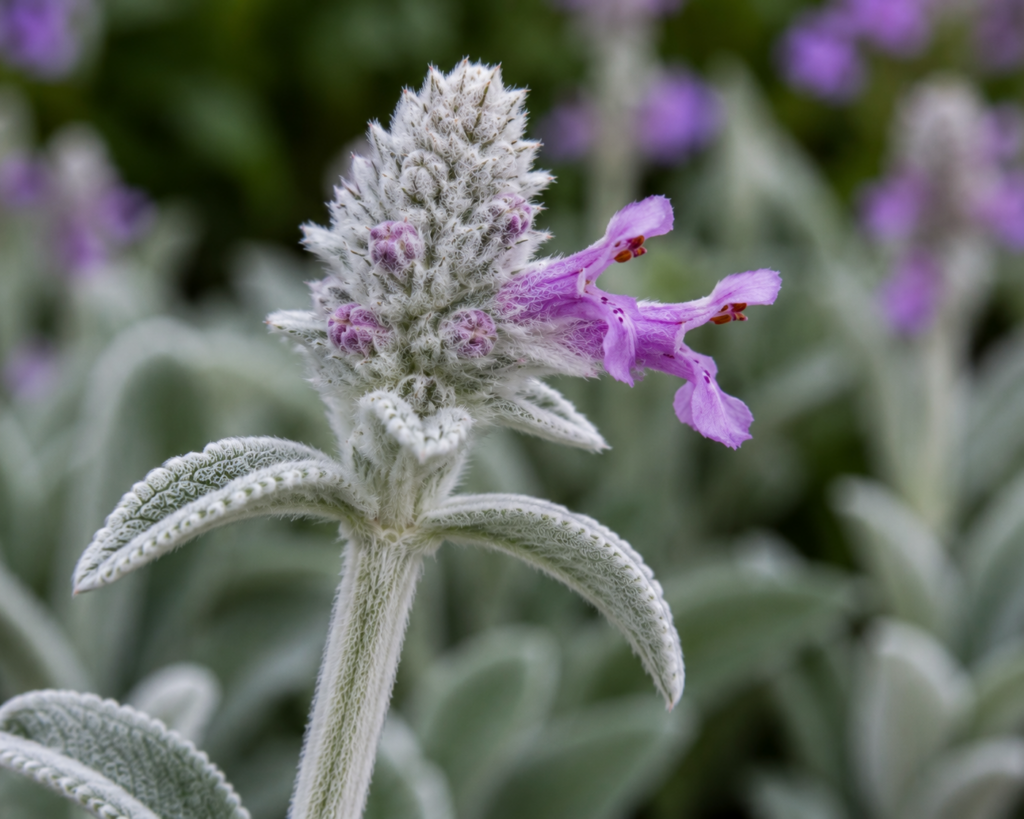
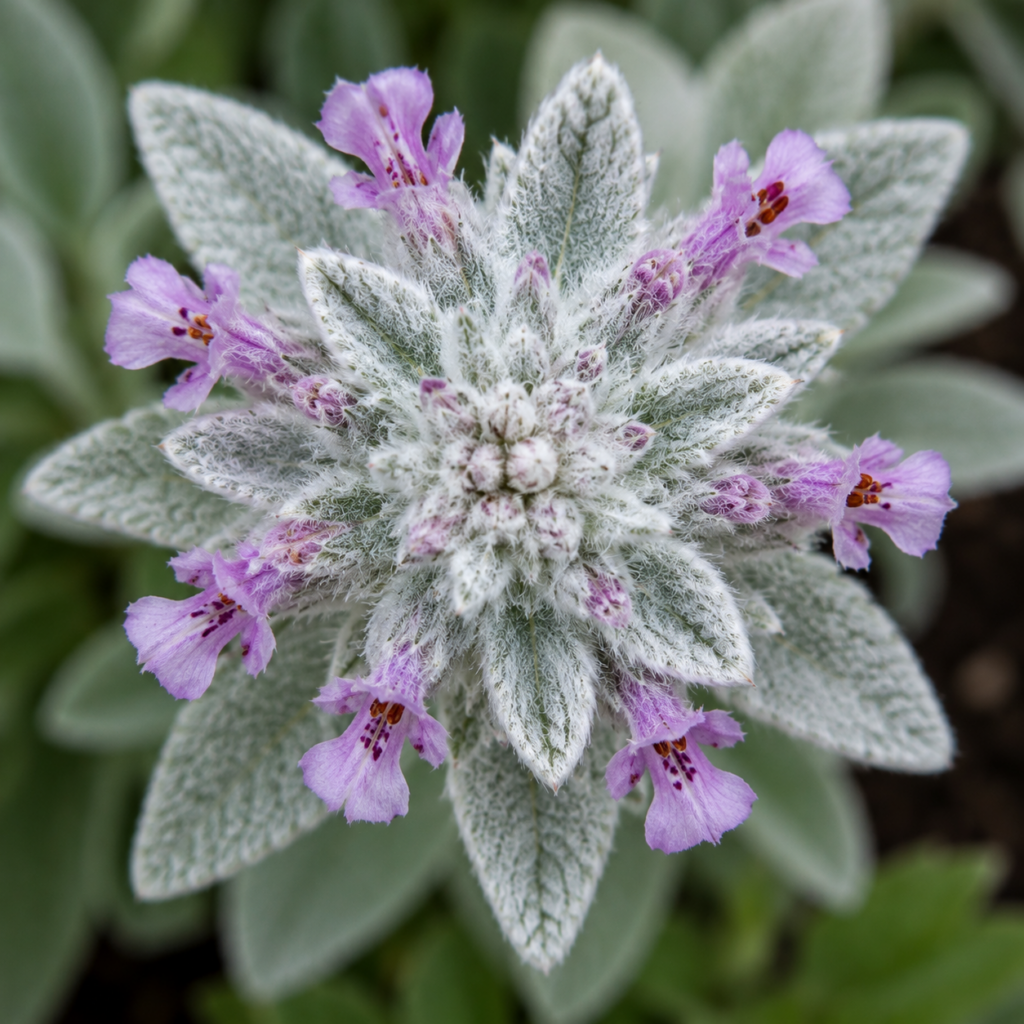
| Pollination: | Bees and other pollinators visit the flowers. |
Companions & Antagonists
| Plant Family: | Antagonists: |
| Roses | Plants that need wet soil |
| Lavender | Heavy Feeders |
| Yarrow | – |
| Echinacea | – |
| Sage | – |
| Thyme | – |
| Oregano | – |
Attracts & Repels
| Attracts: | Repels: |
| Bees, Pollinators, and beneficial insects when flowering. | Deer, rabbits |
Pests & Disease
| Pests: | Disease: |
| Slugs | Crown Rot |
| Snails | Root Rot |
| Aphids | Fungal Leaf Problems |
Seed Saving
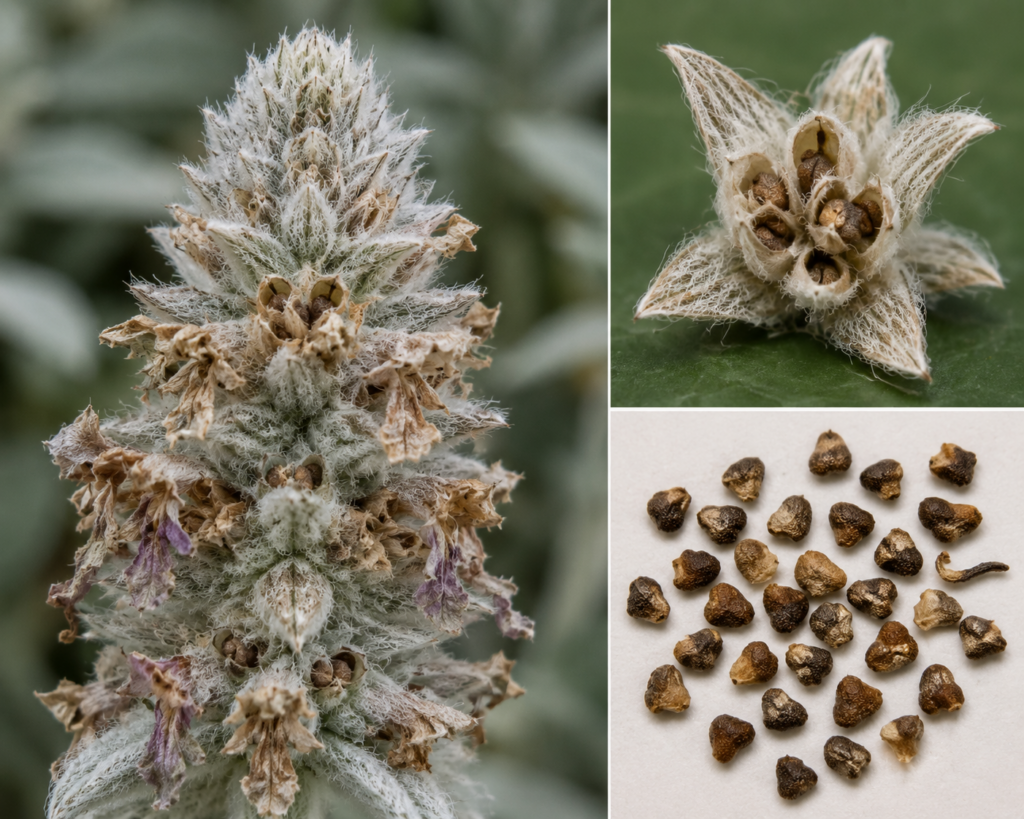
| When: | Save seeds after flower stalks dry and seed heads turn brown. |
| Method: | Cut dried seed stalks, place in a paper bag, and shake or rub to release seeds. |
Harvest Time
| When: | Harvest leaves once the plant is well established. |
| How: | Snip clean, healthy leaves as needed. |
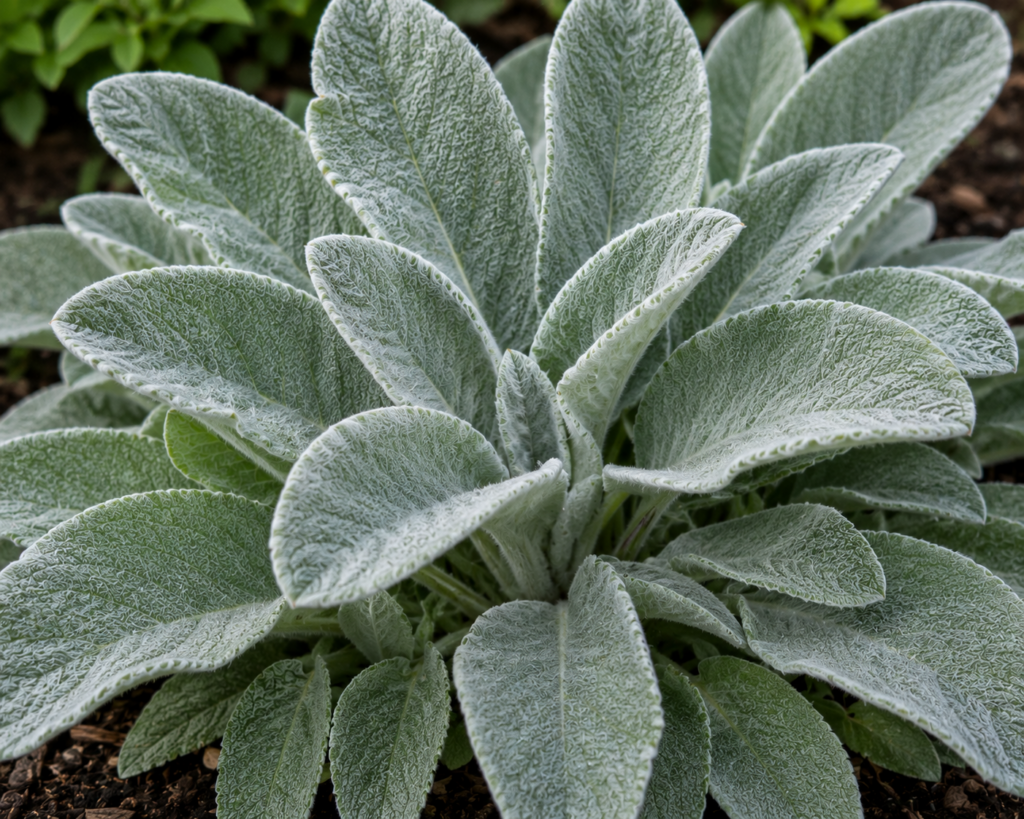
| What: | Leaves are the main part used. |
| Storing: | Use fresh or dry fully before storage. |
| Preservation Methods: | Air drying or dehydrating. |
Medicinal Uses:
| Traditionally Used for: | Minor cuts, scrapes, stings, swelling, and external wound support. |
| Forms: | Fresh leaf poultice, compress, dried leaf, infused oil, salve. |
| Dosage or Application: | Most often used externally. Apply fresh crushed leaves directly as a simple poultice or use in a compress as needed. |
| NOTICE: | This information is based on historical/traditional fact. It is for educational purposes only. Lowe Bridges Farm will not be held liable for your use of this information. Your use of this information and the results thereof is your responsibility, and yours alone. |
Culinary Uses:
| Flavor Profile: | Not commonly used as a culinary herb. |
| Best Used In: | NA |
| Forms: | NA |
As an Aromatic:
| Used for: | Mild herbal scent in fresh garden plantings. |
| How: | Grown fresh in beds, borders, and sensory gardens. |
Troubleshooting
Yellowing, mushy, or collapsing leaves |
usually mean too much water or poor drainage. Thin crowded plants to improve airflow. |
| Leggy or Floppy | reduce fertilizer and move it to brighter light. |