
Medicinal Herb Profile of Calendula
Calendula Medicinal Herb Profile covers one of the easiest and most useful herbs for a home apothecary.
Calendula is best known for skin support, soothing irritated tissue, and being one of the top herbs for infused oils, salves, balms, and gentle teas. It is cheerful in the garden, easy to grow, and one of the best herbs to keep on hand for everyday skin care.
Herb Overview
| Common Names: | Calendula, Pot Marigold |
| Botanical Name: | Calendula officinalis |
| Plant Family: | Asteraceae |
| Origins: | Southern Europe and the Mediterranean region; now widely grown in gardens around the world |
| Parts Used: | Flowers, petals |
| Primary Preparations: | Infused oil, salve, balm, tea, tincture, glycerite, compress |
Plant Identification
Full Plant (in ground): 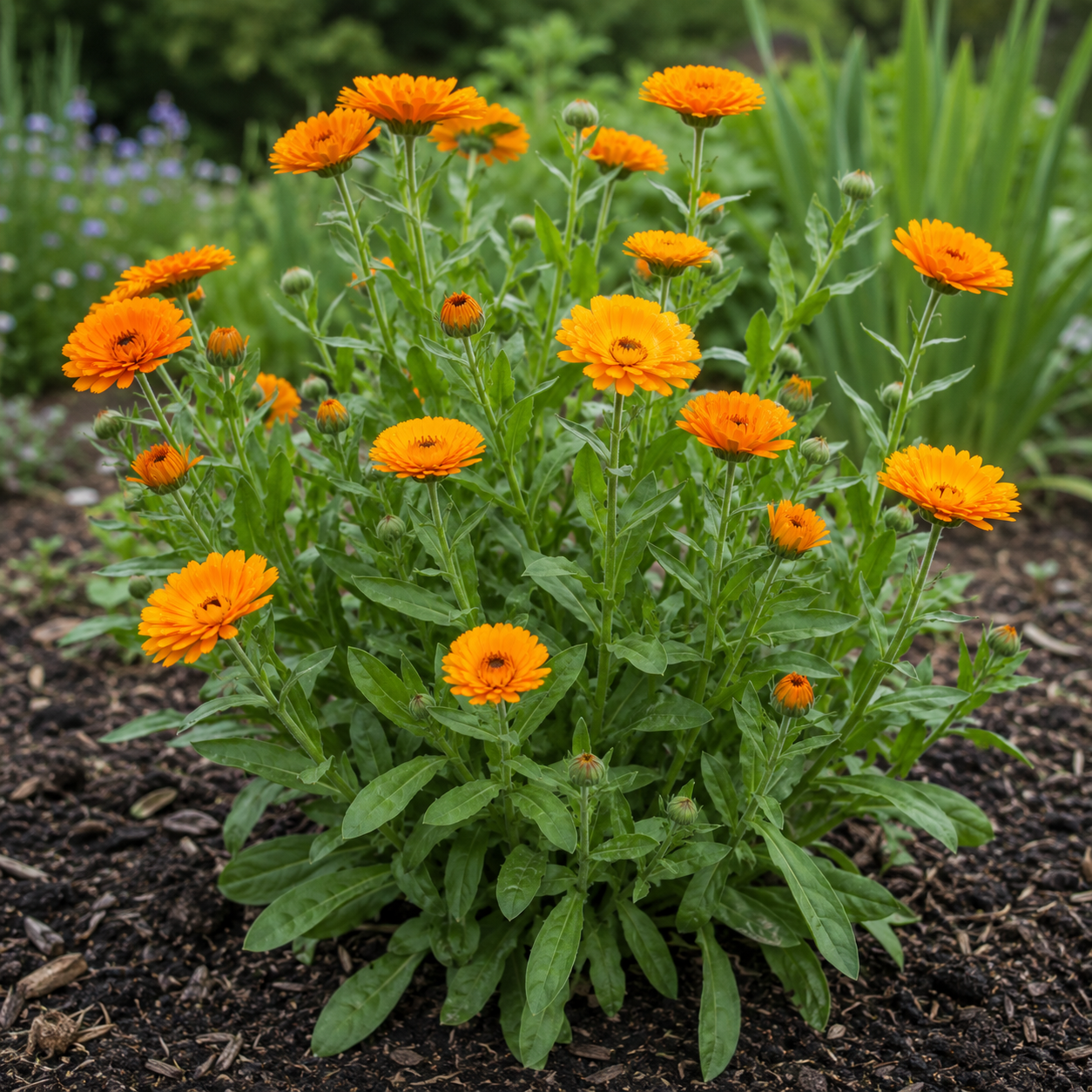
Calendula grows as a bushy annual with branching stems, soft green leaves, and bright yellow to deep orange daisy-like flowers held above the foliage.
Leaves (mature): 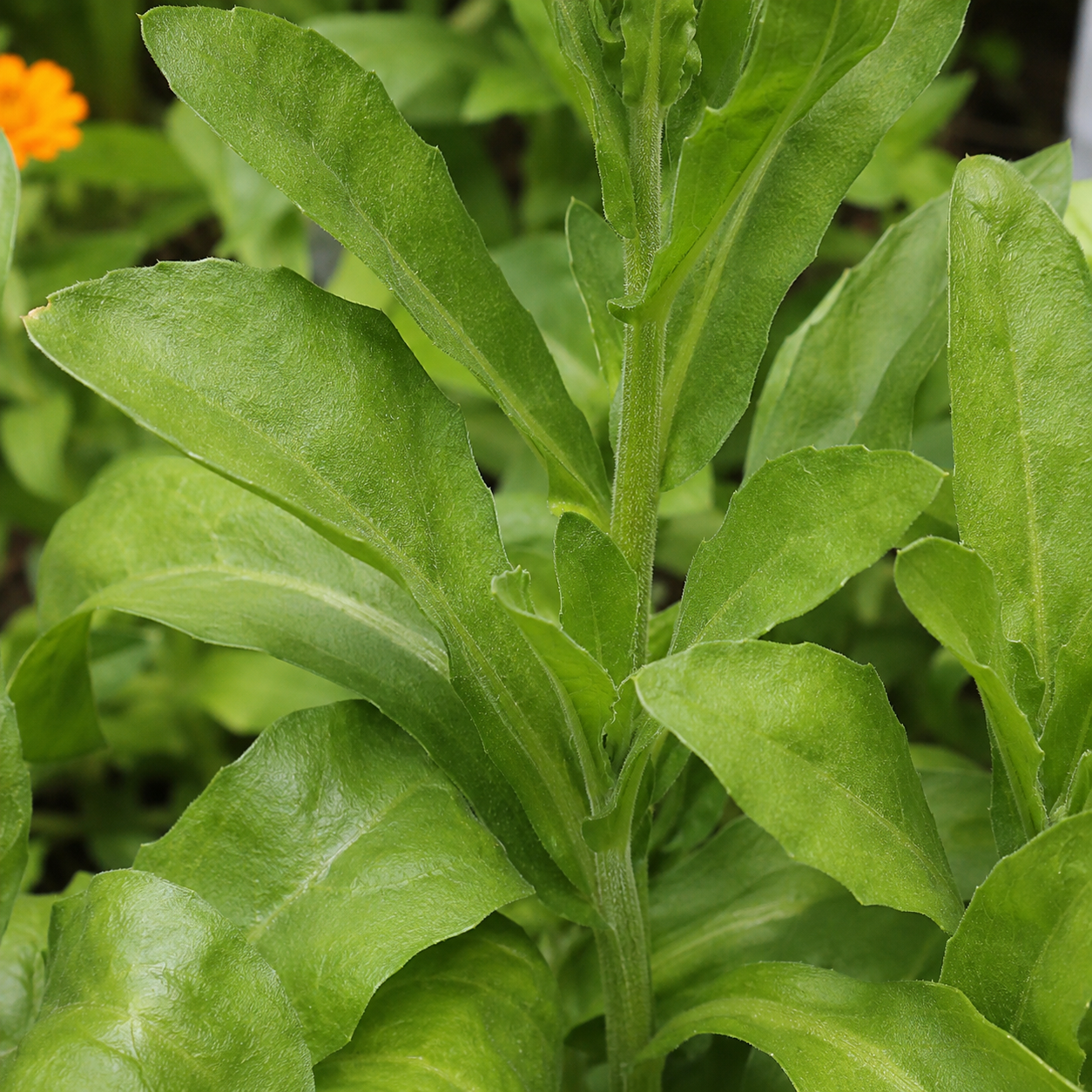
Mature leaves are medium green, somewhat oblong to lance-shaped, soft, and slightly sticky or resinous to the touch. They clasp close to the stem and usually have smooth or faintly wavy edges.
Leaves (early growth): 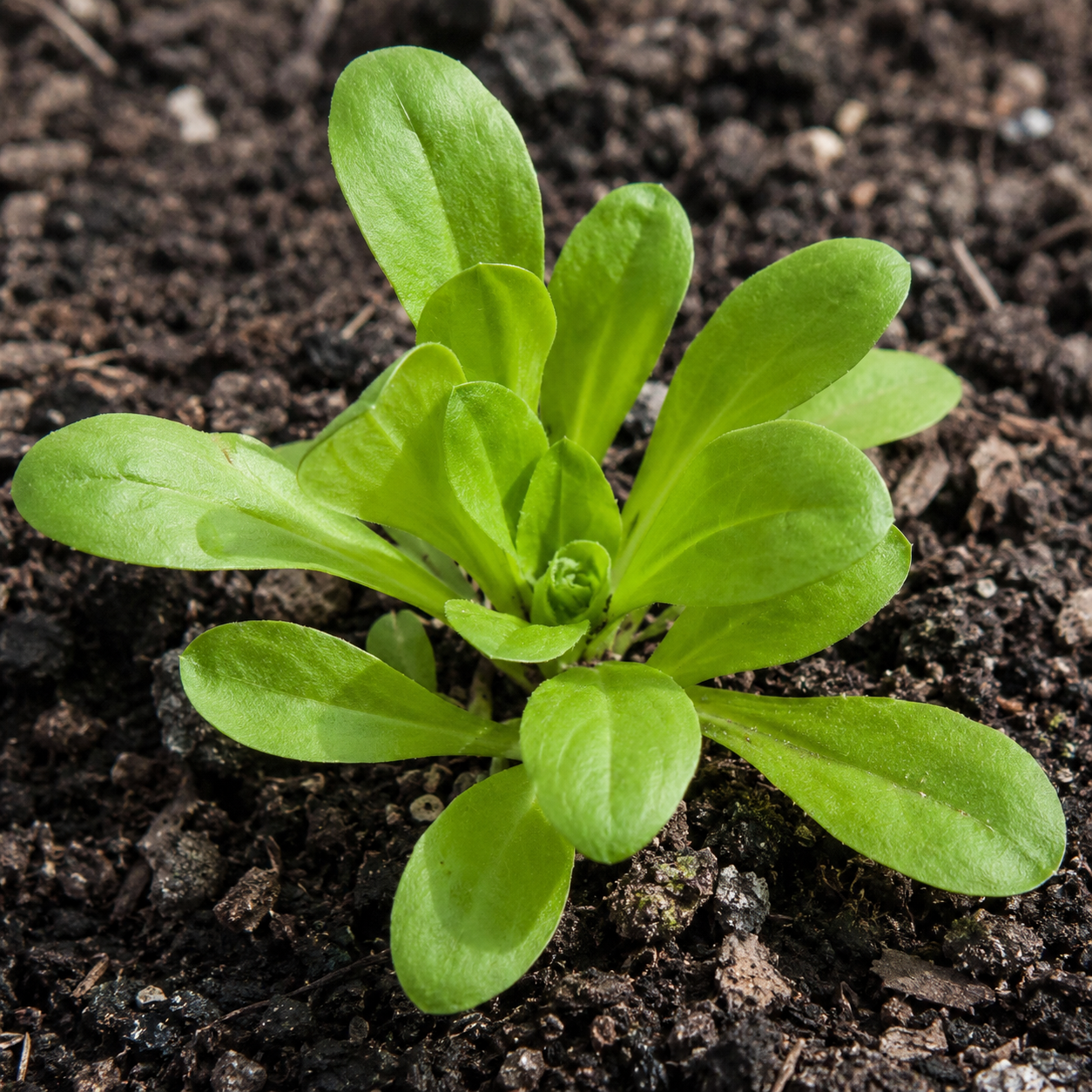
Early leaves are smaller, tender, and bright green. Young seedlings first form a low leafy base before sending up branching flower stems.
Stem: 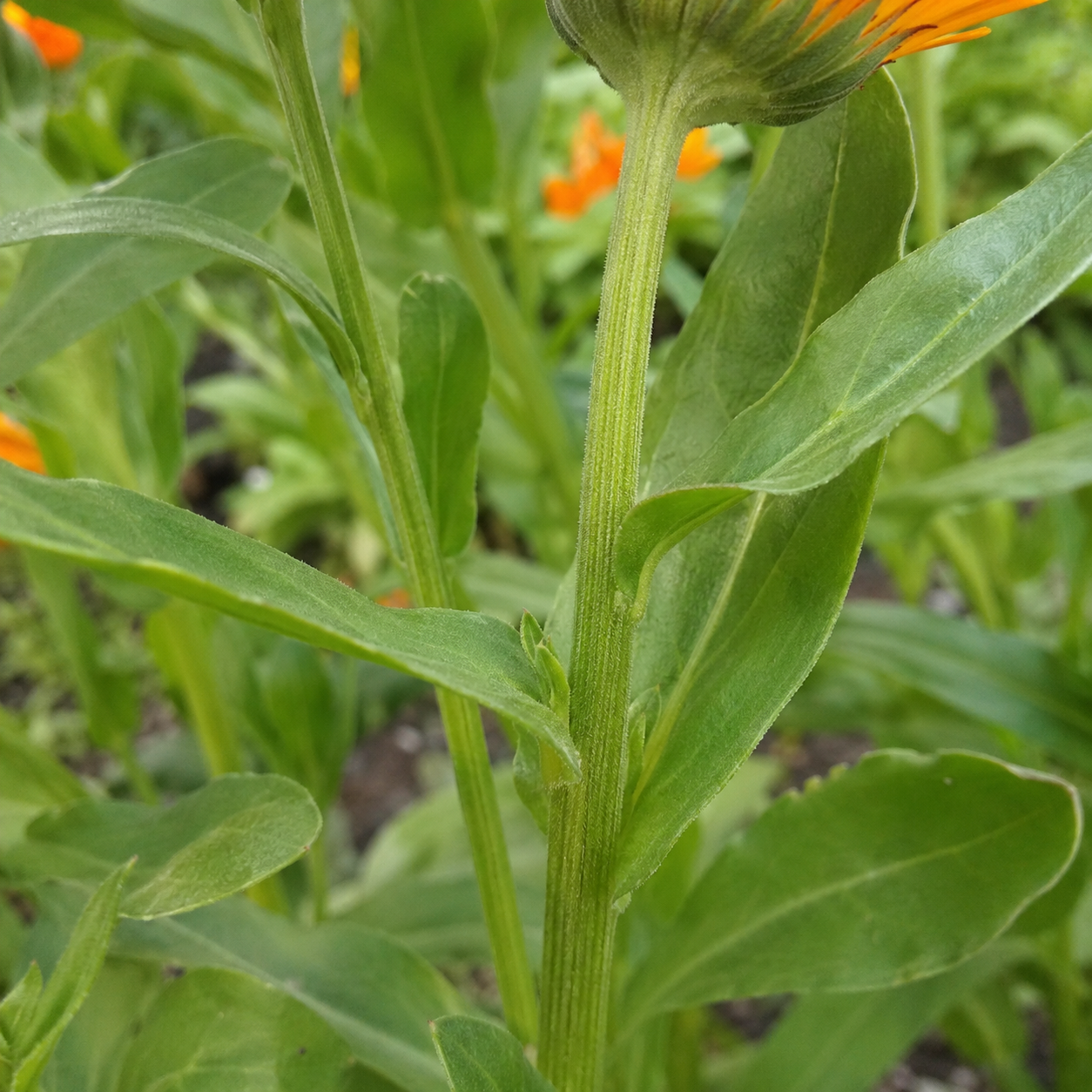
Stems are green, fleshy, and slightly angular or ridged. They branch easily and may feel a little sticky or hairy depending on the variety.
Flower (Top View): 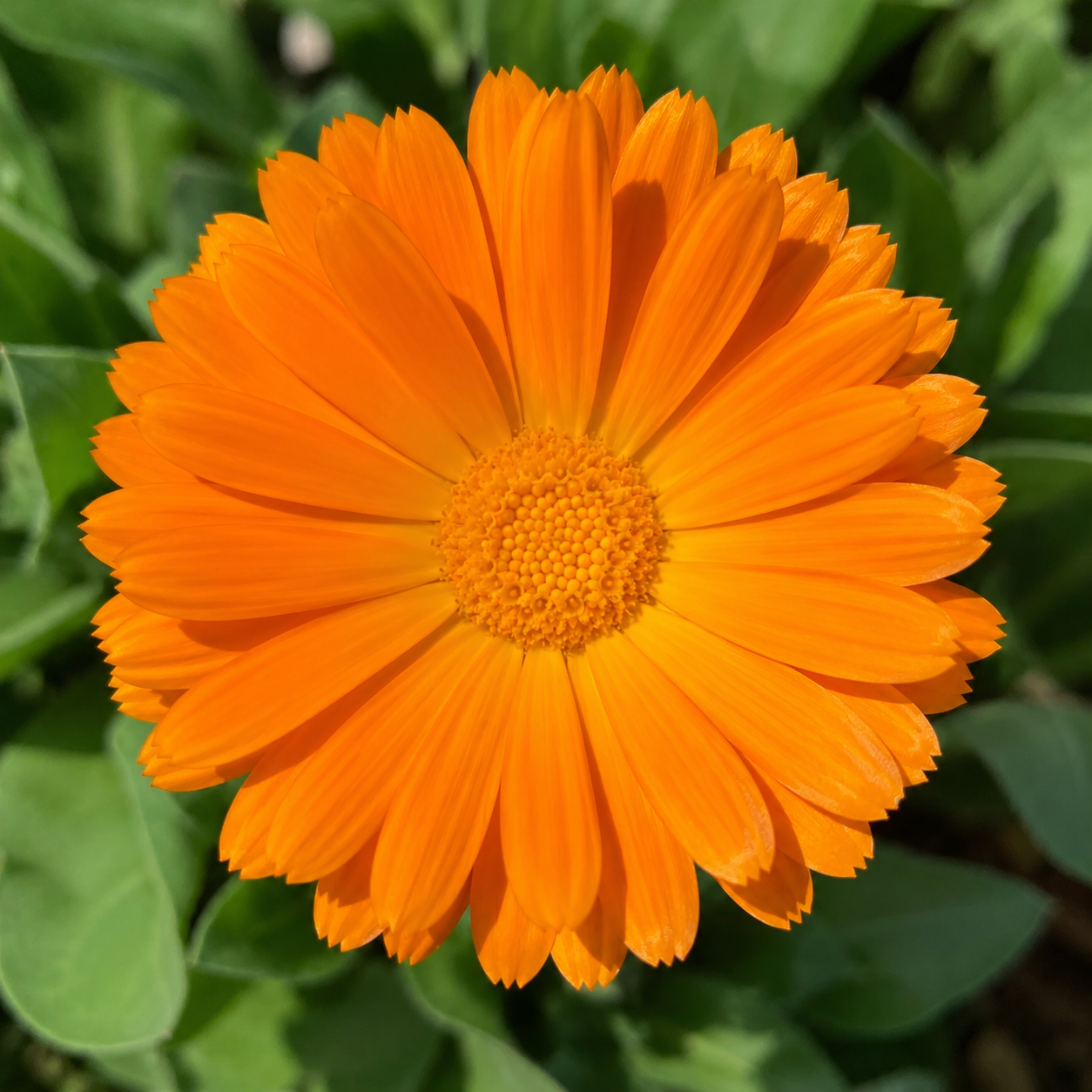
From above, calendula flowers look like single or double daisy-shaped blooms with many narrow petals arranged around a central disk. Colors range from pale yellow to rich orange.
Flower (Side View): 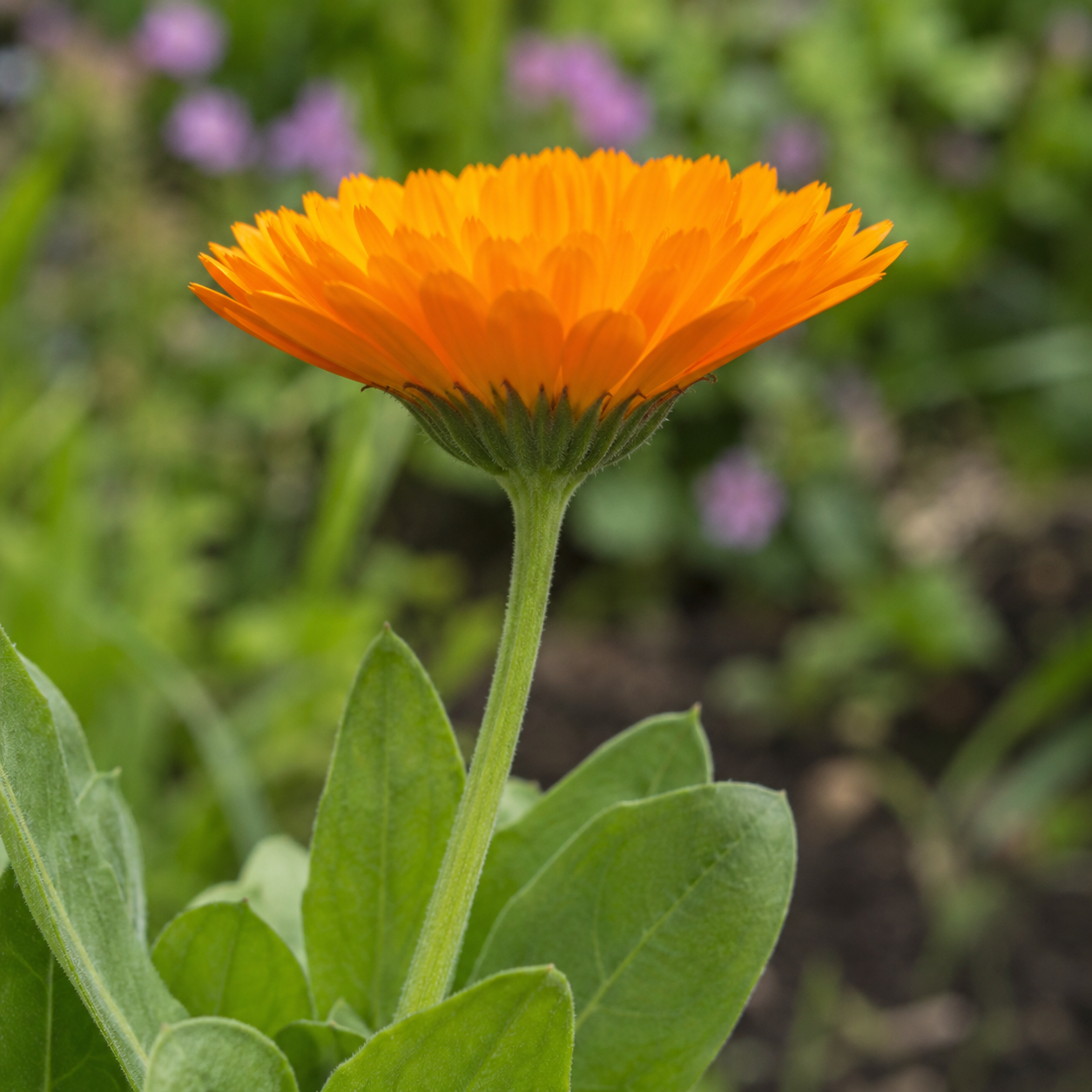
From the side, the bloom sits on a green flower base with rows of bracts underneath the petals. The flower head lifts clearly above the leaves on a long green stem.
Flower Base (bracts):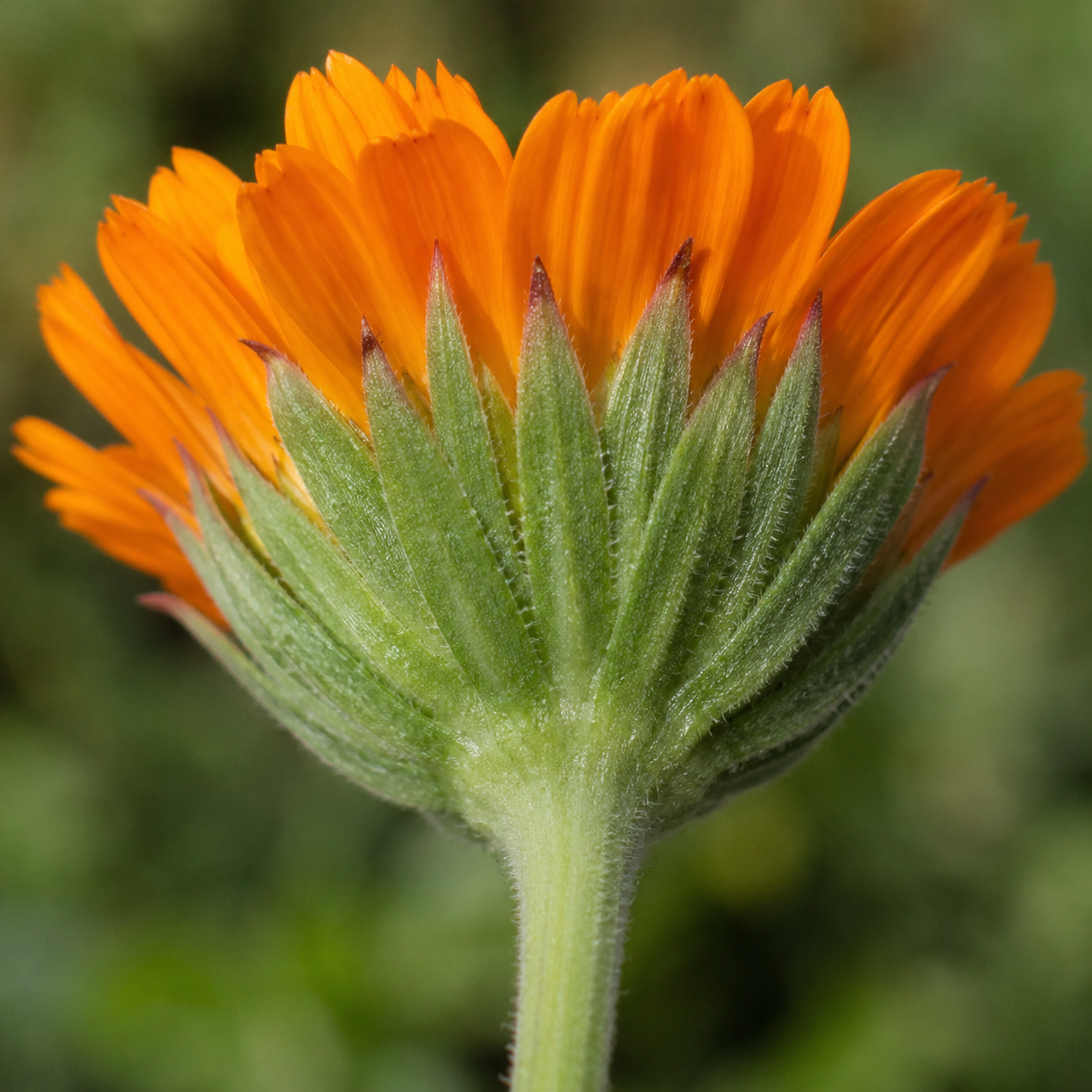
The flower base is green and layered with narrow bracts that cup the underside of the bloom.
Seed Head / Seeds: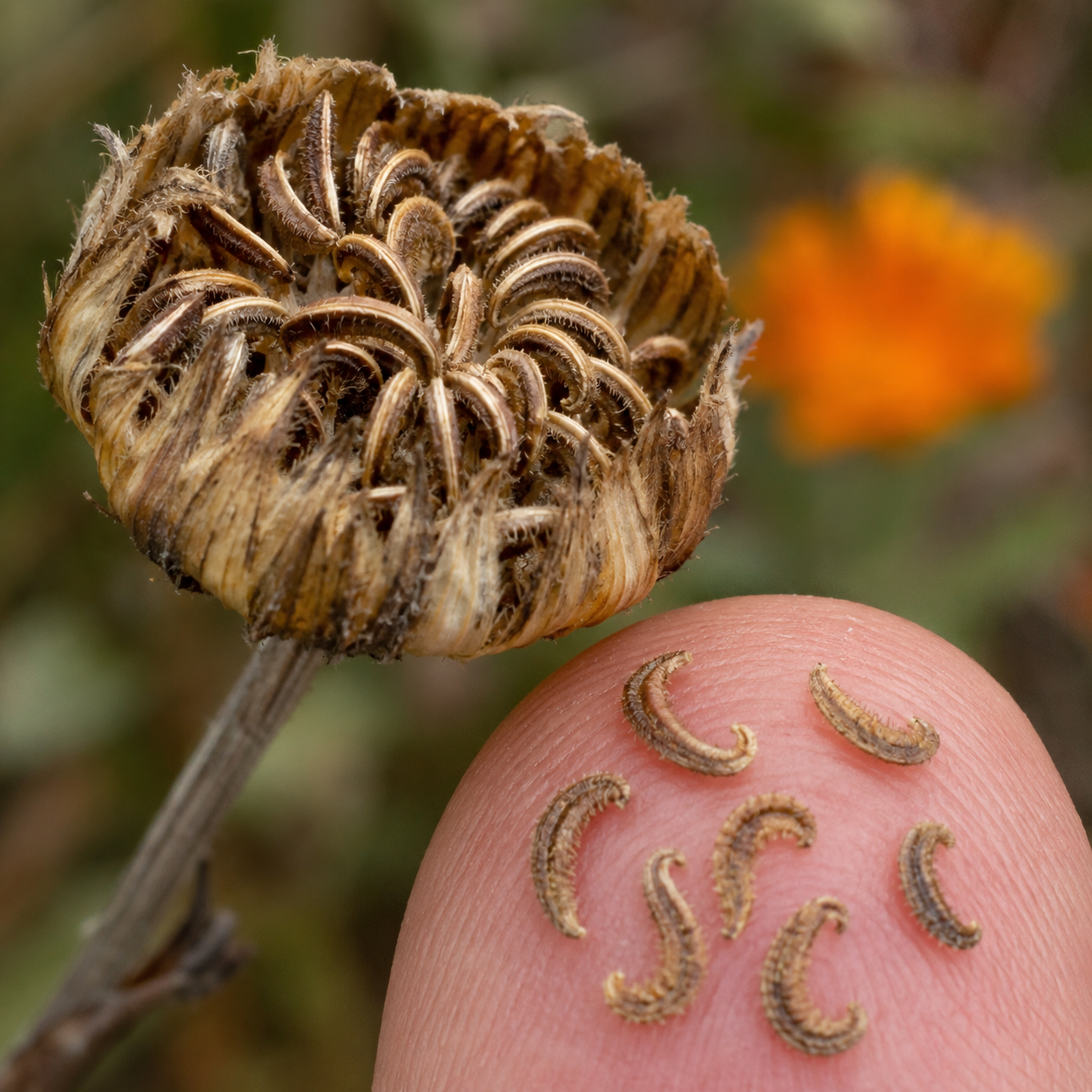
After blooming, calendula forms dry seed heads made of curved, hook-shaped, crescent-like seeds. The seeds are tan to brown and easy to save.
Root: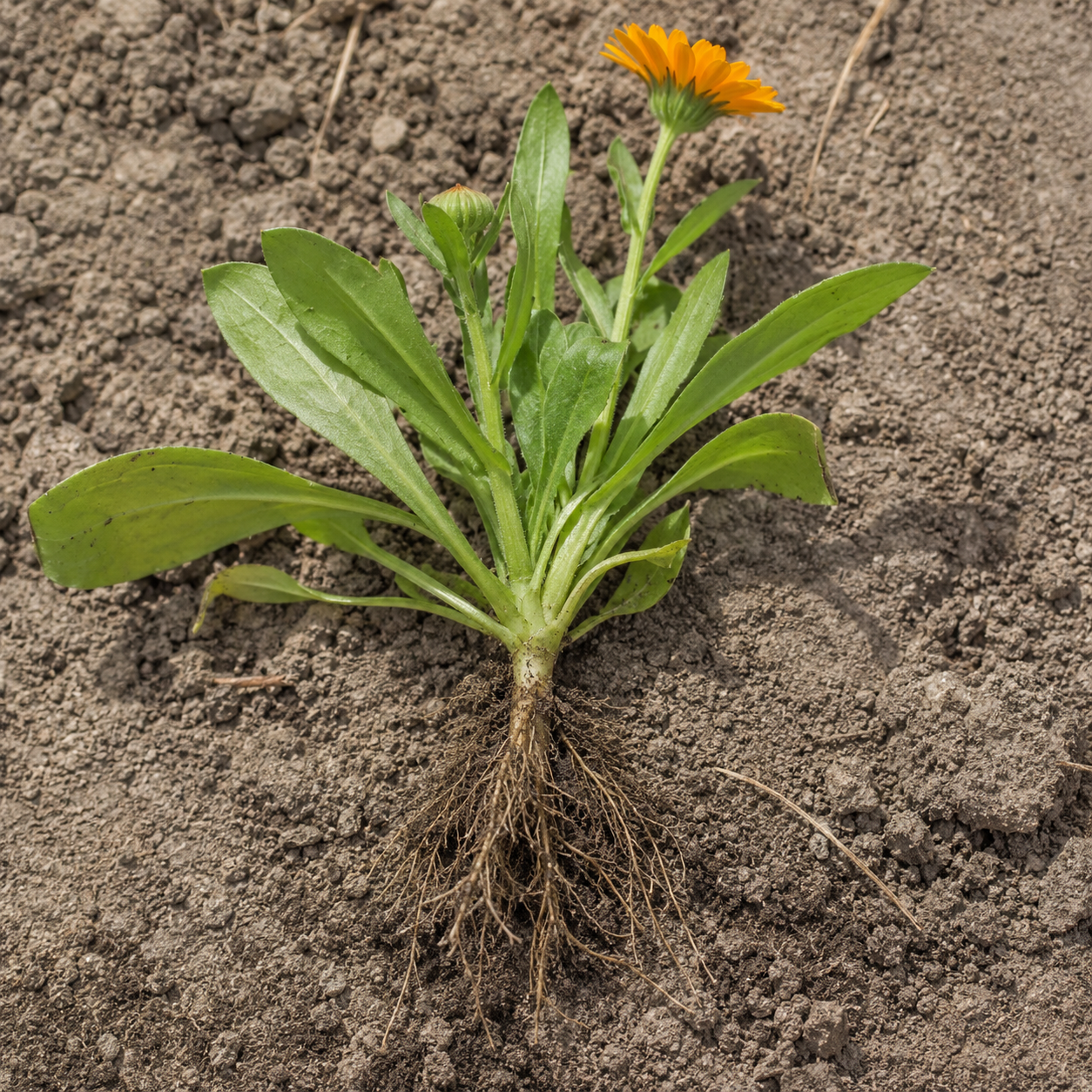
Calendula has a relatively modest fibrous root system with a small central root mass rather than a thick taproot.
| Growth Form: | Bushy, branching annual herb |
| Typical Size: | Usually 12 to 24 inches tall and 12 to 18 inches wide, depending on variety and growing conditions |
| Aroma/Smell: | Mildly resinous, green, and slightly earthy |
| Where it Commonly Grows: | Gardens, herb beds, cottage gardens, raised beds, containers, and sometimes old home sites where it has self-seeded |
| Common Lookalikes: | Calendula is often confused with ornamental marigolds (Tagetes species). True calendula has softer leaves, a different flower form, and is the herb used medicinally. Tagetes marigolds are useful plants too, but they are not the same herb. |
| Foraging Safety Note: | Only use calendula flowers from plants you positively identify as Calendula officinalis. Do not assume all orange or yellow daisy-like flowers are medicinal calendula. Never forage any plant unless you are completely certain of identification. Use multiple features, not just one. |
What It’s Used For
| Traditionally Used For: | – Minor cuts and scrapes – Dry or cracked skin – Chapped lips – Rashes and general skin irritation – Sun-stressed skin – Minor burns – Soothing inflamed tissue – Gentle lymphatic support – Mild digestive support in tea form – Mouth and throat rinses when used as a strong infusion |
How It Works:
| It Works By: | Calendula is valued because the flowers contain plant compounds that are soothing, moistening, and supportive to irritated tissue. It is especially known for helping calm and comfort skin. In topical preparations, calendula is commonly used to support the skin’s natural healing process. Internally, it is used more gently in teas and tinctures for mild digestive and tissue support. |
How to Use It
| Tea: | Use 1 to 2 teaspoons dried calendula petals or flowers per 8 ounces of hot water. Steep covered for 10 to 15 minutes. Drink as needed. |
| Decoction: | NA |
| Tincture: | Traditional adult use is commonly 2 to 4 mL up to 3 times daily, or according to the product directions. |
| Glycerite: | Use according to product directions. A common adult amount is 2 to 5 mL as needed. |
| Infused Oil: | One of calendula’s best uses. Infuse dried calendula flowers in a carrier oil and use externally for dry, irritated, or chapped skin. |
| Salve/Balm: | Apply to dry, rough, cracked, or irritated skin as needed. |
| Poultice: | Fresh petals may be lightly crushed and applied simply, but calendula is more commonly used as an infused oil or salve than as a true poultice. |
| Compress/Fomentation: | Make a strong tea or infusion, let it cool to warm, soak a clean cloth, and apply to the area. |
| Syrup: | NA |
| Oxymel: | NA |
| Powder: | NA |
| Capsule: | NA |
| Fresh Use: | Fresh petals may be used in simple skin preparations or added to salads for color, though dried flowers are usually preferred for medicinal preparations. |
Safety & Considerations
| Avoid If: | Avoid if allergic to plants in the Asteraceae family, such as ragweed, daisies, or chrysanthemums. Use caution with internal use during pregnancy unless guided by a qualified professional. |
| Possible Side Effects: | Possible allergic skin reaction, rash, or mild digestive upset in sensitive individuals. |
| Interactions with Pharmaceuticals, OTCs, and Other Herbs: | Use caution with sedative medications or other strongly relaxing herbs if taking calendula internally in larger amounts. Use caution if taking medications for serious medical conditions and check with a qualified healthcare provider. |
| General Safety Note: | Calendula is generally considered a gentle herb, especially for topical use, but always patch test new skin preparations if you are sensitive. Make sure you are using Calendula officinalis, not ornamental marigold species. |
Sourcing:
| Grow It: | How to Grow Calendula |
| Forage: | Usually found in gardens, homesteads, herb beds, and self-seeded garden patches rather than true wild foraging situations |
| Purchase: | Lowe Bridges Farm |
Additional Notes & Information:
Calendula is one of the most practical herbs for a beginner apothecary because it is easy to grow, easy to dry, and easy to turn into useful preparations. If you only make one infused oil for salves and skin care, calendula is one of the best choices. It is also a beautiful companion plant for the garden and keeps producing flowers if harvested often.