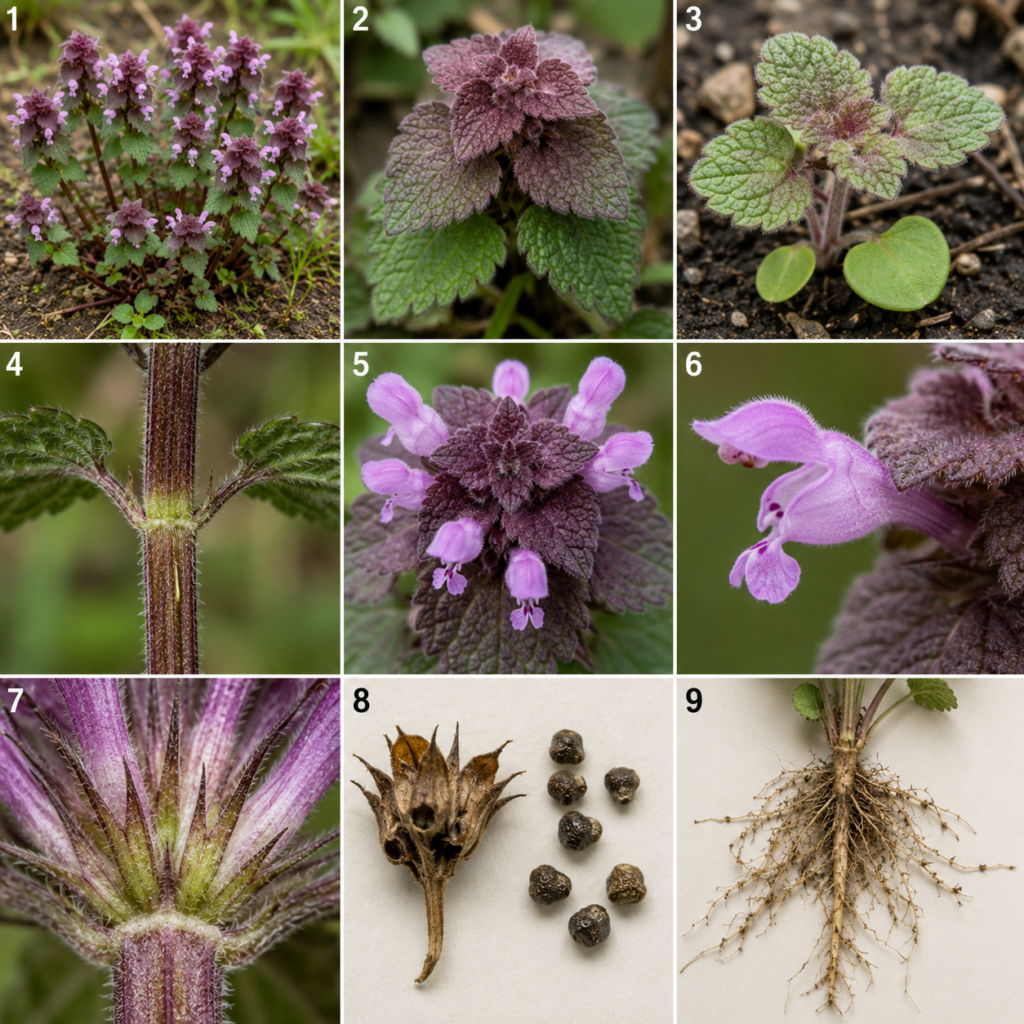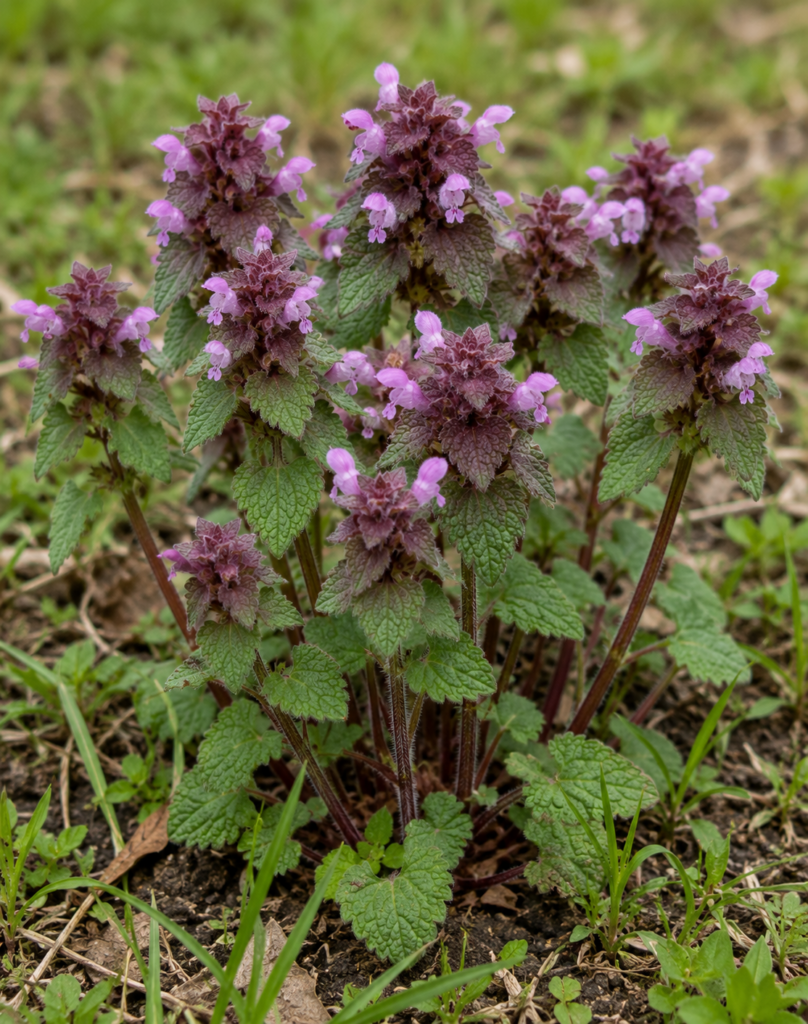
How to Grow Purple Deadnettle
General Information
| Botanical Name: | Lamium purpureum |
| Common Names: | Purple Deadnettle, Red Deadnettle, Purple Archangel |
| Plant Family: | Lamiaceae |
| Type: | Cool-season annual; medicinal, edible, pollinator-supporting herb |
| Our Favorite Varieties: | Common wild purple deadnettle |
Know Before You Grow
| Growing Zones: | Grows widely in Zones 4–9 |
| Frost Hardy: | Yes. Purple deadnettle is very cold hardy and often grows through winter. |
| Heat Tolerant: | No. It fades quickly when temperatures get hot. |
| Stratification: | Not usually needed if fall or winter sown. |
| Rows, Beds, Containers: | Best in naturalized areas, herb patches, pollinator areas, containers, and cool-season beds. |
Starting from Seed
| When: | Start in late summer or fall, or sow in very early spring. I |
| Soil: | Use light, well-draining seed-starting mix. |
| Depth: | Surface sow or barely cover with 1/16 inch of soil. |
| Water: | Keep lightly moist until germinated. |
| Germination: | Usually 10–21 days in cool conditions. |
| Up Pot: | Usually not needed unless started in trays. |
| Light: | Bright light; 10–12 hours under grow lights if started indoors. |
| Soil Temperature: | Best around 50–65°F. |
| Heat Mat: | This is a cool-season plant. |
| Harden Off: | Harden off 5–7 days before transplanting outdoors. |
Row, Bed, Container Prep
| Soil: | Average, loose, well-draining soil. It tolerates poor soil better than rich, wet soil. |
| pH: | 6.0–7.5 |
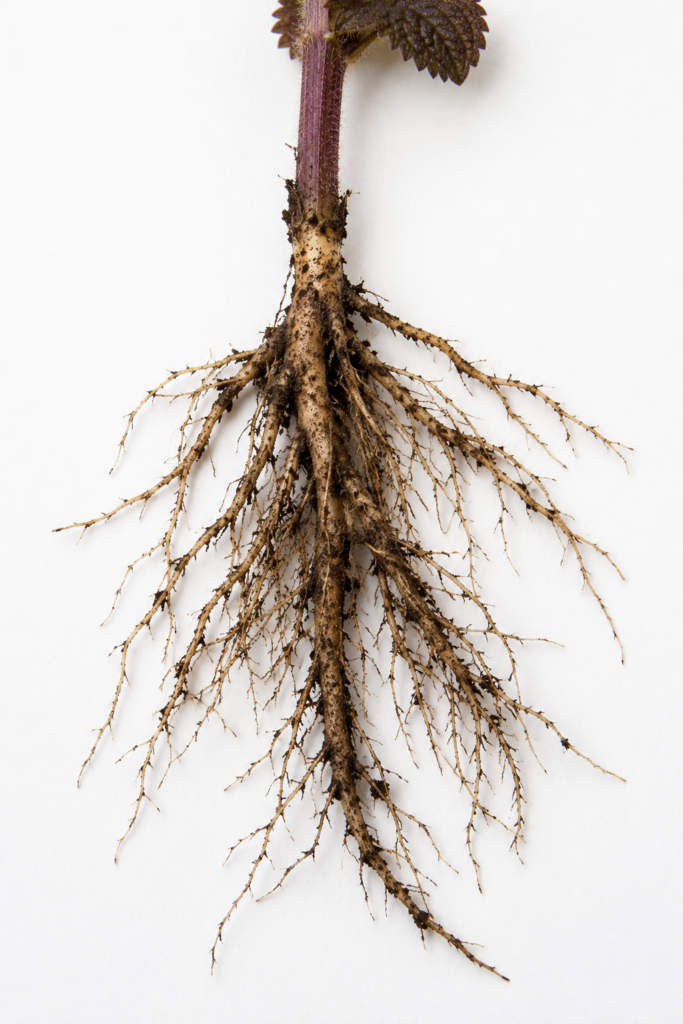
| Soil Depth or Pot Size: | Needs 4–6 inches of soil depth. Use a shallow container at least 8 inches wide. |
| Trellis: | Not needed. |
| Fertilizer/Feed: | Not needed. Rich soil causes soft, leggy growth. |
| Compost: | A light amount is fine, but do not over-enrich. |
Transplanting/Up Potting
| When: | Transplant in fall or very early spring while weather is cool. |
| How: | Move small seedlings gently with roots intact. |
| Depth: | Plant at the same depth it was growing. |
| Spacing: | Space 6–8 inches apart. |
| Water: | Water in after transplanting, then keep lightly moist until established. |
| Mulch: | Usually not needed. A very light mulch is fine if soil dries too fast. |
Direct Sowing
| When: | Direct sow in fall, winter, or very early spring. |
| Depth: | Surface sow or barely cover. |
| Spacing: | Thin to 6–8 inches apart. |
| Water: | Keep lightly moist until established. |
| Light: | Full sun in cool weather; part shade in warmer areas. |
| # in Sq. Ft. Planting: | 4 plants per square foot |
Growing Care
| Fertilizer/Feed: | Not needed. |
| Days to Maturity: | Usually 45–70 days in cool weather. |
| Water: | Water when soil begins to dry, but avoid soggy soil. |
| Pruning/Harvesting: | Snip young tops and leaves as needed. Harvest before hot weather causes decline. |
| Mulching: | Not usually needed. |
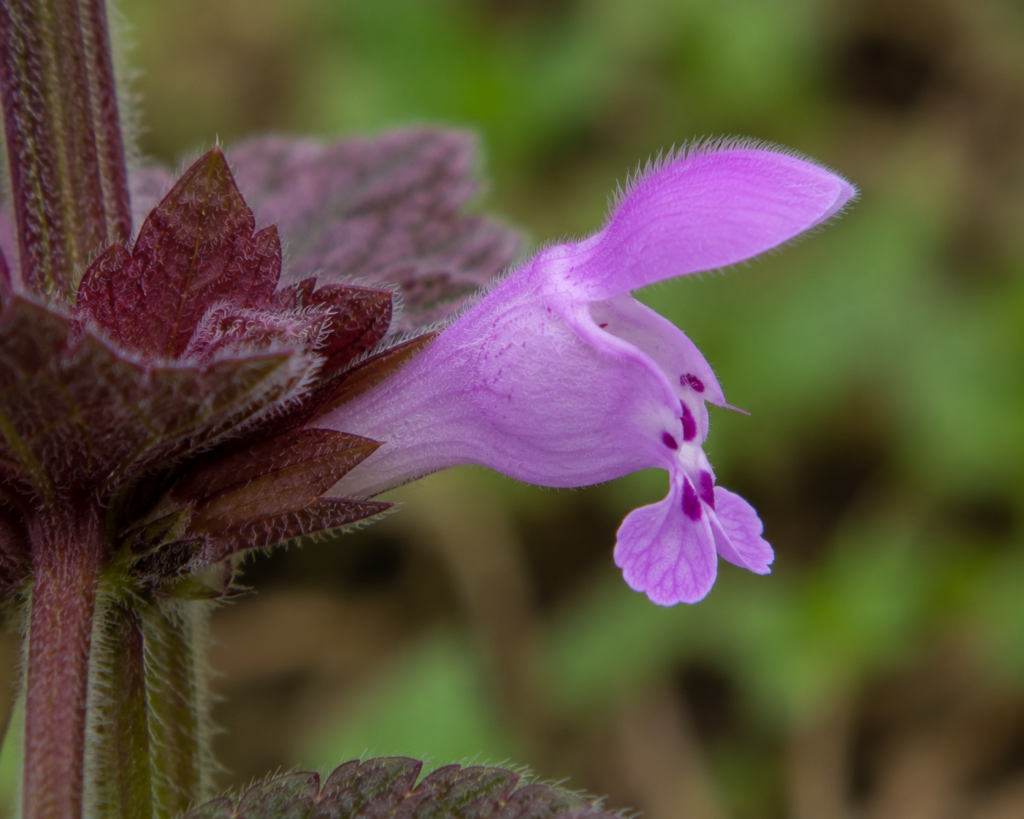
| Pollination: | Bees and early pollinators visit the flowers. |
Companions & Antagonists
| Plant Family: | Antagonists: |
Cool-season greens, violets, chickweed, henbit, calendula, yarrow, and early spring flowers. |
Heat-loving plants that need hot soil and full summer sun. |
Attracts & Repels
| Attracts: | Repels: |
Bees, early pollinators, and beneficial insects. |
Nothing |
Pests & Disease
| Pests: | Disease: |
occasional aphids or slugs. |
Root rot or mildew in soggy, crowded conditions. |
Seed Saving
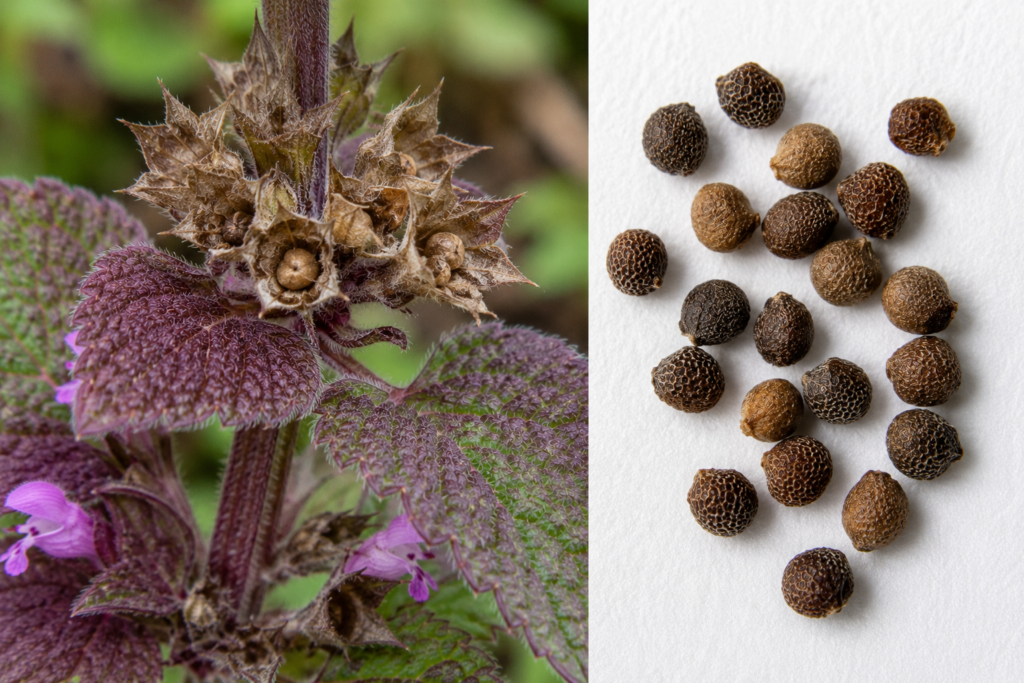
| When: | Save seeds after flowers fade and seed heads dry. |
| Method: | Place dried tops in a paper bag and shake to collect seed. |
Harvest Time
| When: | Harvest in cool weather while leaves are fresh and healthy. |
| How: | Snip tender tops, leaves, and flowers with clean scissors. |
| What: | Leaves, tender stems, and flowers. |
| Storing: | Use fresh or dry completely before storage. |
| Preservation Methods: | Air drying, dehydrating, tincture, infused oil, salve, or tea blend. |
Medicinal Uses:
| Traditionally Used for: | Seasonal allergies, inflammation, minor wounds, skin irritation, and general spring tonic use. |
| Forms: | Tea, tincture, infused oil, salve, poultice, compress, dried herb. |
| Dosage or Application: | Traditionally used as tea or tincture, and externally as poultice, compress, infused oil, or salve. Use moderate amounts and avoid relying on it as a substitute for medical care. |
| NOTICE: | This information is based on historical/traditional fact. It is for educational purposes only. Lowe Bridges Farm will not be held liable for your use of this information. Your use of this information and the results thereof is your responsibility, and yours alone. |
Culinary Uses:
| Flavor Profile: | Mild, earthy, slightly grassy, and green. |
| Best Used In: | Fresh salads, soups, sautés, pestos, egg dishes, and wild green blends. |
| Forms: | Fresh leaves, tender tops, flowers, dried herb. |
As an Aromatic:
| Used for: | Light fresh green scent, mostly as a fresh plant. |
| How: | Grown fresh or dried in small amounts for herb blends. |
Troubleshooting
| Common Issues | If plants disappear in hot weather, that is normal. Purple deadnettle is a cool-season annual and naturally dies back when temperatures rise. If plants are leggy, they need more light or less fertilizer. If leaves yellow or rot, improve drainage and reduce watering. |