
Homestead Backup Systems
Emergency Plans, Supplies, Redundancy, and Staying Functional When Things Go Wrong
A homestead is built on systems. Water, power, food, shelter, tools, animals, gardens, access, communication, and daily routines all work together to keep the household running. When everything works, it is easy to forget how connected those systems are. But when one thing fails, the whole homestead can feel unstable.
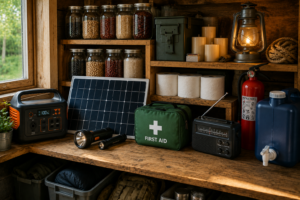
Backup and emergency systems are what keep a problem from becoming a crisis.
This does not mean living in fear or turning the homestead into a bunker. It means looking honestly at what your household depends on and asking, “What happens if this stops working?”
What happens if:
- The power goes out?
- The well pump fails?
- The driveway washes out?
- Someone gets sick or injured?
- Animals escape?
- A storm damages a roof, fence, or tree?
- You cannot leave the property for several days?
A good backup system gives you options. It gives you time to think, time to respond, and time to fix the problem without everything falling apart at once.
Start With the Most Important Systems
Every homestead has systems that matter more than others. The first backup plans should protect life, health, water, food, safety, and animals.
The most important systems usually include:
- Drinking water
- Power or backup power
- Food storage
- Cooking ability
- Heating or cooling
- Medical needs
- Animal feed and water
- Communication
- Emergency lighting
- Access in and out of the property
- Basic tools and repair supplies
A broken garden trellis is inconvenient. No drinking water is urgent. A messy workshop is frustrating. No way to keep medication cold may be serious. A gate latch that fails might be annoying with one dog, but dangerous with livestock near a road.
Not every problem has the same weight. Start with the systems that protect people and animals first.
Redundancy Is the Heart of Preparedness
Redundancy simply means having more than one way to meet an important need.
One water source is useful. Two water options are better. Grid power is useful. Backup power adds security. A kitchen stove is useful. A safe backup cooking method gives options. A main driveway is useful. A secondary access route may matter in an emergency.
The goal is not to duplicate every system perfectly. The goal is to avoid having one failure shut down the whole household.
Good redundancy might look like this:
- A well plus stored drinking water
- Electric lights plus lanterns and headlamps
- Freezer storage plus canned food
- Electric cooking plus propane or outdoor cooking
- Phone service plus weather radio
- Main animal pen plus temporary holding pen
- Primary tools plus a basic emergency repair kit
- One vehicle plus a plan if that vehicle is unavailable
Redundancy is what gives the homestead resilience.
Water Backup Comes First
Water should be near the top of every emergency plan. People, animals, gardens, cleaning, cooking, and basic hygiene all depend on it.
If your water comes from a well, then power and water are connected. A power outage may mean no pump. If your water comes from a public supply, storms, freezes, repairs, or contamination events may still interrupt service.
A water backup plan may include:
- Stored drinking water
- Rainwater catchment
- Water filters
- Large storage tanks
- A hand pump, where possible
- Generator support for the well
- Pond water for non-drinking uses
- A plan for hauling water
Do not wait until the water is off to decide what to do.
At minimum, every homestead should have some clean drinking water stored and a way to provide water for animals during a short disruption. Larger homesteads, especially those with livestock, need a more serious plan.
Power Backup Protects Food, Water, and Communication
Backup power is not only about comfort. It may protect freezers, water pumps, medical equipment, fans, heaters, communication devices, lights, and security systems.
Power backup can be built in layers.
A small layer may include:
- Battery banks
- Rechargeable lanterns
- Headlamps
- A phone-charging plan
A medium layer may include:
- Portable power station
- Generator
A larger layer may include:
- Transfer switch
- Whole-house generator
- Solar with battery storage
- Dedicated circuits for critical systems
The right backup power system depends on what must keep running. If the homestead has freezers full of meat, a well pump, elder care needs, medical equipment, or livestock water systems, backup power deserves serious planning.
Fuel for generators must also be stored safely and rotated. A generator without fuel is just a heavy noise machine waiting to disappoint you.
Food Backup Is More Than Emergency Buckets
A homestead food backup should support real meals. It should include foods your household eats, knows how to prepare, and can use during normal life.
Food backup may include:
- Pantry staples
- Home-canned jars
- Freezer meals
- Dehydrated foods
- Shelf-stable ingredients
- Baking supplies
- Canned meats
- Soups
- Beans
- Rice
- Pasta
- Oats
- Broth
- Spices
- Comfort foods
Emergency food should be rotated. It should not sit forgotten until it expires. A good pantry works during everyday weeks and difficult weeks.
Also think about how food will be cooked if power is out. A pantry full of dry beans is useful, but not if there is no water, no fuel, and no way to cook them. Food storage and cooking backup should be planned together.
Medical and Caregiving Needs Matter
Every household has different health needs. Some are simple. Some are not.
A good emergency system should include:
- Basic first aid supplies
- Over-the-counter medicines used by the household
- Prescription medication planning, where possible
- Medical equipment needs
- Backup power for necessary devices
- Printed medical information
- Emergency contacts
- A plan for people who need extra care
For households with elders, children, disabilities, chronic illness, or caregiving responsibilities, this part matters even more. Emergencies are harder when someone depends on routine, medication, mobility help, temperature control, or medical equipment.
Keep important information printed, not only stored on a phone.
Include:
- Medication lists
- Doctor contacts
- Allergies
- Insurance information
- Emergency contacts
- Basic care notes, if needed
A stressful moment is not the best time to rely on memory.
Animal Emergency Plans
Animals need their own backup systems.
Livestock, poultry, rabbits, working dogs, barn cats, and pets all need food, water, shelter, containment, and care during disruptions. If the weather turns bad, fences fail, feed runs low, or someone cannot do chores, the animal plan matters.
Animal backup systems may include:
- Extra feed
- Backup water containers
- Spare buckets
- Temporary fencing
- Extra bedding
- First aid supplies
- Transport crates
- Halters or leashes
- Secure night housing
- Predator protection
- Quarantine or holding area
Each animal group should have a basic emergency plan.
Ask:
- How much feed is on hand?
- How will water be provided if normal water stops?
- Where can animals be moved if a pen is damaged?
- What supplies are needed for sickness or injury?
- Who can help if the primary caretaker is unavailable?
Animals do not pause their needs because the rest of the homestead is having a hard day.
Communication Backup
Communication is easy to take for granted. During an emergency, information can matter as much as supplies.
A communication backup may include:
- Phone chargers
- Battery banks
- Weather radio
- Printed phone numbers
- Local emergency contacts
- Family contacts
- Neighbor contacts
- Utility company numbers
- Veterinarian information
- Repair service numbers
If internet service is unreliable, do not keep all important information online. Print what matters. Keep it in a binder, folder, or clearly marked household location.
A basic written contact list can save time during stress, especially if someone else needs to step in and help.
Emergency Lighting
Lighting is one of the easiest systems to improve.
Every homestead should have dependable backup lighting. Flashlights are helpful, but headlamps are often better for chores because they leave both hands free. Lanterns are useful for rooms, barns, porches, and work areas. Solar lights may help outdoors. Rechargeable lights are useful if they are kept charged.
Keep lights where they are needed:
- Kitchen
- Bedroom
- Bathroom
- Entryway
- Barn or animal area
- Workshop
- Pantry
- Near the electrical panel
- Vehicle
- Storm shelter or safe room, if applicable
Do not store every flashlight in one mystery drawer. In an outage, you need light before you can search for light.
Repair and Temporary Fix Supplies
Many emergencies are really repair problems.
A storm takes down a branch. A gate latch breaks. A pipe leaks. A tarp is needed. A coop roof lifts. A hose splits. A fence panel comes loose. A window breaks. An animal damages a pen. Something needs to be tied, patched, covered, clamped, or held together until a proper repair can happen.
A basic emergency repair kit may include:
- Tarps
- Rope
- Zip ties
- Duct tape
- Hose repair parts
- Screws and nails
- Hammer
- Pliers
- Utility knife
- Staple gun
- Wire
- Gloves
- Flashlight or headlamp
- Basic plumbing parts
- Extra gate latch
- Fence clips or staples
- Extension cords
- Plastic sheeting
- Buckets
The exact supplies depend on the homestead, but the principle is the same: keep basic repair supplies grouped and ready.
Temporary fixes are not failures. They are what keep things stable until the real repair can be made.
Fire, Storm, and Weather Planning
Every homestead should consider local risks. In one area, the biggest concern may be tornadoes. In another, wildfire. In another, hurricanes, ice storms, flooding, heat waves, drought, or winter power outages.
Emergency planning should match the property, not a generic checklist.
Storm planning may include:
- Safe shelter areas
- Tree maintenance
- Roof checks
- Drainage work
- Generator readiness
- Animal shelter prep
- Weather alerts
- Securing loose items
Fire planning may include:
- Cleared areas around buildings
- Safe fuel storage
- Fire extinguishers
- Smoke detectors
- Brush management
- Clear access for emergency vehicles
Heat planning may include:
- Shade
- Fans
- Water storage
- Cooling areas
- Animal heat-stress prevention
Cold planning may include:
- Backup heat
- Pipe protection
- Firewood
- Animal bedding
- Water thawing plans
The best time to prepare for weather is before the season arrives.
Written Plans Help Other People Help You
A homestead often depends on the knowledge of one or two people. That can become a problem if those people are sick, injured, away, or overwhelmed.
Write down the important things.
Questions to answer include:
- Where is the water shutoff?
- Where is the electrical panel?
- Which breaker controls the well?
- How do you start the generator?
- Where is animal feed stored?
- How much feed does each animal group get?
- Where are medications?
- Who should be called in an emergency?
- Where are spare keys?
- Where are flashlights, first aid supplies, and repair supplies?
A written emergency binder or household notebook can make the difference between help being useful and help needing constant direction.
The goal is not to make a complicated manual. The goal is to make the homestead understandable when stress is high.
Practice Before You Need It
A plan that has never been tested may not work.
Start the generator before storm season. Check lanterns. Test batteries. Walk the property after heavy rain. Open and close emergency gates. Make sure hoses reach. Use the backup cooking method once before depending on it. Check that stored water is still good. Review animal feed amounts. Make sure everyone knows where important supplies are.
Practice reveals weak spots while there is still time to fix them.
A backup system is only useful if it works when needed.
Build One Layer at a Time
Backup systems can feel overwhelming if you try to solve everything at once. Start with the most important needs.
First, focus on:
- Water
- Light
- Communication
- Food
- Basic first aid
Next, add:
- Cooking backup
- Animal care backup
- Freezer protection
- Repair supplies
Then work on:
- Generator setup
- Fuel storage
- Heating or cooling backup
- Written plans
Later, consider:
- Larger storage systems
- Solar
- Improved access
- Expanded animal emergency areas
- Deeper redundancy
Every layer makes the homestead stronger.
Do not let perfection stop progress. A few gallons of stored water are better than none. One working lantern is better than searching in the dark. A printed contact list is better than guessing. A small repair kit is better than having no way to patch a problem.
Preparedness Is Peace of Mind
Backup and emergency systems are not about panic. They are about steadiness.
A homestead will always have problems. Weather changes. Power fails. Animals escape. Tools break. People get sick. Roads get muddy. Freezers need protection. Water systems need backup. Life happens.
The point of emergency infrastructure is to keep the household functioning through those moments.
A good backup plan gives you options. It protects the people, animals, food, water, and systems that matter most. It reduces fear because you already know what to do next.
Homesteading is not only about building a life when everything goes well. It is also about building enough resilience to keep going when something does not.